

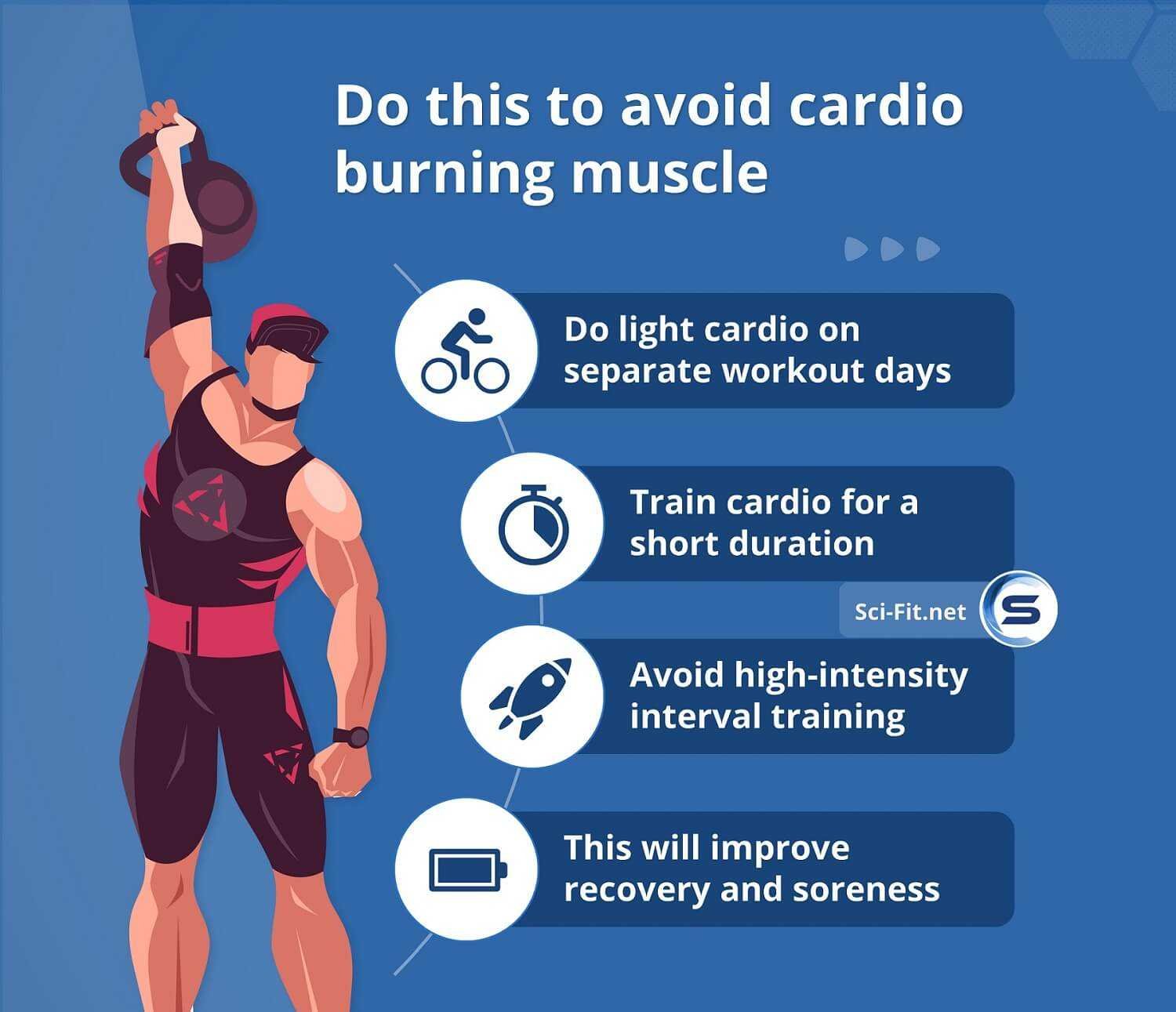
Absolutely, you can do cardio on rest days, but it depends on your goals and how your body feels. Light, low-intensity cardio can boost recovery, improve circulation, and keep you active without overtaxing your muscles. However, if you’re deep into intense training, giving yourself full rest may be better to prevent burnout and injury.
Engaging in light cardio on rest days can be beneficial, especially if it helps you stay active and motivated without compromising your recovery. The key is to listen to your body and tailor your workouts accordingly. Rest days are crucial for muscle repair and overall progress, so moderate activity is fine as long as it serves your fitness journey without overdoing it.
Jumping into cardio on your rest days might seem tempting, especially if you want to maximize your gym time, but it’s important to strike a balance. Rest days are essential for letting your muscles recover and grow stronger. Doing gentle cardio, such as walking or cycling, can be a great way to stay active without interfering with recovery. However, pushing yourself too hard can hinder progress, so consider your intensity and how your body feels. Ultimately, incorporating some light activity on rest days can be beneficial, but listen carefully to your body’s signals to avoid overtraining.

Should I Do Cardio on Rest Days? A Complete Guide
Understanding Rest Days and Their Purpose
Rest days are essential parts of any workout routine. They allow your body to recover from intense activity and help prevent injuries. During rest days, your muscles repair, and your energy stores are replenished, making it easier to stay active in the long run.
Some people wonder if doing light cardio on rest days might interfere with recovery. The answer depends on your fitness goals, how intense your workouts are, and how your body responds to activity. Let’s explore whether cardio on rest days fits into your fitness plan.
What Is Cardio and Why Is It Important?
Cardio, short for cardiovascular exercise, includes activities that increase your heart rate. Examples are walking, jogging, cycling, swimming, and dancing. It helps improve endurance, burn calories, and promote heart health.
Including cardio in your routine can aid weight loss, boost mood, and increase energy levels. But it’s important to find the right balance to avoid overtraining, especially on days meant for rest.
Benefits of Doing Cardio on Rest Days
Some people find that light cardio on rest days offers advantages like:
- Improving circulation and promoting faster recovery by increasing blood flow.
- Helping to reduce muscle stiffness and soreness after tough workouts.
- Maintaining a steady calorie burn which can support weight management goals.
- Enhancing overall cardiovascular health without taxing muscles heavily.
Adding light activity can keep you active without risking the fatigue or injury that might come from more intense workouts.
Risks of Doing Cardio on Rest Days
While light cardio can have benefits, doing too much or high-intensity cardio on rest days can have drawbacks:
- Potentially delaying muscle recovery, especially if your body needs more rest after intense training.
- Increasing the risk of overtraining symptoms like fatigue, irritability, or decreased performance.
- Reducing the quality of your next workout session due to incomplete recovery.
It’s crucial to listen to your body and avoid pushing yourself too hard on days meant for rest.
When Is It Suitable to Do Cardio on Rest Days?
Light, low-impact cardio is generally acceptable on rest days if your body responds well. Ideal activities include:
- Walking at a comfortable pace
- Gentle cycling
- Swimming at a relaxed pace
- Yoga or stretching routines that keep you moving without strain
If these activities help you feel better and do not cause fatigue or soreness, they can be a good addition.
How to Incorporate Cardio Without Overtraining
To include cardio on rest days safely, consider these tips:
- Keep intensity low and duration short, around 20 to 30 minutes.
- Focus on activities you enjoy to make it feel like a relaxing part of your routine.
- Pay attention to how your body reacts after exercise to avoid overexertion.
- Stay hydrated and get plenty of sleep to support recovery.
This approach allows you to stay active while giving your muscles adequate time to recover.
Balancing Cardio and Strength Training
Balancing cardio with strength training is key to preventing burnout. For instance:
| Day | Workout Type | Focus |
|---|---|---|
| Monday | Strength training | Muscle building |
| Tuesday | Light cardio | Active recovery |
| Wednesday | Strength training | Muscle building |
| Thursday | Rest or light activity | Recovery and flexibility |
| Friday | Intense cardio or HIIT | Cardio endurance |
| Saturday | Strength training | Muscle building |
| Sunday | Light activity or rest | Recovery |
This schedule shows that cardio on rest days can be integrated carefully to support overall fitness goals.
Listening to Your Body
Your body’s signals are the best guide. If you feel sore, tired, or unmotivated, it might be better to skip cardio on rest days. Conversely, if you feel energetic, a light session could enhance your recovery process.
Monitor your energy levels, soreness, and mental state. Adjust your activities accordingly to avoid overtraining or burnout.
Related Topics and Tips
In addition to considering whether to do cardio on rest days, keep these tips in mind:
- Prioritize sleep and nutrition for optimal recovery.
- Mix different types of activities to prevent boredom and burnout.
- Use active recovery methods like stretching, foam rolling, or yoga.
- Set realistic goals for your fitness journey to stay motivated and healthy.
Exploring these areas can help you develop a balanced routine that aligns with your health and fitness priorities.
Deciding whether to do cardio on rest days depends on your individual goals, how your body feels, and your overall training plan. Light, low-impact activities are generally safe and can even support recovery. However, pushing too hard on these days might hinder your progress. Always listen to your body and adjust activity levels accordingly. Making smart choices about rest and active recovery keeps your routine enjoyable and sustainable, helping you achieve long-term fitness success.
Should You Do Cardio on Rest Days?
Frequently Asked Questions
Is it beneficial to include light cardio on my rest days?
Including light cardio on rest days can promote blood flow and enhance recovery without overexerting your muscles. Activities like walking, gentle cycling, or stretching help reduce muscle stiffness and support overall movement. However, it’s important not to push yourself too hard, as rest days are meant for recovery and preparing your body for the next workout session.
Can doing cardio on rest days interfere with muscle recovery?
Engaging in moderate cardio typically does not interfere with muscle recovery, especially if you keep intensity low. It can even aid recovery by increasing circulation and helping muscles eliminate waste products. Avoid high-intensity cardio or strenuous activities that might tire your muscles excessively, which could slow down the healing process.
Should I adjust my cardio routine if I feel fatigued on rest days?
If you feel particularly tired or sore, it’s wise to listen to your body and scale back or skip cardio on those days. Rest is essential for muscle repair and overall performance. Performing intense or lengthy cardio sessions when fatigued may lead to overtraining or injury, so prioritize gentle movement or complete rest when needed.
Final Thoughts
Doing cardio on rest days depends on your goals and recovery needs. Some athletes use active recovery to keep their muscles moving, while others rest completely to allow full recovery.
If your body feels tired, avoid intense cardio to prevent overtraining. Light activities like walking or gentle yoga can help maintain mobility without stressing your muscles.
Ultimately, should I do cardio on rest days? Listen to your body and balance activity with rest to prevent burnout and promote progress.
As an Amazon Associate, We earn from qualifying purchases. When you purchase a product through Amazon links on pulsefitguide.com, we may earn a small commission at no extra cost to you. This helps support the site and keep our content free.