

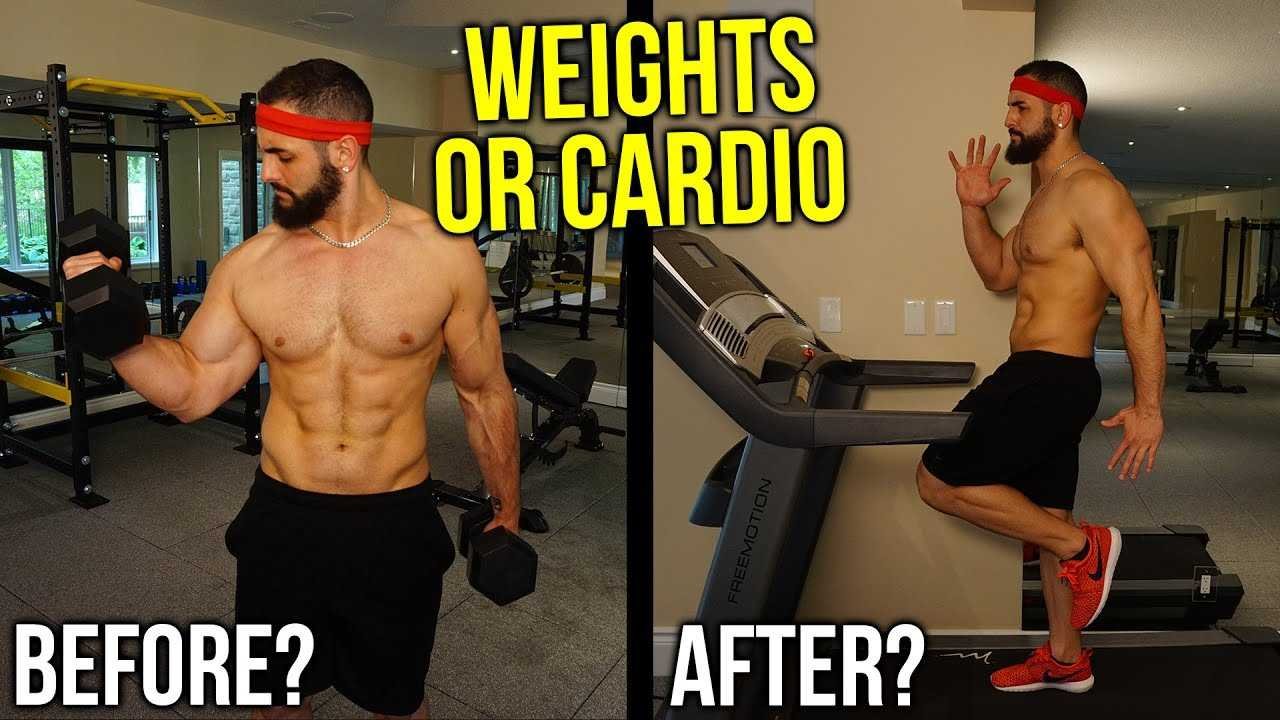
Do you find yourself stuck wondering whether to hit the treadmill before or after lifting weights? The timing of your cardio can actually make a difference in how effective your workout is and how you feel afterward. The quick answer is: if you’re aiming to build strength and muscle, do your weight training first and cardio later; if weight loss is your goal, doing cardio before might help burn more fat earlier.
Deciding whether to do cardio before or after your workout depends on your fitness goals and how your body responds. Incorporating cardio at the right time can boost your endurance, improve recovery, or maximize fat burning. Keep reading to discover which approach best fits your goals and how to optimize your workout routine for maximum results.

Should I Do Cardio Before or After Workout?
Understanding the Purpose of Cardio
Cardio exercises are designed to increase your heart rate and improve your cardiovascular health. They help burn calories, boost endurance, and prepare your body for physical activity. Knowing what you want to achieve can help decide when to do cardio during your workout session.
Benefits of Doing Cardio Before Workout
Performing cardio before strength training can serve as a warm-up. It increases blood flow, loosens muscles, and raises your body temperature. This can make your muscles more flexible and reduce the risk of injury during your workout.
Warm-up and Injury Prevention
A short session of light cardio, like brisk walking or cycling, can prepare your muscles for more intense exercises. This pre-workout activity helps avoid strains and sprains by gradually increasing your heart rate and blood circulation.
Boost in Mental Focus
Starting with cardio can clear your mind and increase your focus. It sets a positive tone, making it easier to stay motivated throughout your strength training session.
Drawbacks of Doing Cardio Before Workout
While warming up is helpful, doing too much cardio initially can tire your muscles. This may reduce your strength and energy levels for lifting weights or performing high-intensity exercises.
Reduced Strength Performance
Long or intense cardio can deplete glycogen stores, leaving less energy for strength activities. This can result in lower performance and less effective workouts.
Increased Fatigue
Pre-workout cardio might cause fatigue if overdone, which can hinder your ability to lift or perform high-intensity movements with proper form.
Benefits of Doing Cardio After Workout
Adding cardio after strength training offers several advantages. It allows you to focus fully on lifting weights first while still gaining the benefits of cardiovascular health.
Enhanced Fat Burning
Doing cardio at the end of your workout can optimize fat loss. Your muscles are already depleted of glycogen, encouraging your body to burn stored fat for energy during the cardio session.
Preservation of Strength
You save your energy for lifting weights, ensuring maximum strength and performance. This approach is especially helpful if your main goal is building muscle or increasing strength.
Potential Downsides of Doing Cardio After Workout
Post-workout cardio may feel more challenging because your muscles are tired. It can also extend your workout duration, which may be difficult to sustain if you have a busy schedule.
Reduced Motivation
Some people find it hard to motivate themselves to do cardio after a demanding workout. Fatigue might make the session feel more strenuous and less enjoyable.
Risk of Overtraining
Adding cardio on top of a rigorous strength session without proper rest can lead to overtraining. This may increase the risk of injury or burnout over time.
Factors to Consider When Deciding Timing for Cardio
Your personal fitness goals should guide your decision. Whether you want to lose weight, build muscle, or improve endurance influences whether to do cardio before or after strength training.
Weight Loss and Fat Loss
If your goal is fat burning, doing cardio after strength training can be more effective. It helps maximize fat oxidation because glycogen stores are lower after weightlifting.
Building Muscle and Strength
For muscle growth, prioritizing strength training first is recommended. Doing cardio afterward minimizes fatigue, so you can lift heavier weights with proper form.
Improve Endurance
If endurance is your focus, incorporating cardio both before and after workouts can be beneficial. This approach enhances overall stamina and cardiovascular capacity.
Different Types of Cardio and Their Impact
The type of cardio you choose also matters. Low-impact exercises like walking or cycling are easier on your muscles, while high-impact activities like running stress your joints.
Steady-State Cardio
This involves maintaining a consistent, moderate intensity, such as jogging or swimming. It’s good for building endurance and burning calories over a longer period.
High-Intensity Interval Training
HIIT alternates between intense bursts and rest periods. It’s efficient for burning fat quickly and can be done before or after strength training depending on your goals.
Sample Workout Routines
For clarity, here are some sample routines based on different objectives:
- Fat Loss: Light cardio for 10 minutes before lifting weights, followed by 20 minutes of moderate cardio after.
- Muscle Building: Warm up with light cardio then focus on strength training, finish with 10 minutes of low-impact cardio.
- Endurance: Do 20 minutes of steady-state cardio first, then strength exercises to support stamina development.
Closing Thoughts on Timing Cardio
Choosing when to do cardio depends on what you aim to achieve with your workouts. Both options offer benefits, so consider your goals, energy levels, and workout preferences. Remember, consistency and enjoyment are key to maintaining a healthy exercise routine.
should you do cardio before or after weight lifting?
Frequently Asked Questions
How does doing cardio before strength training affect my workout performance?
Performing cardio before strength training can help warm up your muscles and increase blood flow, potentially preparing your body for the main workout. However, it may also lead to fatigue, reducing your strength and endurance during lifting exercises. Consider how much energy you want to reserve for lifting and adjust your cardio duration accordingly.
What are the benefits of doing cardio after a workout instead of before?
Doing cardio after strength training allows you to focus fully on lifting without tiring out your muscles beforehand. This approach can help you lift heavier and perform more effectively during your strength session. Additionally, it promotes fat burning since your glycogen stores are partially depleted, encouraging your body to utilize fat as an energy source during cardio.
Can I combine cardio and strength training in the same session effectively?
Yes, combining both in one session is effective if you plan carefully. Doing strength training first helps preserve energy for lifting, while finishing with cardio can enhance endurance and promote recovery. Keep the intensity moderate for the cardio portion to avoid overexertion and allow your body to recover adequately.
How should I adjust my workout if I prefer doing cardio before lifting?
If you choose to do cardio first, consider shortening your cardio session to prevent excessive fatigue. Focus on low to moderate intensity to warm up your muscles without draining your energy. Save your maximum effort for the lifting component and ensure you have enough rest between the two activities.
Is there a specific type of cardio that works better before or after strength training?
Low-impact activities like walking, cycling, or swimming work well before workouts as they warm up muscles gently. High-intensity cardio such as running or sprinting might cause fatigue if done before strength sessions. Conversely, doing high-intensity cardio after lifting can help with fat burning and recovery, but avoid overexerting yourself immediately afterward.
Final Thoughts
In summary, the decision of whether to do cardio before or after your workout depends on your goals. If you aim to improve endurance, doing cardio first makes sense. However, for strength gains, it’s better to do cardio afterward to preserve energy. Ultimately, consider your priorities and how your body responds.
Remember, the question of ‘should i do cardio before or after workout’ varies from person to person. Listen to your body and adjust accordingly to stay motivated and effective.
As an Amazon Associate, We earn from qualifying purchases. When you purchase a product through Amazon links on pulsefitguide.com, we may earn a small commission at no extra cost to you. This helps support the site and keep our content free.