

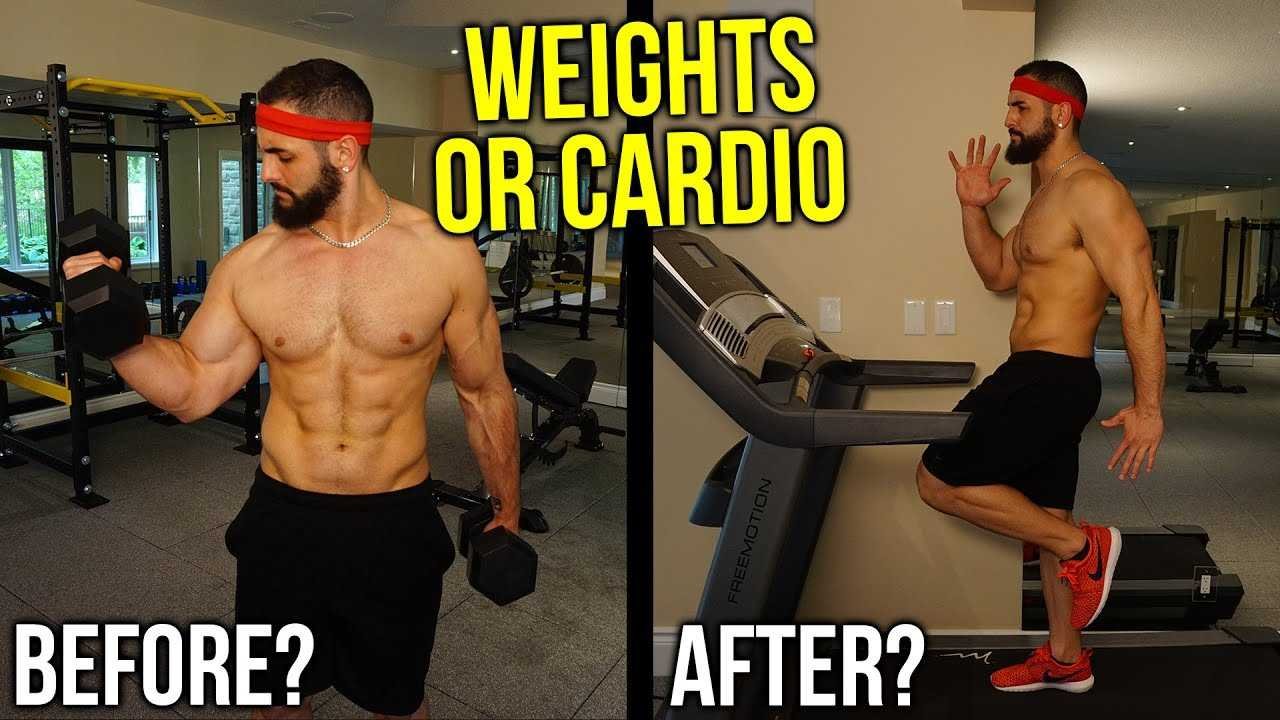
It’s a common dilemma: should you do cardio before hitting the weights or after? The best approach depends on your fitness goals, but generally, doing cardio after strength training helps preserve your energy for lifting heavier and building muscle, while doing it before can serve as an effective warm-up and improve endurance.
**Summary answer:** For most people aiming to build strength and muscle, it’s better to do cardio after resistance training. If you’re focusing on endurance or weight loss, a light cardio session before working out can be beneficial. Ultimately, it’s about aligning your cardio timing with your fitness goals to maximize results.
Getting your cardio timing right can make a real difference in how effective your workouts are and how you feel afterward. Some love jumping into cardio first to energize and warm up their muscles, while others prefer to save cardio for the end to prevent it from draining their strength. The decision hinges on what you want to achieve—whether it’s building muscle, increasing endurance, or burning calories. Understanding the impact of doing cardio before or after strength training helps you tailor your workouts, avoid fatigue, and stay motivated. No matter what, listening to your body and sticking to a consistent routine will deliver the best results.

Should I Do Cardio Before or After a Workout? A Complete Guide
Understanding the Purpose of Cardio
Cardio exercises, like running, cycling, or jumping rope, aim to improve your heart health and increase endurance. They help burn calories and boost overall fitness levels. Knowing what you want to achieve can help decide when to do cardio—before or after strength training.
Benefits of Doing Cardio Before a Workout
Starting with cardio warms up your body, making muscles more flexible and reducing injury risk. It also increases blood flow, which prepares your muscles for the upcoming workout. If your goal is to improve cardiovascular health or warm up efficiently, doing cardio first can be advantageous.
Enhanced Warm-Up
Engaging in light cardio for 5 to 10 minutes can loosen muscles and joints. This prepares your body, especially if you’re planning heavy lifting or high-intensity training. Warm muscles are less prone to strains or pulls during your main workout.
Increased Calorie Burn During Cardio
Performing cardio upfront can increase overall calorie expenditure. This can be beneficial if weight loss or fat burning is your primary goal. It also boosts your energy levels for the subsequent workout session.
Drawbacks of Doing Cardio Before a Workout
While warming up is beneficial, doing intense cardio before strength exercises can have downsides. It may lead to fatigue, reducing your strength and performance. This can hinder your ability to lift heavier weights or perform high-intensity exercises effectively.
Risk of Fatigue
Intense cardio can deplete glycogen stores in muscles. This leaves less energy available for strength training, potentially decreasing your workout quality. Fatigue can also increase injury risk if muscles are already tired.
Potential Reduction in Strength and Power
Performing cardio prior to lifting can impair your ability to lift maximum weights. If your priority is building muscle or strength, it might be better to do cardio afterward.
Benefits of Doing Cardio After a Workout
Completing cardio after strength training offers its own set of advantages. It allows you to focus fully on your main workout, and cardio afterward can aid in recovery. It also enhances fat burning once your muscle glycogen is depleted.
Preserves Strength and Power
By doing weight training first, your muscles are fresh and capable of lifting heavier or performing more reps. This approach promotes better strength gains and muscle growth.
Enhanced Fat Loss
After strength training, your body relies more on fat stores for energy. Doing cardio post-workout can amplify fat burning, assisting with weight loss efforts.
Drawbacks of Doing Cardio After a Workout
While effective, cardio after strength training may feel more tiring and less motivating. If your energy levels drop, you might skip cardio session altogether. Additionally, some studies suggest that exercising without prior warm-up can increase injury risk.
Lower Motivation and Energy
After a challenging workout, fatigue may make it harder to sustain effective cardio. This could lead to shorter or less intense sessions.
Reduced Cardio Intensity
Tired muscles might not perform at their best during cardio, affecting the overall effectiveness. If cardiovascular fitness is your main focus, this may be less ideal.
How to Decide the Best Approach for You
Choosing whether to do cardio before or after depends on your personal fitness goals, preferences, and schedule.
Goals and Priorities
- For muscle gain or strength: Do cardio after weightlifting to keep your energy focused on lifting heavy or performing high-rep sets.
- For endurance or cardiovascular health: Do cardio at the start to warm up your body and improve heart health.
- For weight loss: Both approaches can work, but consider doing cardio after strength training to maximize fat burn.
Time Constraints and Schedule
If you’re short on time, doing a quick warm-up cardio before strength training can be efficient. Alternatively, splitting workouts into separate sessions during the day also allows focus on each component.
Personal Preference and Motivation
Some people find they enjoy cardio more when done first as a warm-up, while others prefer to keep it for after. Listening to your body and preferences can help maintain consistency.
Combining Cardio and Strength Training Effectively
You don’t necessarily have to choose one approach exclusively. Combining both methods with some structure can give you balanced fitness results.
Sample Workout Plans
- Cardio before strength: 5 to 10 minutes of light cardio, followed by weightlifting, and then 10 to 15 minutes of moderate cardio.
- Strength first, then cardio: Complete your weight training, cool down briefly, and then do cardio for 20 to 30 minutes.
Tips for a Balanced Routine
- Alternate between doing cardio before and after workouts to avoid plateaus.
- Adjust intensity based on your energy levels and recovery needs.
- Incorporate rest days to allow full recovery from both cardio and strength sessions.
Additional Factors to Consider
Several elements can influence your choice, such as injury history, fitness level, and specific athletic goals.
Injury Prevention
Warm-up with light cardio before any workout reduces injury risk. Proper cool-down and stretching after both cardio and strength sessions are also crucial.
Fitness Level and Adaptation
Beginners might benefit from doing light cardio to ease into workouts, while seasoned athletes can experiment with more intense sessions to challenge their bodies.
Specialized Training or Sports Goals
If training for a particular sport, tailor your cardio and strength sessions to mimic sport-specific demands for optimal performance.
Summary
Deciding whether to do cardio before or after a workout depends on your goals, schedule, and personal preference. Doing cardio first helps warm up and improve cardiovascular fitness but can decrease strength performance if done intensely. Conversely, performing cardio after strength training preserves muscle energy and may boost fat burning. Experimenting with both methods and listening to your body’s response can help you find the most effective routine for your needs.
How To Do Cardio (Without Losing Muscle)
Frequently Asked Questions
How does doing cardio at different times affect my workout performance?
Performing cardio before a workout can decrease your strength and energy levels, potentially impacting your lifting or high-intensity exercises. Conversely, doing cardio after strength training may help improve cardiovascular health without compromising your ability to lift heavy. Consider your primary fitness goals when choosing the timing; for example, prioritize cardio post-workout if strength gains are your main focus.
Can pairing cardio with strength training in one session lead to better results?
Combining cardio and strength training within a single session can be effective if you structure your workout properly. Doing a brief warm-up of light cardio before strength exercises prepares your muscles, while ending with cardio can boost endurance and calorie burn. Balance the intensity and duration to avoid fatigue that might hinder your overall performance.
What are the advantages of doing cardio after a workout rather than before?
Performing cardio after your main workout helps preserve your energy for lifting or intense exercises, allowing you to maximize strength and power. It also reduces the risk of fatigue during your primary workout, ensuring better form and effectiveness. Additionally, cardio after strength training can aid recovery and improve metabolic rate.
Final Thoughts
Doing cardio before a workout can help warm up your muscles and improve endurance, but it might tire you out for strength training. Conversely, doing cardio after preserves energy for lifting weights and building strength. The decision depends on your fitness goals.
In conclusion, should I do cardio before or after a workout? It depends on what you aim to achieve, but generally, for maximum strength, doing cardio afterward is beneficial. Prioritize your goals to choose the best timing for cardio.
As an Amazon Associate, We earn from qualifying purchases. When you purchase a product through Amazon links on pulsefitguide.com, we may earn a small commission at no extra cost to you. This helps support the site and keep our content free.