

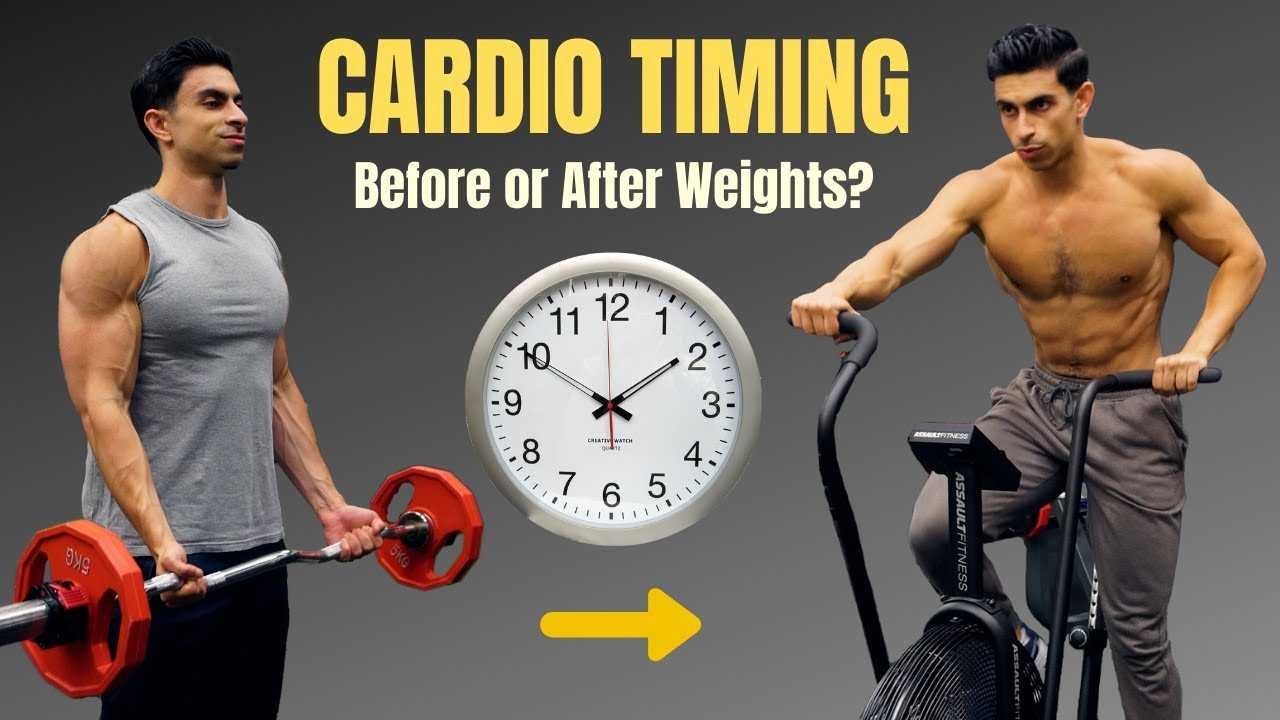
Absolutely, you can do cardio after weights if it fits your fitness goals. Combining both can boost endurance, burn extra calories, and improve overall health, but timing and intensity matter depending on your objectives.
For most people, doing cardio after weights is beneficial if your goal is fat loss or cardio improvement, but it might not be ideal if you’re aiming for maximum strength gains. Timing your cardio sessions around your weights depends on whether you’re prioritizing endurance, muscle growth, or recovery.
Thinking about whether to do cardio after weights? The answer depends on your goals—if you’re looking to shed fat or boost stamina, doing cardio afterward can be advantageous. However, if you’re focusing on building strength or lifting heavy, you might want to save cardio for another time to keep your energy levels high for lifting. Striking the right balance is key to optimizing your workouts and avoiding fatigue.

Should I Do Cardio After Weights? Everything You Need to Know
Understanding the Basics of Cardio and Weight Training
Cardio exercises focus on increasing your heart rate and improving cardiovascular health. Examples include running, cycling, and swimming. Weight training, on the other hand, builds muscle strength and boosts metabolism through resistance exercises like lifting weights or using resistance bands. Both types of workouts offer unique benefits for overall health.
Why People Ask About Doing Cardio After Weights
Many gym-goers wonder whether it’s better to do cardio before or after lifting weights. The reason behind this question is that both options have different effects on your workout and results. Some believe doing cardio first can warm up the body, while others prefer to lift weights first to maximize strength gains.
Effects of Doing Cardio Before Weights
Engaging in cardio before weight training can serve as an effective warm-up, increasing blood flow and preparing muscles for the session. However, doing intense cardio first may tire muscles, potentially reducing strength and performance during weight lifting. If you do moderate cardio beforehand, it can help prevent injuries and improve workout consistency.
Advantages of Doing Cardio After Weights
Many trainers recommend performing cardio after weights because it allows for maximum strength and power during resistance training. When you lift weights first, your muscles are fresh, making it easier to lift heavier and perform more repetitions. Post-workout cardio can then help with fat burning and improved recovery.
Impact on Fat Loss and Muscle Retention
Doing cardio after weights can be especially effective for burning fat, as your body uses stored fat as a primary energy source during post-strength training cardio sessions. However, some research suggests that performing cardio before weights can also help increase calorie burn if fat loss is your main goal.
Comparing the Two Approaches
| Doing Cardio Before Weights | Doing Cardio After Weights |
|---|---|
| Warms up muscles, reduces injury risk | Allows maximum strength during lifting |
| May tire muscles, reduce lifting performance | Facilitates better fat burning post-workout |
| Good for endurance building | Better for muscle preservation and strength gains |
How to Incorporate Cardio Into Your Workout Routine
The best approach depends on your fitness goals. For example, if you’re training for endurance, doing cardio first might be ideal. For muscle building and fat loss, doing cardio after weights tends to be more effective. Adjust the intensity and duration based on your personal goals and energy levels.
Sample Workout Structures
- Option 1: 5-10 minutes of light cardio, then weight training, followed by 15-20 minutes of moderate cardio
- Option 2: Weight training session first, then a 20-minute brisk walk or cycling session
- Option 3: Split routine with cardio on separate days to avoid fatigue
Balancing Energy Levels and Recovery
Balancing cardio and weight training requires listening to your body. If you feel exhausted after lifting, consider doing lighter cardio or resting. Proper recovery, including rest days and nutrition, enhances overall performance and prevents burnout.
Special Considerations for Different Fitness Goals
Your goals shape whether you do cardio before or after weights.
Fat Loss Goals
Prioritize doing cardio after weights to maximize fat burning potential. The body uses fat stores more effectively when glycogen levels are lower, which happens after strength training.
Building Muscle
Start with weight training when your energy levels are highest. Follow up with light to moderate cardio to support recovery without impairing muscle growth.
Improving Endurance
Incorporate longer cardio sessions before weights to build stamina, but ensure they are not too exhausting. Maintaining a balance is key.
Other Factors to Keep in Mind
Your personal schedule, fitness level, and preferences influence the best approach. Consistency and enjoyment are crucial for long-term success. Experiment with both methods to see which yields better results for your body and goals.
Whether you should do cardio after weights depends on what you want to achieve. Both methods have their benefits, and adjusting your routine accordingly can maximize your workout results. Focus on listening to your body, staying consistent, and aligning your workout with your fitness goals for the best outcomes.
How To Do Cardio (Without Losing Muscle)
Frequently Asked Questions
Can doing cardio after weight training improve overall endurance?
Performing cardio after weight training can gradually boost your endurance over time. Since your muscles are already warmed up, your body is better prepared to handle additional cardiovascular stress. This sequence allows you to focus on both strength and stamina without compromising either. However, if your primary goal is building strength, you might want to prioritize weights first and cardio later to avoid fatigue affecting your lifting performance.
Does doing cardio after weights help with muscle recovery?
Engaging in light to moderate cardio after weightlifting can promote blood circulation, which helps deliver nutrients to muscles and remove waste products. This process may aid in reducing soreness and supporting recovery. However, intense cardio sessions immediately after heavy lifting could lead to fatigue, potentially hampering muscle repair. It’s important to choose moderate intensity and listen to your body’s signals.
Will doing cardio after strength training impact muscle growth?
Performing cardio immediately after weight training might slightly limit muscle growth if it causes excessive fatigue or reduces the quality of your lifting sessions. To maximize muscle gains, consider doing shorter or lower-intensity cardio after weights or scheduling cardio on separate days. Balancing both activities allows you to recover well and promotes overall fitness without compromising your strength development.
Is it better to do cardio before or after weightlifting for fat loss?
For fat loss, many find that doing cardio after weights helps preserve muscle strength during lifting sessions, enabling higher intensity and volume. Additionally, post-strength training cardio tends to utilize stored fat as fuel more effectively once glycogen stores are partly depleted. That said, some prefer cardio before weights if their main goal is improving cardiovascular fitness; the best approach depends on your specific objectives and how your body responds.
How should I structure my workout if I want to include both cardio and weight training?
Design your workout based on your goals. If building strength is your priority, start with weights when your energy levels are highest, then add cardio afterward. For endurance or fat loss, you might do cardio first or split sessions across different days. Keep sessions balanced, ensure proper warm-up and cool-down, and allow adequate rest between intense sessions to prevent overtraining.
Final Thoughts
Opting to do cardio after weights depends on your fitness goals. If you want to maximize strength gains, focus on weight training first. Doing cardio afterward can help increase endurance without diminishing lifting capacity.
If fat loss is your priority, performing cardio after weights might be more effective. It allows your body to use fat stores for energy once glycogen is depleted from strength training.
Should I do cardio after weights? The answer varies with your aims. For improved endurance, adding cardio afterward works well. For muscle building, keep cardio sessions shorter and separate from lifting.
As an Amazon Associate, We earn from qualifying purchases. When you purchase a product through Amazon links on pulsefitguide.com, we may earn a small commission at no extra cost to you. This helps support the site and keep our content free.