
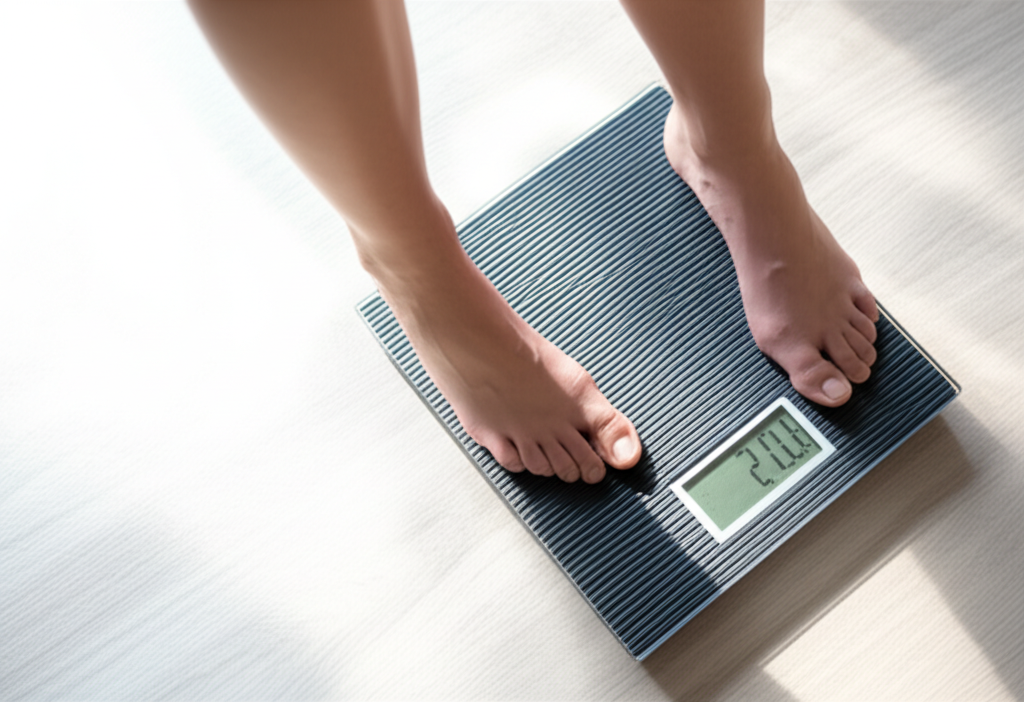
Quickest Way to Lose 5kg: Fast Results
Quick Summary: The quickest way to lose 5kg involves a combination of a calorie deficit through diet and increased physical activity. Focus on whole foods, reduce processed items, and incorporate regular exercise. Sustainable, healthy weight loss is the goal, even when aiming for fast results.
It’s totally understandable to want to shed 5 kilograms quickly. Many of us have faced that moment – a special event coming up, or just a desire for a faster change. It can feel frustrating when weight loss seems slow or confusing. But don’t worry, achieving this goal is possible with the right approach.
This guide will break down exactly how to lose 5kg effectively and safely. We’ll cover simple, science-backed strategies that you can start using today. Get ready to feel motivated and confident as we walk through each step together. Let’s make this happen!
Understanding the Science Behind Losing 5kg
Losing weight, at its core, is about creating a calorie deficit. This means burning more calories than you consume. To lose 1 kilogram of fat, you need to create a deficit of approximately 7,700 calories. So, to lose 5 kilograms, you’re aiming for a total deficit of about 38,500 calories.
This might sound like a lot, but it’s achievable over a few weeks with smart choices. The “quickest” way involves strategically increasing your calorie expenditure and decreasing your calorie intake. It’s not about drastic, unhealthy measures, but rather about smart, consistent effort.
Calories In vs. Calories Out
Think of your body like a bank account for energy. Calories you eat are deposits, and calories you burn through daily activities and exercise are withdrawals. To lose weight, you need more withdrawals than deposits.
Calories In: This comes from the food and drinks you consume.
Calories Out: This includes your Basal Metabolic Rate (BMR – calories burned at rest), the Thermic Effect of Food (TEF – calories burned digesting food), and calories burned through physical activity.
For fast results, we need to make these withdrawals significantly larger than the deposits over a short period.
Your Step-by-Step Plan to Lose 5kg Fast

Let’s get practical. Here’s a clear, actionable plan to help you achieve your 5kg weight loss goal. Remember, consistency is key!
Step 1: Create a Calorie Deficit (Diet Focus)
This is the most impactful step for quick weight loss. You need to eat fewer calories than your body needs to maintain its current weight. A safe and effective deficit is typically between 500-1000 calories per day. This can lead to a loss of about 0.5kg to 1kg per week.
What to Eat: Focus on Nutrient-Dense Foods
Prioritize whole, unprocessed foods that keep you full and provide essential nutrients.
Lean Proteins: Chicken breast, turkey, fish, beans, lentils, tofu, eggs. Protein helps you feel full and preserves muscle mass during weight loss.
Plenty of Vegetables: Non-starchy vegetables like broccoli, spinach, kale, bell peppers, and zucchini are low in calories and high in fiber and nutrients. Fill half your plate with these!
Fruits: Berries, apples, oranges, and bananas are great for snacks and provide natural sweetness and fiber.
Healthy Fats: Avocado, nuts, seeds, and olive oil in moderation are important for satiety and overall health.
Whole Grains: Quinoa, brown rice, oats, and whole-wheat bread in controlled portions provide sustained energy and fiber.
What to Limit or Avoid: Cut Down on Empty Calories
These foods offer little nutritional value and are high in calories, making it harder to create a deficit.
Sugary Drinks: Soda, fruit juices, sweetened coffees and teas. These are major sources of hidden calories.
Processed Snacks: Chips, cookies, pastries, candy. They are often high in sugar, unhealthy fats, and sodium.
Fried Foods: French fries, fried chicken, donuts. These are calorie-dense and often contain unhealthy fats.
Excessive Refined Carbs: White bread, white pasta, sugary cereals. Opt for whole-grain versions.
Alcohol: Alcohol contains empty calories and can also lower inhibitions, leading to poor food choices.
Hydration is Your Friend
Drinking plenty of water is crucial. It helps you feel full, aids metabolism, and is essential for overall bodily functions. Aim for at least 8 glasses (around 2 liters) of water per day. Sometimes, thirst can be mistaken for hunger, so drinking water before meals can help manage appetite.
Step 2: Boost Your Activity Level (Exercise Focus)
While diet is paramount, exercise significantly accelerates the process by burning extra calories and improving your body composition.
Cardiovascular Exercise (Cardio): This is excellent for burning calories. Aim for at least 150 minutes of moderate-intensity cardio or 75 minutes of vigorous-intensity cardio per week, spread across most days.
Examples of Moderate-Intensity Cardio: Brisk walking, cycling on level ground, dancing, water aerobics. You should be able to talk but not sing.
Examples of Vigorous-Intensity Cardio: Running, swimming laps, hiking uphill, jumping rope, high-intensity interval training (HIIT). You can only speak a few words at a time.
For faster results, you might aim for closer to 200-300 minutes of moderate-intensity cardio per week, or incorporate some vigorous sessions.
Strength Training: Building muscle is vital. Muscle tissue burns more calories at rest than fat tissue. Aim for 2-3 strength training sessions per week, targeting all major muscle groups.
Benefits: Increases metabolism, improves body shape, and helps prevent muscle loss while dieting.
Beginner-Friendly Exercises: Bodyweight squats, push-ups (on knees if needed), lunges, planks, dumbbell rows. High-Intensity Interval Training (HIIT)
: If you’re looking for the quickest calorie burn in the shortest time, HIIT is your go-to. It involves short bursts of intense exercise followed by brief recovery periods. A 20-30 minute HIIT session can be as effective as a longer moderate-intensity workout for calorie burning.
Example HIIT Workout:
1. Jumping Jacks (30 seconds)
2. Rest (15 seconds)
3. Squats (30 seconds)
4. Rest (15 seconds)
5. Push-ups (30 seconds)
6. Rest (15 seconds)
7. High Knees (30 seconds)
8. Rest (15 seconds)
Repeat the circuit 3-5 times. Important Note: Always listen to your body and consult a doctor before starting any new exercise program, especially if you have underlying health conditions. Step 3: Make Smart Lifestyle Changes
Beyond diet and exercise, small daily habits can significantly support your weight loss efforts.
Prioritize Sleep: Aim for 7-9 hours of quality sleep per night. Poor sleep can disrupt hormones that regulate appetite, leading to increased hunger and cravings.
Manage Stress: Chronic stress can lead to increased cortisol levels, which can promote fat storage, especially around the abdomen. Find healthy ways to manage stress, such as meditation, yoga, or deep breathing exercises.
Mindful Eating: Pay attention to your hunger and fullness cues. Eat slowly, savor your food, and avoid distractions like TV or your phone while eating. This helps you recognize when you’re satisfied.
Portion Control: Even healthy foods have calories. Use smaller plates, measure out servings, and be mindful of how much you’re eating. Sample Daily Meal Plan for Quick Weight Loss
This is a sample plan to give you an idea. You can adjust it based on your preferences and dietary needs, ensuring you maintain a calorie deficit and focus on whole foods.
Table: Sample Daily Meal Plan | Meal Time | Food Options | Estimated Calories |
| :————- | :—————————————————————————- | :—————– |
|
Breakfast | Omelet with spinach and mushrooms OR Greek yogurt with berries and a few nuts | 300-400 |
| Lunch | Large salad with grilled chicken or chickpeas, mixed greens, and a light vinaigrette OR Lentil soup with a side of whole-grain crackers | 350-450 |
| Snack (if needed) | Apple with a tablespoon of almond butter OR A handful of almonds OR A hard-boiled egg | 100-150 |
| Dinner | Baked salmon with roasted broccoli and a small portion of quinoa OR Lean turkey stir-fry with plenty of mixed vegetables and brown rice | 400-500 |
| Total Estimated Calories | | 1150-1500 | Note: Calorie needs vary based on individual factors like age, sex, activity level, and metabolism. This plan is a general example and may need adjustment. It’s advisable to consult with a healthcare professional or registered dietitian for personalized advice.
Tracking Your Progress
Monitoring your progress can be very motivating.
Weigh Yourself: Do this once a week, at the same time of day (preferably in the morning, before eating or drinking). Don’t get discouraged by daily fluctuations, as these are normal.
Take Measurements: Measure your waist, hips, and other areas. Sometimes you lose inches before you lose pounds.
Journaling: Keep a food and exercise diary. This helps you stay accountable and identify patterns. Many apps can help with this. Why Some “Quick Fixes” Don’t Work Long-Term
It’s important to distinguish between quick results and sustainable, healthy weight loss. While the methods above aim for faster progress, some extreme diets or “quick fixes” can be detrimental.
Crash Diets: Severely restricting calories can lead to nutrient deficiencies, muscle loss, fatigue, and a slowed metabolism. Once you stop, the weight often returns, sometimes with extra.
Detox Teas & Pills: These often promise rapid weight loss but lack scientific evidence. They can also have harmful side effects and don’t teach sustainable healthy habits.
Extreme Exercise Regimens: Overdoing it can lead to injury, burnout, and exhaustion, making it impossible to maintain. The goal is to create habits you can continue. Even for fast results, focusing on balanced nutrition and consistent, enjoyable movement is key.
Understanding Metabolic Adaptation
When you drastically cut calories or exercise excessively for a prolonged period, your body can adapt by slowing down its metabolism to conserve energy. This is a natural survival mechanism. For quick results, a moderate deficit combined with exercise is less likely to cause significant metabolic slowdown compared to extreme dieting. Learn more about metabolism from the National Institutes of Health.
Frequently Asked Questions (FAQ)
Q1: How quickly can I realistically lose 5kg?
A1: A safe and sustainable rate of weight loss is typically 0.5kg to 1kg per week. Therefore, losing 5kg could take anywhere from 5 to 10 weeks. For faster results, aiming for a slightly larger, yet still safe, calorie deficit and consistent exercise can help you reach it within 4-6 weeks, but always prioritize your health. Q2: Is it safe to try and lose 5kg in just one week?
A2: Losing 5kg in one week is generally not recommended and often involves losing water weight rather than fat. Extreme calorie restriction or dehydration can be unhealthy and unsustainable. Focus on gradual, consistent loss for long-term benefits. Q3: What’s the best exercise for losing weight quickly?
A3: A combination of cardiovascular exercise (like running, cycling, or HIIT) and strength training is most effective. Cardio burns calories during the workout, while strength training builds muscle, which boosts your metabolism even when you’re at rest. Q4: Do I need to cut out all carbs to lose weight fast?
A4: No, you don’t need to cut out all carbs. Focus on complex carbohydrates like whole grains, vegetables, and fruits, which provide fiber and nutrients. Reducing refined* carbohydrates (white bread, pasta, sugary snacks) can be very helpful in creating a calorie deficit. Q5: What if I’m still hungry after eating healthy meals?
A5: Ensure your meals are balanced with lean protein, healthy fats, and plenty of fiber-rich vegetables. These components promote satiety. Also, drink plenty of water, as thirst can sometimes be mistaken for hunger. If hunger persists, opt for low-calorie snacks like vegetables with hummus or a small portion of fruit. Q6: How much water should I drink daily for weight loss?
A6: Aim for at least 8 glasses (about 2 liters) of water per day. Staying well-hydrated helps with metabolism, can make you feel fuller, and is essential for overall bodily functions. Q7: What should I do if I hit a plateau?**
A7: Plateaus are normal! If your weight loss stalls, review your calorie intake and exercise routine. You might need to slightly adjust your calorie deficit, increase the intensity or duration of your workouts, or try a new form of exercise to challenge your body. Ensure you are getting enough sleep and managing stress, as these can also affect progress. Conclusion
| :————- | :—————————————————————————- | :—————– |
|
Losing 5 kilograms quickly is an achievable goal when you approach it with a clear, science-backed strategy. By focusing on a calorie deficit through smart food choices and increasing your calorie expenditure with regular exercise, you can see significant results. Remember to prioritize nutrient-dense foods, stay hydrated, and incorporate physical activity that you enjoy.
Small, consistent steps are more effective than drastic, short-lived measures. Listen to your body, celebrate your progress, and build healthy habits that will serve you long after you’ve reached your 5kg goal. You have the power to make positive changes, and this plan provides a solid roadmap to guide you on your journey to a healthier, happier you. Keep up the great work!
As an Amazon Associate, We earn from qualifying purchases. When you purchase a product through Amazon links on pulsefitguide.com, we may earn a small commission at no extra cost to you. This helps support the site and keep our content free.