

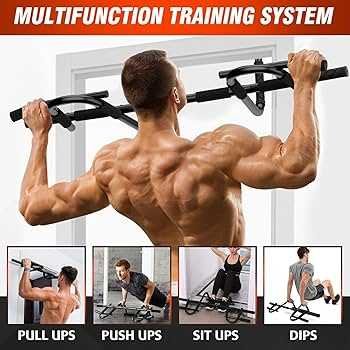
Looking to get fit and build strength right at home? A pull-up bar is a game-changer for bodyweight training, offering an effective way to target multiple muscle groups without any fancy equipment. Whether you’re a beginner or a seasoned athlete, investing in a sturdy pull-up bar can elevate your workout routine and help you achieve your fitness goals faster. In just a few minutes a day, you can enhance your upper body strength, improve muscle tone, and boost your overall fitness level. This simple yet versatile piece of equipment fits easily into any space and can be used for various exercises beyond pull-ups. With the right pull-up bar, transforming your body and staying consistent becomes much easier and more enjoyable.
A pull-up bar for bodyweight training is an essential tool to enhance strength and muscle development. It is simple to install and can be used for a variety of exercises, making it a practical investment for home or gym workouts. Proper selection based on your space, fitness level, and workout goals can maximize results and ensure safety during use.

Pull Up Bar for Bodyweight Training
Why a Pull Up Bar Is Essential for Bodyweight Workouts
A pull up bar is a versatile piece of fitness equipment that helps you build strength without weights. It allows you to perform a variety of exercises using just your body weight. Whether you want to increase muscle mass or improve endurance, a pull up bar is a perfect addition to your home or gym setup.
Types of Pull Up Bars
There are several types of pull up bars suitable for different spaces and needs. Understanding these options can help you choose the best one for you.
Doorway Pull Up Bars
These are easy to install and remove. They fit inside door frames and are ideal for small spaces. Some models have foam grips for comfort and stability.
Wall-Mounted Pull Up Bars
These bars are securely attached directly to a wall. They can support more weight and often allow for a wider range of exercises. Installation requires drilling, so they are best for permanent setups.
Ceiling-Mounted Pull Up Bars
Mounted on the ceiling, these bars offer more space and stability. They are good for home gyms with high ceilings and allow for various grip positions.
Portable and Freestanding Pull Up Bars
These are standalone units that can be moved around. They are perfect if you want a flexible solution and do not want to drill holes in your walls or door frames.
Key Features to Consider When Buying a Pull Up Bar
Choosing the right pull up bar depends on several factors. Here are the most important features to evaluate:
- Weight Capacity: Ensure the bar can hold your weight safely. Most bars support between 250 to 300 pounds.
- Grip Options: Look for bars with multiple grip positions to target different muscle groups.
- Material: Steel bars tend to be more durable, while foam grips add comfort.
- Installation Method: Decide if you prefer a temporary or permanent solution.
- Space and Compatibility: Measure your available space and check if the bar fits your door or wall.
Benefits of Using a Pull Up Bar for Bodyweight Training
Training with a pull up bar offers many advantages that can improve your overall fitness level.
Builds Upper Body Strength
Pull ups primarily target the muscles in your back, shoulders, and arms. Regularly using a pull up bar can lead to significant strength gains in these areas.
Enhances Core Stability
Many pull up variations require engaging your core muscles. This helps increase overall stability and improves posture.
Increases Muscle Endurance
Consistent training on a pull up bar boosts muscle endurance, enabling you to perform more reps over time.
Convenience and Cost-Effectiveness
With just one piece of equipment, you can perform a variety of exercises at home or outdoors. It saves money compared to gym memberships.
Popular Exercises Using a Pull Up Bar
To get the most out of your equipment, learn some effective exercises.
Standard Pull Ups
Grip the bar with palms facing forward, pull yourself up until your chin is above the bar, then lower yourself slowly. This targets your back, shoulders, and arms.
Chin-Ups
Similar to pull ups, but with palms facing towards you. This variation emphasizes the biceps.
Neutral Grip Pull Ups
Your palms face each other. It’s easier on the shoulders and helps increase grip strength.
Leg Raises
Hang from the bar and lift your legs to engage your abdominal muscles. This improves core strength.
Muscle-Ups
A combination of pull ups and dips that can help build explosive strength and upper body power.
Tips for Safe and Effective Training
Proper form reduces injury risk and maximizes results.
Warm Up Before Exercising
Spend a few minutes stretching or doing light cardio to prepare your muscles.
Use a Full Range of Motion
Complete each movement fully to target the muscles properly and improve flexibility.
Progress Gradually
Start with assisted pull ups or lower reps and increase difficulty over time as your strength improves.
Focus on Technique
Avoid swinging or using momentum. Control your movements for better muscle engagement.
Maintaining and Caring for Your Pull Up Bar
Proper maintenance ensures the longevity and safety of your equipment.
Regular Checks
Inspect the bar, grips, and mounting hardware for signs of wear or damage.
Cleaning
Wipe down grips regularly with a damp cloth to prevent sweat buildup and rust.
Proper Installation
Ensure the bar is securely mounted or fitted before each use. Never use a damaged or loose bar.
Safety Precautions and Common Mistakes to Avoid
Stay safe while training to prevent injuries.
- Don’t Overload: Know your weight limit and avoid exceeding it.
- Use Proper Grip: Hold the bar firmly with a comfortable grip surface.
- Avoid Overtraining: Allow muscles to recover between sessions.
- Don’t Rush Reps: Perform movements slowly and deliberately.
Integrating Pull Up Bar Workouts Into Your Routine
Create a balanced training schedule that includes pull ups.
Beginner Plan
Start with assisted pull ups or negative repetitions. Aim for 2-3 sessions per week.
Intermediate and Advanced Programs
Increase reps, incorporate variations, and include other bodyweight exercises like dips and push-ups.
Sample Weekly Workout
- Day 1: Standard pull ups, core exercises
- Day 2: Rest or light cardio
- Day 3: Chin-ups, leg raises
- Day 4: Rest
- Day 5: Muscle-ups or advanced variations
- Weekend: Active recovery or outdoor activities
Related Topics and Tips for Better Results
Beyond pull ups, combine your routines with other exercises for overall fitness.
Complementary Exercises
Push ups, dips, planks, and cardio activities enhance your workout.
Nutrition Tips
Eat a balanced diet rich in protein, fruits, vegetables, and healthy fats to support muscle growth.
Tracking Progress
Record your reps and sets to stay motivated and see improvements over time.
Advanced Variations for More Challenge
Progress to weighted pull ups, L-sits, or one-arm pull ups as you gain strength.
Indoor Versus Outdoor Training
Indoor bars offer convenience, while outdoor training adds variety and fresh air.
Choosing a pull up bar tailored to your space and goals can make bodyweight training more effective and fun. Incorporate different exercises, follow safety tips, and keep track of your progress for the best results. With consistency, this simple equipment can help you develop strength, improve endurance, and enjoy a healthier lifestyle.
Full-featured power tower, fancy!| Relife Rebuild Your Life
Frequently Asked Questions
What are the key factors to consider when choosing a pull-up bar for bodyweight exercises?
When selecting a pull-up bar, consider the weight capacity, mounting options, and ease of installation. Ensure the bar is sturdy enough to support your weight and fits your space, whether you prefer a doorway-mounted, wall-mounted, or ceiling-mounted model. Additionally, look for a design that offers a comfortable grip and accommodates different hand positions to diversify your workouts.
How can I ensure safety during bodyweight training with a pull-up bar?
To stay safe, always verify that your pull-up bar is securely installed and can handle your weight. Use proper grip techniques and avoid overextending or swinging excessively during exercises. Check the stability of the bar regularly and avoid using it if you notice any signs of damage or looseness. Incorporating a spotter or practicing with controlled movements also reduces the risk of injury.
What are some effective exercises I can perform with a pull-up bar for full-body training?
In addition to traditional pull-ups, you can perform chin-ups, leg raises, and hanging knee raises to target your upper body and core. Using different grips allows you to focus on various muscle groups. Incorporating pull-up variations, such as wide grip or close grip, enhances muscle development and adds variety to your workout routines.
Final Thoughts
A pull up bar for bodyweight training offers an effective way to build strength and improve fitness. It fits easily into home workouts, requiring minimal space and setup. Using this equipment helps target multiple muscle groups, making every exercise count. Incorporating a pull up bar into your routine boosts endurance and flexibility.
As an Amazon Associate, We earn from qualifying purchases. When you purchase a product through Amazon links on pulsefitguide.com, we may earn a small commission at no extra cost to you. This helps support the site and keep our content free.