

Practicing deep breathing and relaxation can instantly bring a sense of calm and clarity to your busy mind. Just a few minutes of focused breathing can reduce stress, lower blood pressure, and improve overall well-being. If you’re feeling overwhelmed or anxious, taking deep, deliberate breaths offers a simple yet powerful way to reset and regain your composure. In this article, we’ll explore straightforward techniques to incorporate deep breathing and relaxation into your daily routine, making it easier to stay balanced and peaceful amidst life’s chaos. Whether you’re at work, home, or on the go, these practices are accessible tools to help you find tranquility whenever you need it most. You’ll be surprised how such a small change can make a big difference in your mental and physical health.

Practicing Deep Breathing and Relaxation
Understanding the Power of Deep Breathing
Deep breathing is a simple yet powerful technique that helps calm the mind and body. When you breathe deeply, your lungs take in more air, which increases oxygen flow throughout your body. This process helps reduce stress hormones and promotes relaxation. Many people find that practicing deep breathing can immediately lower feelings of anxiety and improve overall mood.
How Deep Breathing Affects Your Body
Deep breathing activates your parasympathetic nervous system, also known as the rest and digest system. This activation slows your heart rate and lowers blood pressure, creating a sense of calm. Additionally, deep breathing reduces muscle tension and helps clear your mind. Regular practice can lead to long-term benefits, including better sleep and improved emotional resilience.
Steps to Practice Deep Breathing Effectively
- Find a comfortable position, sitting or lying down.
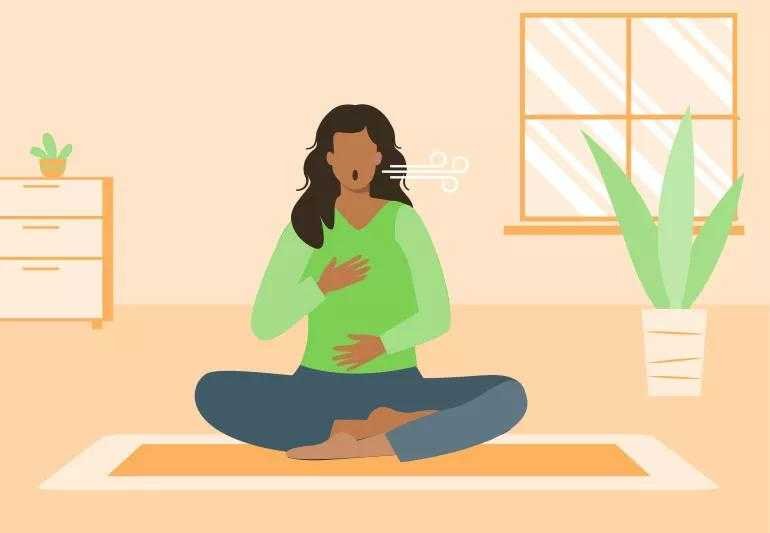
- Place one hand on your chest and the other on your belly.
- Take a slow, deep breath through your nose, allowing your belly to rise as your lungs fill with air.
- Hold your breath for a count of three.
- Exhale slowly through your mouth, letting your belly fall.
- Repeat this cycle for five to ten minutes, focusing on your breath.
Encourage yourself to practice daily to build a habit and experience ongoing benefits.
Common Deep Breathing Techniques
Diaphragmatic Breathing
This technique emphasizes breathing deeply into your diaphragm. It helps improve oxygen intake and promotes relaxation. Focus on expanding your belly rather than your chest during each breath.
Box Breathing
Box breathing involves inhaling, holding, exhaling, and holding again for equal counts, usually four seconds each. It helps improve focus and reduces stress quickly. This method is often used by athletes and professionals in high-pressure situations.
Alternate Nostril Breathing
This technique involves closing one nostril and inhaling through the other, then switching nostrils for the exhale. It balances the nervous system and enhances mental clarity. Practice this for several minutes to feel more centered.
Incorporating Relaxation Techniques Into Daily Life
Relaxation isn’t limited to formal practice sessions; it can be integrated throughout your day. Set aside a few minutes morning and evening for deep breathing exercises. Use moments of stress, like before a presentation or during a traffic jam, to pause and breathe deeply. This simple habit can improve your emotional stability over time.
Other Relaxation Practices That Complement Deep Breathing
Progressive Muscle Relaxation
This technique involves tensing and then relaxing different muscle groups. It helps increase awareness of physical tension and promotes overall relaxation. Combine it with deep breathing for enhanced calming effects.
Mindfulness Meditation
Mindfulness encourages present-moment awareness and non-judgmental acceptance. Combining it with deep breathing can help you stay grounded and reduce negative thoughts. Practice mindfulness meditation daily, focusing on your breath as an anchor.
Guided Imagery
Guided imagery uses visualization to create peaceful mental images. When combined with deep breathing, it can deepen relaxation and promote positive feelings. Use recordings or apps to guide your sessions for best results.
The Benefits of Regular Practice
Consistent deep breathing and relaxation practice can lead to numerous benefits, including:
- Reduced stress and anxiety
- Lower blood pressure
- Improved sleep quality
- Enhanced focus and concentration
- Better emotional regulation
- Increased feelings of well-being
Think of these techniques as tools you can use anytime to feel more balanced and calm.
Overcoming Challenges in Practice
Many beginners find it hard to stay focused during breathing exercises or feel impatient for results. Remember that consistency is key; even a few minutes daily can make a difference. If your mind wanders, gently redirect your attention to your breath without judgment. Patience and persistence will strengthen your relaxation skills over time.
Integrating Deep Breathing Into Stressful Situations
When faced with stress or overwhelming emotions, take a moment to breathe deeply. Practice the 4-7-8 method: inhale through your nose for four seconds, hold your breath for seven seconds, then exhale slowly for eight seconds. Doing this helps interrupt stress responses quickly and effectively.
Using Technology to Support Your Practice
Many apps and online programs offer guided breathing exercises tailored to your needs. Use these tools to schedule regular practice sessions or during moments of stress. Some apps even track your progress, giving you motivation to stay consistent.
Creating a Relaxation-Rich Environment
Designate a quiet, comfortable space dedicated to your breathing practice. Use calming elements like soft lighting, gentle music, or aromatherapy to enhance your experience. A peaceful environment encourages deeper relaxation and makes practice more enjoyable.
Building a Routine for Long-Term Benefits
Set specific times each day to practice deep breathing and relaxation. Consistency turns these exercises into habits, making them more effective. Remember, even short daily sessions can accumulate to significant health improvements over time.
Related Topics to Explore
- Stress management techniques
- Yoga and its relaxation benefits
- Sleep hygiene and relaxation aids
- Mindfulness and meditation practices
- Physical activity’s role in stress reduction
Practicing deep breathing and relaxation offers a practical way to improve your mental and physical health. By integrating these techniques into your daily routine, you’ll find it easier to manage stress, stay focused, and enjoy life more fully. Keep experimenting with different methods to discover what works best for you, and remember that patience and consistency are your best allies in this journey toward calmness and well-being.
Feeling stressed? Try this Box Breathing Technique…
Frequently Asked Questions
How can deep breathing help reduce stress in daily life?
Deep breathing activates the body’s relaxation response, which helps lower heart rate and blood pressure. By focusing on slow, controlled breaths, you can calm your mind and reduce feelings of anxiety or tension that often arise during stressful situations. Incorporating regular deep breathing exercises into your routine makes it easier to manage stress throughout the day.
What are some effective techniques to practice relaxation through breathing?
One effective technique involves inhaling slowly through your nose for a count of four, holding the breath for a moment, then exhaling gently through your mouth for a count of six. Repeating this process several times helps promote relaxation. Additionally, techniques like diaphragmatic breathing, where you breathe deeply into your belly, can deepen relaxation and improve overall well-being.
How long should I practice deep breathing exercises to see benefits?
Even just five to ten minutes of regular practice can make a noticeable difference in your mood and stress levels. Consistency matters most; practicing deep breathing exercises daily or multiple times a day ensures you develop a calming response that becomes easier to access during challenging moments.
Can deep breathing assist with improving sleep quality?
Yes, practicing deep breathing before bed can signal your body to relax, reducing racing thoughts and physical tension. This creates a more conducive environment for falling asleep. Incorporating calming breathing exercises into your bedtime routine can support better sleep patterns and overall restfulness.
Are there any precautions or situations where deep breathing might not be suitable?
If you experience respiratory issues like asthma or breathing difficulties, consult a healthcare professional before starting deep breathing exercises. In some cases, overly rapid or intense breathing techniques may cause discomfort or dizziness, so it’s best to proceed gradually and pay attention to how your body responds. Tailoring your practice to your comfort level helps ensure safety and effectiveness.
Final Thoughts
Practicing deep breathing and relaxation helps reduce stress and promote a sense of calm. Regularly dedicating time to these techniques can improve overall well-being.
Engaging in deep breathing exercises daily encourages mindfulness and mental clarity. It allows the mind to relax and decreases physical tension.
Incorporating relaxation practices into your routine offers immediate relief and long-term benefits. Consistency makes it easier to manage daily pressures effectively.
As an Amazon Associate, We earn from qualifying purchases. When you purchase a product through Amazon links on pulsefitguide.com, we may earn a small commission at no extra cost to you. This helps support the site and keep our content free.