

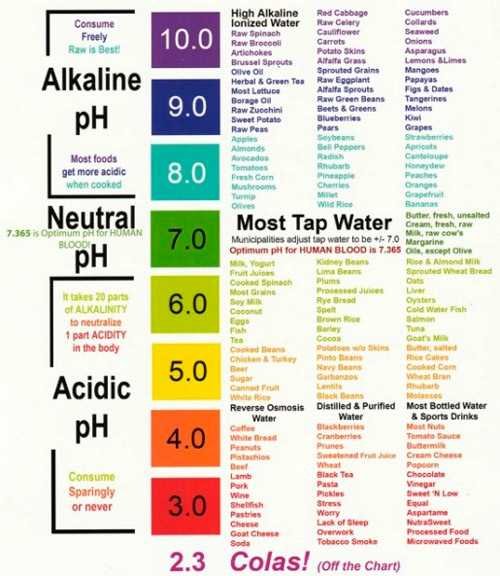
Maintaining the perfect pH level in your body is essential for overall health and well-being. When your body’s pH is balanced, it can better fight off illnesses, boost energy, and support vital functions. Conversely, an imbalanced pH can lead to fatigue, digestive issues, and even chronic conditions. The key to a healthy pH level lies in your diet, hydration, and lifestyle choices.
**Short answer**: To keep your body’s pH balanced, focus on consuming more alkalizing foods like fruits and vegetables, limit processed foods and sugars, stay well-hydrated, and incorporate regular exercise. Monitoring your body’s signals and making mindful adjustments can greatly enhance your health.
Balancing your body’s pH is more straightforward than many think, yet it has profound impacts on your health. Your body’s pH refers to the level of acidity or alkalinity in your blood and bodily fluids, ideally maintaining a slightly alkaline range of about 7.35 to 7.45. When pH levels shift too far from this range, it can disrupt many bodily functions, weaken your immune system, and cause discomfort. Achieving and maintaining this balance involves understanding which foods and habits influence your pH. The good news is that by making simple dietary changes and adopting healthier routines, you can support your body’s natural ability to stay balanced, feel more energized, and prevent disease.

Understanding pH Body Balance: The Key to Good Health
The concept of pH body balance is crucial for maintaining overall health and well-being. It refers to how well your body’s acids and bases are balanced. When your pH level is just right, your body functions smoothly, keeping you energized and healthy.
What Is pH and Why Is It Important?
pH measures how acidic or alkaline a substance is, on a scale from 0 to 14. A pH of 7 is considered neutral, like pure water. Your body strives to stay slightly alkaline, around 7.35 to 7.45, to work properly.
When your pH moves outside this range, it can cause health issues. Too much acidity may lead to fatigue, muscle pain, or even more serious conditions. Too much alkalinity can also cause problems, like muscle twitching or nerve issues.
How Your Body Regulates pH Levels
Your body has smart systems that work to keep the pH balanced. The kidneys, lungs, and digestive system all play roles in this process. They remove excess acids or bases and help maintain a healthy pH level.
The blood is especially sensitive to pH changes. Slight shifts can cause symptoms like dizziness or confusion. Therefore, maintaining pH balance is essential for vital organs to function properly.
Factors That Affect Your pH Balance
Diet and Nutrition
The foods you eat can influence your body’s pH. Fruits and vegetables tend to be alkaline, while processed foods and meats are more acid-forming. Balancing these helps keep your pH in a healthy range.
Stress and Lifestyle
Hydration
Drinking enough water is vital. Water helps flush out toxins and maintain proper pH levels. Dehydration can lead to excess acidity and health issues.
Medical Conditions and Medications
Certain illnesses, like kidney disease or respiratory problems, can impact pH balance. Some medications might also affect acidity or alkalinity in your body. Regular health check-ups are important to monitor these factors.
Signs of Imbalanced pH Levels
- Fatigue or low energy
- Muscle aches or weakness
- Frequent infections or colds
- Digestive issues like bloating or acid reflux
- Skin problems or rashes
If you notice these signs, it might be worth evaluating your pH balance and making appropriate lifestyle changes.
How to Maintain or Improve Your pH Body Balance
Dietary Changes
Focus on incorporating more alkaline-forming foods. These include leafy greens, cucumbers, melons, and nuts. Limit acid-forming foods like red meats, processed snacks, and sugary drinks.
Eat a Balanced Diet
Ensure your meals include a variety of fruits, vegetables, whole grains, and lean proteins. This variety helps keep your body’s pH just right.
Stay Hydrated
Drink plenty of water throughout the day. You can also include herbal teas or mineral water for added benefits.
Exercise Regularly
Physical activity helps reduce acid buildup and improves circulation. Even daily walks or gentle yoga can positively impact pH balance.
Manage Stress Effectively
Practicing meditation, deep breathing, or hobbies you enjoy helps lower stress levels. Reduced stress supports a healthier pH balance.
Additional Methods to Support pH Balance
Use of Alkaline Supplements
Some people incorporate alkaline water or supplements like magnesium or bicarbonate into their routine to help balance pH. Always consult with a healthcare professional before starting new supplements.
Monitoring pH Levels at Home
pH test strips are affordable and easy to use. Testing your saliva or urine can give you a rough idea of your body’s pH status. Regular monitoring helps make informed lifestyle decisions.
Related Topics to Consider
- Detoxification: How cleansing routines impact pH levels
- Acid-Forming vs. Alkaline-Forming Foods: Clarifying which foods support balance
- Impact of Lifestyle Choices: Sleep, hydration, and activity
- pH and Chronic Disease: Connecting imbalance to health conditions
Common Myths About pH Body Balance
| Myth | Fact |
|---|---|
| Only diet affects pH balance | Other factors like stress, hydration, and medical conditions also play a role |
| You need expensive supplements to balance pH | Simple diet and lifestyle modifications are often sufficient |
| pH balance is only important for athletes | Everyone benefits from maintaining proper pH levels for overall health |
Tips for a pH-Friendly Lifestyle
- Eat more fruits and vegetables daily
- Limit processed and sugary foods
- Drink at least 8 glasses of water each day
- Practice stress-relief techniques regularly
- Engage in physical activity most days of the week
- Monitor your pH using test strips periodically
Maintaining pH body balance may sound tricky, but small, consistent changes can make a big difference. When your body stays balanced, you feel more energetic, your immune system works better, and you enjoy overall wellness.
pH Imbalance: The Surprising Effects on Your Health
Frequently Asked Questions
What are effective ways to measure the body’s pH balance regularly?
To monitor your body’s pH balance, you can use pH test strips or digital pH meters designed for saliva or urine testing. Testing your saliva in the morning before eating provides a good indication of your overall pH level. Keep a log of your readings over time to identify patterns and determine if your diet or lifestyle choices need adjustment. Regular testing helps you stay aware of your body’s acid-alkaline balance and make informed decisions to maintain it within a healthy range.
How does diet influence the body’s pH balance?
Your dietary choices directly affect your body’s pH levels. Consuming a diet rich in fruits, vegetables, and nuts helps promote an alkaline environment, while eating excessive processed foods, sugar, and animal proteins can increase acidity. Incorporating alkalizing foods into your meals supports optimal pH levels, which may improve overall health and reduce risks associated with imbalances. Balancing your diet ensures that your body’s pH remains in a range that supports bodily functions.
Can lifestyle habits impact my body’s pH balance?
Yes, several lifestyle habits influence your body’s acid-alkaline balance. Regular physical activity helps regulate pH by promoting circulation and metabolic functions. Hydration with alkaline water can also help maintain proper pH levels. Avoiding excessive alcohol consumption, smoking, and high-stress situations contributes to keeping your body in a more balanced pH state. Adopting these habits supports the body’s natural ability to maintain a healthy pH range.
Are there any signs indicating that my body’s pH balance is off?
Signs of an imbalanced pH include fatigue, poor digestion, frequent infections, and skin issues. You might also experience muscle weakness, headaches, or often feel bloated. Persistent symptoms like these can suggest your body’s pH is leaning toward acidity or alkalinity beyond healthy levels. Tracking these signs alongside pH testing can help you identify if adjustments to your diet and lifestyle are necessary to restore balance.
Is it safe to use supplements to alter my body’s pH levels?
Using supplements to influence your body’s pH should be approached with caution. Consult a healthcare professional before starting any supplement regimen, as improper use can lead to imbalances or other health issues. Focus on natural dietary sources and lifestyle changes first, as these methods support pH regulation more safely. A healthcare provider can guide you through personalized strategies to maintain or restore your body’s pH balance effectively.
Final Thoughts
Maintaining a healthy pH body balance is essential for overall wellness. It influences energy levels, immune function, and digestion. Proper diet and hydration help keep this balance in check.
When your pH body balance is optimal, you feel more vibrant and resilient. Small lifestyle adjustments can make a significant difference. Focus on foods that promote alkalinity to support your health journey.
As an Amazon Associate, We earn from qualifying purchases. When you purchase a product through Amazon links on pulsefitguide.com, we may earn a small commission at no extra cost to you. This helps support the site and keep our content free.