

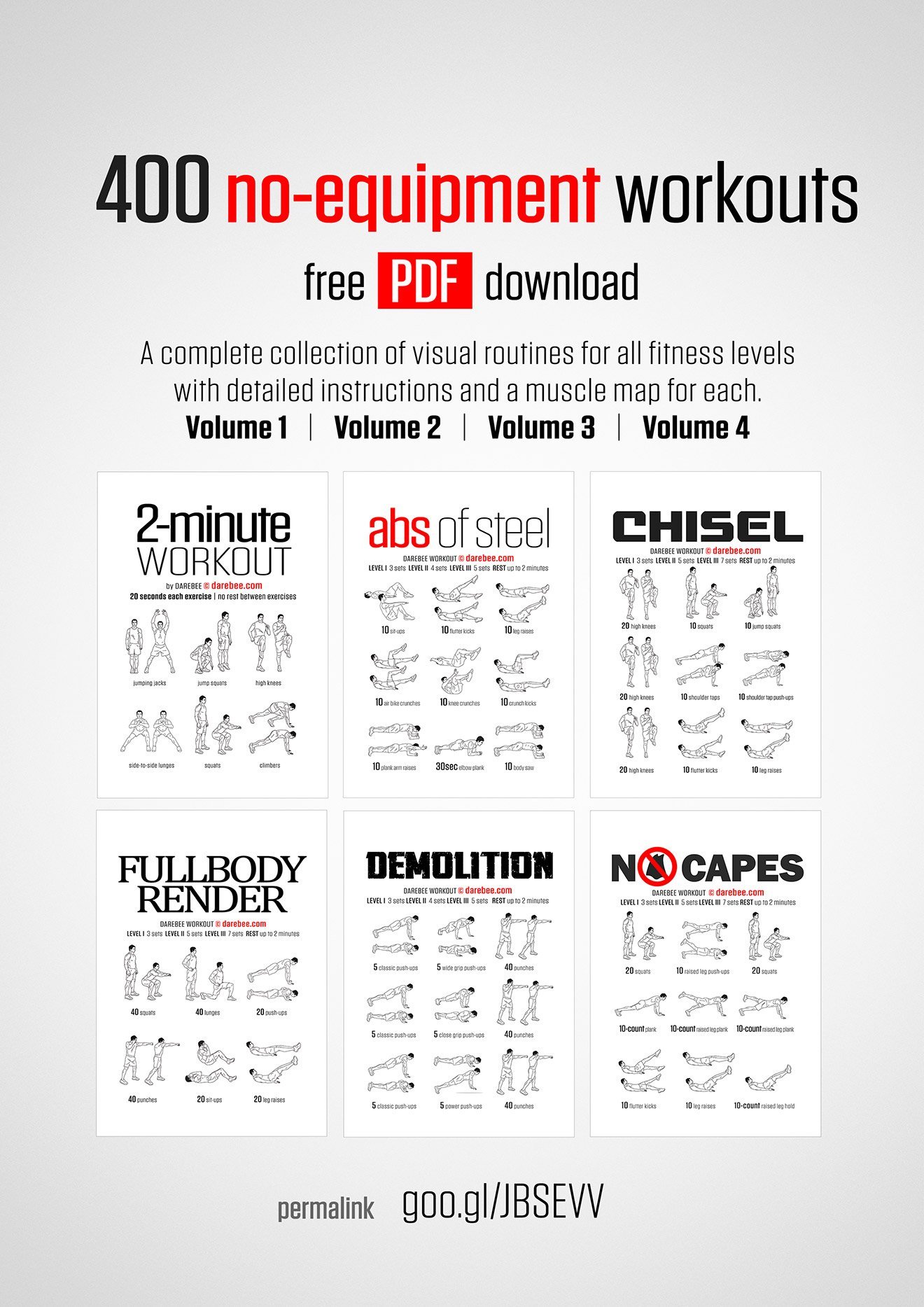
No equipment workouts for beginners are an excellent way to start exercising without needing a gym or special gear. **You can get a full workout using just your body weight.** These routines are simple, effective, and perfect for those new to fitness.
Starting with bodyweight exercises keeps things straightforward and accessible. You don’t need any equipment, making it easy to stay consistent and motivated.
Whether at home or on the go, these workouts fit into any schedule, helping you build strength and confidence step by step.

No Equipment Workouts for Beginners: The Ultimate Guide to Getting Fit at Home
When starting a new fitness routine, many people feel overwhelmed by the thought of expensive gym memberships or complex exercise equipment. The good news is that you don’t need any fancy gear to get in shape. No equipment workouts for beginners are a fantastic way to build strength, improve flexibility, and boost your overall health—right from the comfort of your home or anywhere else. In this guide, we will explore everything you need to know about these workouts, including their benefits, how to structure them, and simple exercises you can do today.
Why Choose No Equipment Workouts?
Choosing no equipment workouts makes fitness accessible, affordable, and flexible. Here are some reasons why they are perfect for beginners:
- Cost-effective: No need to buy expensive gym memberships or workout gear.
- Convenience: Workout anytime and anywhere—whether in your living room, backyard, or even a park.
- Less intimidation: No equipment means less clutter, less noise, and fewer people watching you struggle through your first few workouts.
- Focus on body weight: Those exercises help you build functional strength, improve balance, and increase flexibility.
By sticking to routines that require no gear, you make exercising less intimidating and more consistent. Plus, bodyweight exercises often target multiple muscle groups at once, giving you a balanced workout every time.
Getting Started with No Equipment Workouts
Before jumping into exercises, it’s helpful to have a simple plan. Here are a few tips to get ready:
Set Realistic Goals
Think about what you want to accomplish. Are you aiming to lose weight, gain strength, or just feel more energetic? Setting clear goals helps you stay motivated and focused.
Warm Up Properly
Always start with a 5-10 minute warm-up to prepare your muscles and prevent injuries. You might do light jogging in place, arm circles, or gentle stretching.
Choose a Suitable Routine
Start with beginner-friendly exercises that suit your fitness level. Focus on proper form rather than speed or number of repetitions.
Consistency Over Intensity
Aim to work out at least three times a week. As you get stronger, you can increase your workout duration, repetitions, or add variety.
Essential No Equipment Exercises for Beginners
Now, let’s explore some simple yet effective exercises you can include in your routine. These exercises target multiple muscle groups and are easy to perform with no equipment.
Cardio and Warm-up Exercises
Getting your heart rate up helps burn calories and boosts your cardiovascular health.
- Jumping jacks: Stand with your feet together, arms at your sides. Jump your feet out while raising your arms overhead. Jump back to start. Do 15-20 reps.
- High knees: Jog in place, lifting your knees as high as possible. Keep your core engaged. Do this for 30 seconds to 1 minute.
- Butt kicks: Jog in place, kicking your heels toward your glutes. Do for 30 seconds.
Strength and Resistance Exercises
These exercises build muscle strength and improve endurance.
Squats
Stand with your feet shoulder-width apart. Bend your knees and hips to lower your body as if sitting in a chair. Keep your chest up and knees over toes. Push through your heels to stand back up. Aim for 10-15 repetitions.
Push-ups
Start in a plank position, hands slightly wider than shoulder-width apart. Lower your body until your chest nearly touches the ground. Push back up. Keep your body straight throughout. If full push-ups are challenging, modify by doing them on your knees. Start with 8-12 repetitions.
Lunges
Stand tall, then step forward with one leg, lowering your hips until both knees are bent at about 90 degrees. Push off the front foot to return to start. Alternate legs for 10-12 repetitions each side.
Plank
Lie face down, then lift your body onto your forearms and toes. Keep your body straight from head to heels. Hold for 20-30 seconds, gradually increasing as you get stronger.
Flexibility and Balance Exercises
Flexible muscles and good balance help prevent injuries and improve overall movement.
- Cat-Cow Stretch: On your hands and knees, alternate between arching your back toward the ceiling (cat) and dipping it toward the floor (cow). Do 10 repetitions.
- Standing Forward Bend: Stand with feet hip-width apart, bend at the hips, and reach toward your toes. Hold for 15-20 seconds.
- Single-Leg Balance: Stand on one foot, keeping the other foot slightly off the ground. Hold for 15 seconds, then switch sides.
- Seated Twist: Sit on the floor, cross your legs, and twist your torso to one side. Hold for 15 seconds, then switch.
Structuring Your No Equipment Workout Routine
A well-organized workout plan keeps you motivated and ensures balanced development.
Sample Weekly Schedule
Here’s an example to help you plan your workouts:
| Day | Workout Focus |
|---|---|
| Monday | Full-Body Cardio & Strength |
| Wednesday | Core & Balance |
| Friday | Cardio & Lower Body |
| Sunday | Stretching & Flexibility |
Adjust the number of exercises, repetitions, and duration based on your current fitness level. As you progress, increase intensity gradually.
Rest and Recovery
Allow your muscles time to recover. Take at least one rest day per week and listen to your body. If you experience pain (not typical muscle soreness), stop and consult a health professional.
Tips for Staying Motivated
Sticking to a workout routine can be challenging, especially at the start. Here are some tips:
- Set small, achievable goals: Celebrate each milestone, like completing your first week or mastering a new exercise.
- Track your progress: Keep a simple journal or use apps to see how far you’ve come.
- Mix things up: Try different exercises to keep things exciting and prevent boredom.
- Find a workout buddy: Exercising with friends or family keeps you accountable.
- Reward yourself: After reaching a goal, treat yourself to something special—preferably a healthy one!
Common Challenges and How to Overcome Them
Starting a new exercise routine can bring obstacles. Here are some common issues and solutions:
Time Constraints
Keep workouts short but effective—aim for 15-30 minutes. You can split exercises into shorter sessions throughout the day.
Lack of Motivation
Remember your goals, and remind yourself of the health benefits. Setting a schedule helps make exercise part of your routine.
Feeling Sore or Tired
Expect some muscle soreness initially. Use proper warm-up and cool-down routines to reduce discomfort. Rest days are vital too.
Plateau in Progress
If you stop seeing progress, try increasing repetitions or adding new exercises to challenge your muscles.
Starting with no equipment workouts offers a simple, accessible way for beginners to build a healthy, active lifestyle. With consistent effort, proper planning, and a positive attitude, you can see real results without stepping into a gym. Remember to focus on proper form, start slow, and gradually increase the intensity of your exercises. Fitness is a journey, not a race. So, put on your comfortable clothes, pick your favorite exercises from this guide, and get moving today!
Frequently Asked Questions
What are some effective bodyweight exercises suitable for beginners with no equipment?
Beginners can benefit from basic exercises like bodyweight squats, push-ups, lunges, and planks. These exercises target major muscle groups and improve strength and stability without the need for equipment. Focus on proper form and gradually increase repetitions to build endurance.
How can I ensure my no-equipment workouts are safe and avoid injury?
Start with gentle exercises and pay attention to your body signals. Warm up before exercising and cool down afterward. Maintain proper posture and avoid overexertion. If you experience pain, stop immediately and consult a professional if needed.
How often should beginners perform no-equipment workouts to see progress?
Begin with 3 to 4 sessions per week, allowing your muscles to recover between workouts. Consistency is key; gradually increase the intensity or duration of your workouts as your strength and endurance improve. Listen to your body and adjust accordingly.
Can no-equipment workouts be customized for different fitness levels?
Yes, you can modify exercises based on your fitness level by adjusting the number of repetitions, sets, or exercise difficulty. For example, beginners can perform knee push-ups instead of standard push-ups or reduce the number of reps until they build strength.
What are some common mistakes to avoid during no-equipment workouts for beginners?
Avoid rushing through exercises or sacrificing proper form for more reps. Do not skip warm-up and cool-down routines. Overtraining can lead to injury; ensure you rest adequately. Additionally, stay hydrated and listen to your body to prevent fatigue or strain.
Final Thoughts
No equipment workouts for beginners offer an accessible way to start fitness without needing gym gear. These workouts focus on bodyweight exercises like push-ups, squats, and lunges, making training straightforward and effective. They help build strength and improve endurance gradually.
Starting with no equipment workouts can boost confidence and motivate consistent movement. They fit easily into daily routines and require minimal space. For beginners, this approach builds a solid fitness foundation.
In summary, no equipment workouts for beginners provide a simple, adaptable option to get active and stay motivated. They allow newcomers to enjoy the benefits of regular exercise without the need for additional equipment, making fitness approachable for all.
As an Amazon Associate, We earn from qualifying purchases. When you purchase a product through Amazon links on pulsefitguide.com, we may earn a small commission at no extra cost to you. This helps support the site and keep our content free.