

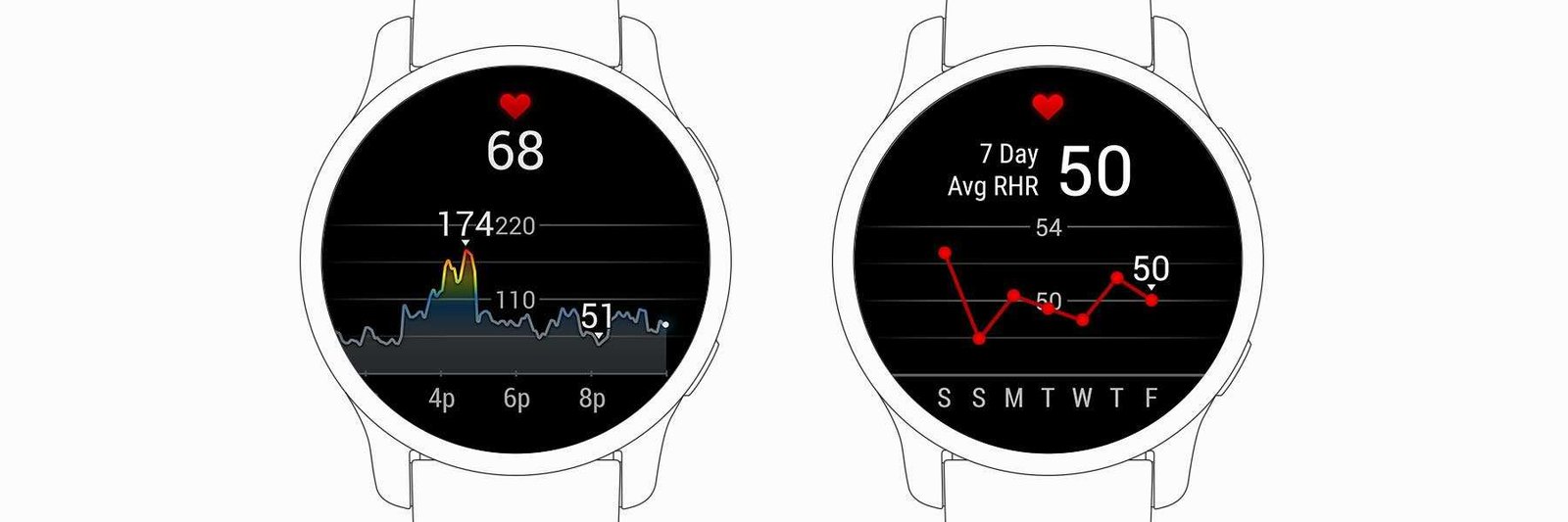
Tracking your heart rate during recovery offers a simple yet powerful way to understand how well your body is bouncing back after exercise. By paying attention to these signals, you can optimize your workouts, prevent overtraining, and ensure you’re giving your body the rest it needs to improve. Monitoring heart rate provides real-time insights into your recovery status, allowing you to adjust intensity or take extra rest days when necessary. In essence, staying aware of your heart’s rhythm can make your fitness journey safer and more effective.
In short, monitoring your heart rate during recovery is an easy method to gauge how well your body is healing after workouts. It helps you identify if you’re pushing too hard or allowing enough rest, which is crucial for steady progress and injury prevention. Consistent tracking enables better training decisions and promotes overall well-being.
Keeping an eye on your heart rate during recovery isn’t just for athletes—anyone interested in maintaining a healthy, balanced routine can benefit from understanding their heart’s signals. This simple practice can reveal important clues about your fitness level and recovery needs, helping you stay motivated and on track toward your goals.

Monitoring Heart Rate to Gauge Recovery Status
Understanding Heart Rate and Its Role in Recovery
Monitoring heart rate is an essential method to understand how your body is recovering after physical activity. Your heart rate reflects how hard your heart works during exercise and how quickly it returns to normal afterward. A steady, healthy recovery indicates good fitness levels, while a slow return suggests your body may still be stressed or fatigued.
Your resting heart rate is a key indicator of overall health and fitness. When you engage in intense workouts, your heart rate rises to supply oxygen and nutrients to muscles. As you recover, your heart rate should decrease steadily, signaling your body is effectively recuperating. Tracking these changes can help you prevent overtraining and reduce the risk of injury.
The Science Behind Heart Rate and Recovery
Heart rate recovery (HRR) is the measure of how quickly your heart rate drops after exercise. Faster HRR indicates a well-conditioned heart, while slower HRR can show fatigue or underlying health issues. This measurement is considered a reliable indicator of cardiovascular fitness and overall recovery.
During recovery, your parasympathetic nervous system activates to slow your heart rate down. If this process is delayed, it might mean your body is under stress or not fully recovered. Regular monitoring of HRR can help identify signs of overtraining or illness early on.
How to Measure Heart Rate During Recovery
There are several effective ways to measure heart rate during recovery periods:
- Manual Method: Use your index and middle fingers to locate your pulse on your wrist or neck. Count the beats for 15 seconds and multiply by four for beats per minute (bpm).
- Heart Rate Monitors: Wearable devices like chest straps, fitness watches, or smartwatches provide continuous heart rate tracking, making it easier to monitor recovery in real-time.
- Mobile Apps: Some smartphone apps connect with wearables or use camera-based sensors to measure heart rate visually.
Timing your measurements is crucial. Take your pulse immediately after stopping exercise and then at one-minute intervals until your heart rate stabilizes. Record the values to analyze your recovery process over time.
Understanding Heart Rate Zones and Their Significance
Heart rate zones categorize exercise intensity and can help interpret recovery status:
- Resting Heart Rate Zone: Usually between 60-80 bpm for adults. Indicates baseline fitness level.
- Fat Burn Zone: 50-70% of maximum heart rate. Promotes fat loss during exercise.
- Cardio Zone: 70-85% of maximum heart rate. Builds aerobic fitness.
- Peak Zone: 85-100% of maximum heart rate. Used during high-intensity workouts.
Monitoring your heart rate during recovery involves noting how quickly your heart rate moves from the exercise zone back to resting levels. A faster transition suggests better recovery and cardiovascular health.
Factors Affecting Heart Rate Recovery
Several elements influence how your heart rate recovers post-exercise:
- Fitness Level: More fit individuals tend to have quicker HRR times.
- Age: Heart rate recovery slows with age, reflecting changes in cardiovascular function.
- Hydration and Nutrition: Proper hydration and balanced nutrition support efficient recovery.
- Sleep Quality: Poor sleep can impair recovery processes, including HRR.
- Stress Levels: Elevated stress can delay HRR by activating sympathetic nervous activity.
Understanding these factors can help you optimize recovery strategies and improve your training outcomes.
Using Heart Rate Data to Optimize Recovery and Training
Tracking heart rate recovery enables you to tailor your workouts more precisely. For example, if HRR becomes slower over time, it might indicate fatigue or overtraining. Conversely, rapid HRR suggests your body is adapting well to training stress.
Athletes and fitness enthusiasts can schedule rest days based on recovery data to prevent burnout. Incorporating light activity or active recovery on days with slower HRR can promote better cardiovascular health. Using heart rate data regularly can also motivate you by showing tangible progress.
Integrating Technology to Monitor Heart Rate and Recovery
Modern technology makes tracking recovery easier than ever:
- Wearable Devices: Fitness trackers and smartwatches provide real-time data on heart rate and recovery times.
- Apps and Software: Many apps analyze heart rate trends and suggest recovery status or rest periods.
- Data Integration: Some platforms sync with heart rate monitors to give comprehensive insights into training and recovery.
Using these tools consistently can help you identify patterns and adjust your routines for optimal recovery.
Additional Metrics to Complement Heart Rate Monitoring
While heart rate is a critical recovery marker, combining it with other data can give a full picture of your health:
| Parameter | What It Measures | Importance |
|---|---|---|
| Heart Rate Variability | The variation in time between heartbeats | High variability indicates good recovery and stress management |
| Sleep Quality | Depth and restfulness of sleep | Restful sleep supports faster recovery |
| Perceived Exertion | How hard you feel the workout is | Helps adjust exercise intensity based on recovery |
| Mood and Energy Levels | Subjective feelings of well-being | Indicators of overall recovery status |
Integrating these metrics provides a comprehensive view of your recovery progress.
Practical Tips for Effective Heart Rate Monitoring
To maximize the benefits of tracking your recovery:
- Monitor consistently, ideally at the same times each day.
- Record your data in a journal or app for easy tracking over time.
- Compare your HRR after different workout intensities to understand your limits.
- Use recovery data alongside feelings of fatigue and soreness for balanced training.
- Stay hydrated and get sufficient sleep to support healthy recovery patterns.
By following these tips, you’ll be able to better interpret your heart rate data and use it to guide your fitness journey.
Monitoring heart rate to gauge recovery status offers valuable insights into your fitness and health progress. It helps identify when your body is ready for more intense workouts or needs rest. Regular tracking, combined with a balanced approach to training and recovery, can improve performance and overall well-being.
Measure Your Fitness With Heart Rate Recovery
Frequently Asked Questions
How can heart rate variability indicate recovery progress after exercise?
Heart rate variability (HRV) measures the fluctuations between consecutive heartbeats. A higher HRV typically signals that your body is recovering well and has a strong parasympathetic response. Conversely, a lower HRV may indicate fatigue or stress, suggesting your body needs more time to recover. Monitoring HRV helps you understand your current recovery status and adjust your training intensity accordingly.
What is the ideal heart rate range to determine if I am recovered?
The ideal heart rate range varies between individuals, but generally, a resting heart rate that remains stable and within a lower range indicates good recovery. For most adults, a resting heart rate between 60-70 beats per minute signifies effective recovery. If your resting heart rate is higher than usual, it may suggest lingering fatigue or incomplete recovery, signaling the need to allow more rest before your next workout.
How do changes in recovery heart rate inform my training schedule?
Monitoring how quickly your heart rate returns to resting levels after exercise provides insights into your recovery status. A faster recovery rate indicates your cardiovascular system is adapting well and you are ready for increased training intensity. Conversely, a slower heart rate recovery suggests fatigue or overtraining, and you might need to reduce workout intensity or take additional rest days to prevent injury and optimize performance.
Can tracking recovery heart rate help prevent overtraining?
Yes, keeping an eye on your recovery heart rate helps identify signs of overtraining early. When your heart takes longer than usual to return to resting levels after exercise, it signals your body is under stress and hasn’t fully recovered. Recognizing these signs allows you to modify your training plan proactively, reducing the risk of injury and ensuring your body gets adequate time to heal.
How does the time taken for heart rate to stabilize relate to overall fitness levels?
The duration it takes for your heart rate to stabilize after physical activity reflects your cardiovascular fitness. Generally, a quicker return to resting heart rate suggests better fitness and efficient recovery mechanisms. As your fitness improves, your body adapts to handle exercise more effectively, resulting in shorter recovery times and enhanced overall health.
Final Thoughts
Monitoring heart rate to gauge recovery status helps individuals understand their physical readiness. By paying attention to fluctuations, you can determine if your body has fully recovered or needs more rest. Consistent tracking offers valuable insights into your training progress and overall health. Keeping an eye on your heart rate ensures you train effectively and avoid overexertion.
As an Amazon Associate, We earn from qualifying purchases. When you purchase a product through Amazon links on pulsefitguide.com, we may earn a small commission at no extra cost to you. This helps support the site and keep our content free.