
Quick Summary:
A Mediterranean diet meal plan focuses on whole, unprocessed foods like fruits, vegetables, whole grains, lean proteins, and healthy fats. It’s a flexible, delicious, and sustainable way to eat for long-term health and weight management, prioritizing flavor and lifestyle over strict rules.
Feeling a bit lost when it comes to healthy eating and weight loss? You’re not alone. Many people find it tough to figure out what to eat, especially when trying to lose weight or just feel better overall. It can seem complicated with all the different advice out there.

But what if I told you there’s a way of eating that’s not only good for you but also delicious and easy to follow? It’s called the Mediterranean diet, and it’s been loved for centuries because it’s all about enjoying real food and living well.
This guide will break down the Mediterranean diet meal plan step-by-step, making it super simple to understand and start. We’ll cover what to eat, how to plan your meals, and why it’s such a fantastic choice for your health. Get ready to discover a tasty path to feeling your best!
What is the Mediterranean Diet Meal Plan?
Think of the Mediterranean diet meal plan as a way of eating inspired by the traditional foods of countries bordering the Mediterranean Sea, like Greece, Italy, Spain, and Morocco. It’s less about strict rules and more about a lifestyle centered around delicious, wholesome foods.
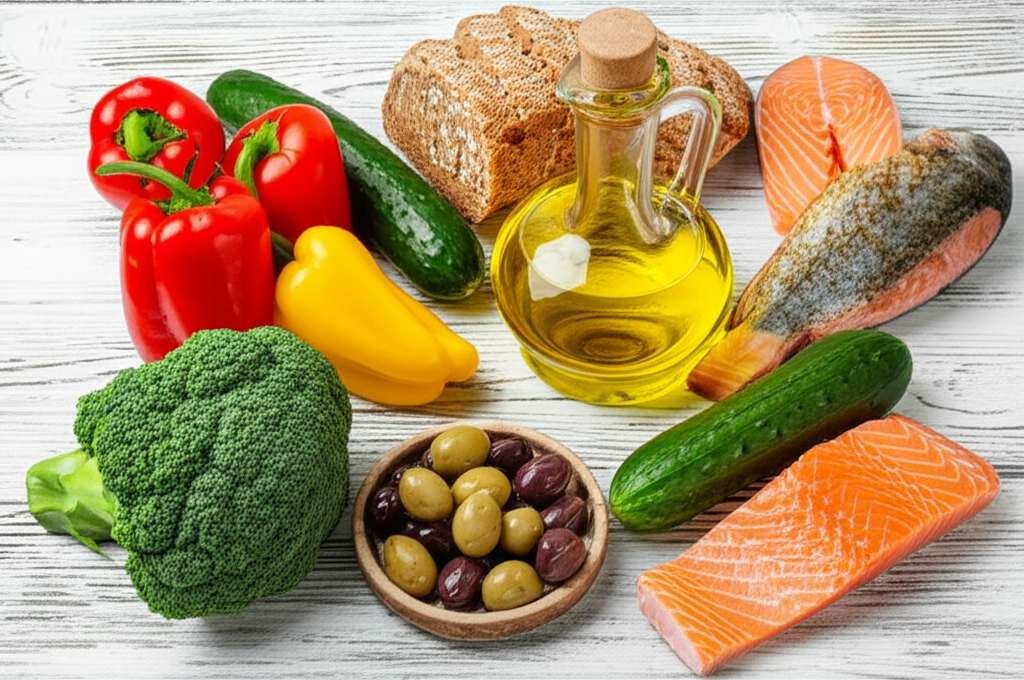
The core idea is to eat mostly plant-based foods, with plenty of fruits, vegetables, whole grains, legumes (beans and lentils), nuts, and seeds. Olive oil is your go-to healthy fat. Fish and poultry are eaten in moderation, while red meat and sweets are enjoyed only occasionally.
It’s not just about what you eat, but how you eat. This diet encourages savoring meals, sharing food with loved ones, and staying physically active. It’s a holistic approach to well-being.
Why Choose a Mediterranean Diet Meal Plan?
The Mediterranean diet isn’t just a trend; it’s backed by science for its amazing health benefits. It’s a fantastic choice for beginners because it’s flexible, satisfying, and focuses on creating sustainable healthy habits.
Here are some key reasons why it’s a smart choice:
- Heart Health: Studies show it can significantly improve heart health by lowering blood pressure and reducing bad cholesterol. The American Heart Association highlights its positive impact on cardiovascular wellness.
- Weight Management: While not a “diet” in the restrictive sense, the focus on whole foods and healthy fats can help you feel fuller for longer, naturally supporting weight management without feeling deprived.
- Disease Prevention: It’s linked to a lower risk of type 2 diabetes, certain cancers, and neurodegenerative diseases like Alzheimer’s.
- Simplicity and Enjoyment: Unlike many fad diets, it emphasizes delicious, flavorful foods that are readily available. It’s about enjoying your meals!
- Sustainability: Because it’s so enjoyable and adaptable, it’s easier to stick with long-term, making it a true lifestyle change rather than a temporary fix.
The Pillars of a Mediterranean Diet Meal Plan
At its heart, the Mediterranean diet is built on a foundation of delicious, nutrient-rich foods. Understanding these core components will make planning your meals a breeze.
Embrace These Foods Daily:
These are the stars of your plate, forming the bulk of your meals:
- Fruits and Vegetables: Load up on a rainbow of seasonal produce. Think berries, apples, oranges, leafy greens, tomatoes, broccoli, bell peppers, and zucchini. Aim for at least 5 servings a day.
- Whole Grains: Choose these over refined grains. Examples include whole wheat bread and pasta, brown rice, quinoa, oats, barley, and farro.
- Healthy Fats: Olive oil is king! Use it for cooking, dressings, and drizzling. Other great sources include avocados, nuts (almonds, walnuts), and seeds (chia, flax, sunflower).
- Legumes: Beans, lentils, chickpeas, and peas are fantastic sources of protein and fiber.
Enjoy These in Moderation:
These foods are part of the diet but should be eaten more often than less frequently.
- Fish and Seafood: Aim for at least two servings per week, especially fatty fish like salmon, mackerel, and sardines, which are rich in omega-3 fatty acids.
- Poultry: Chicken and turkey are good lean protein sources.
- Dairy: Yogurt and cheese are typically consumed in moderate amounts, often as part of meals rather than large portions.
Limit These Foods:
These are foods to enjoy sparingly, making them occasional treats rather than staples.
- Red Meat: Limit to a few times a month.
- Sweets and Added Sugars: Desserts, sugary drinks, and processed snacks should be occasional indulgences.
- Refined Grains: White bread, white pasta, and white rice are less nutritious than their whole-grain counterparts.
- Highly Processed Foods: Packaged snacks, fast food, and ready-made meals are generally low in nutrients and high in unhealthy fats, sugar, and salt.
Building Your Mediterranean Diet Meal Plan: A Step-by-Step Guide
Ready to put this into practice? Creating a Mediterranean diet meal plan is simpler than you might think. Let’s break it down into easy steps.
Step 1: Stock Your Kitchen Wisely
The first step is to fill your pantry and fridge with the right ingredients. Think of it as setting yourself up for success!
Must-Haves:
- Oils: Extra virgin olive oil is essential.
- Grains: Whole wheat pasta, brown rice, quinoa, oats.
- Legumes: Canned or dried beans, lentils, chickpeas.
- Nuts & Seeds: Almonds, walnuts, sunflower seeds, chia seeds.
- Produce: A variety of fresh or frozen fruits and vegetables.
- Herbs & Spices: Garlic, onion, basil, oregano, rosemary, cumin, paprika, etc.
- Proteins: Canned tuna/sardines, eggs, plain yogurt, cheese (feta, parmesan), chicken, fish.
Tips for Shopping:
- Shop the perimeter of the grocery store first, where fresh produce, meats, and dairy are usually located.
- Buy dried legumes and cook them yourself – it’s cheaper and you control the sodium.
- Opt for whole-grain versions of bread, pasta, and crackers.
Step 2: Plan Your Meals
A little planning goes a long way. Think about your typical week and what meals you’ll need to prepare.
Weekly Meal Planning Approach:
- Look at your schedule: Are you busy on Tuesdays? Plan a quick meal or leftovers.
- Choose your proteins: Decide which days you’ll have fish, poultry, or plant-based protein like lentils.
- Build around vegetables: Pick 2-3 vegetables for each main meal.
- Don’t forget whole grains: Add a side of brown rice, quinoa, or a slice of whole-grain bread.
- Healthy fats: Drizzle olive oil, add a sprinkle of nuts, or slice some avocado.
- Breakfast and Snacks: Keep these simple with yogurt and fruit, or a handful of nuts.
Step 3: Prep Your Ingredients
This is a game-changer for busy weeks! Spend a little time on the weekend prepping ingredients.
Prep Ideas:
- Wash and chop vegetables for salads and stir-fries.
- Cook a batch of quinoa or brown rice.
- Hard-boil eggs for quick snacks or salads.
- Roast a whole chicken or some vegetables.
- Portion out nuts and seeds for snacks.
Step 4: Cook and Enjoy!
Now for the best part – cooking and eating delicious, healthy meals!
Cooking Tips:
- Use olive oil for sautéing, roasting, and grilling.
- Flavor your food with herbs, spices, garlic, and lemon juice instead of relying heavily on salt.
- Experiment with different cooking methods like baking, steaming, grilling, and roasting.
Sample 3-Day Mediterranean Diet Meal Plan
To give you a concrete idea, here’s a sample meal plan. Remember, this is just a template – feel free to swap out foods based on your preferences and what’s in season!
Day 1
| Meal | Description |
|---|---|
| Breakfast | Greek yogurt with berries, a drizzle of honey, and a sprinkle of walnuts. |
| Lunch | Large salad with mixed greens, cucumber, tomatoes, olives, chickpeas, grilled chicken breast, and a lemon-olive oil vinaigrette. |
| Dinner | Baked salmon with roasted asparagus and quinoa. Seasoned with lemon and herbs. |
| Snack | An apple with a small handful of almonds. |
Day 2
| Meal | Description |
|---|---|
| Breakfast | Oatmeal made with water or milk, topped with sliced banana, chia seeds, and a few chopped pecans. |
| Lunch | Lentil soup with a side of whole-grain bread and a small side salad. |
| Dinner | Whole wheat pasta with marinara sauce, loaded with vegetables like zucchini, bell peppers, and spinach. Topped with a sprinkle of parmesan cheese. |
| Snack | A small bowl of mixed fruit. |
Day 3
| Meal | Description |
|---|---|
| Breakfast | Scrambled eggs with spinach and tomatoes, served with a slice of whole-grain toast and a drizzle of olive oil. |
| Lunch | Tuna salad (made with olive oil or Greek yogurt instead of mayonnaise) served in a whole wheat pita with lettuce and tomato. |
| Dinner | Chicken and vegetable skewers (peppers, onions, cherry tomatoes, zucchini) grilled and served with a side of couscous. |
| Snack | A small container of plain Greek yogurt. |
Tips for Beginners Starting a Mediterranean Diet Meal Plan
Starting something new can feel a little overwhelming, but don’t worry! The Mediterranean diet is very forgiving. Here are some tips to make your transition smooth and enjoyable.
- Start Small: You don’t have to change everything overnight. Begin by incorporating one or two Mediterranean-style meals per week, or focus on swapping out unhealthy snacks for fruits and nuts.
- Focus on Addition, Not Restriction: Instead of thinking about what you can’t eat, focus on all the delicious foods you can enjoy. Add more vegetables to your plate, try a new type of fish, or experiment with different herbs and spices.
- Hydrate Well: Drink plenty of water throughout the day. Herbal teas and coffee are also fine in moderation.
- Move Your Body: Physical activity is a key part of the Mediterranean lifestyle. Aim for at least 150 minutes of moderate-intensity exercise per week, like brisk walking, cycling, or swimming. Find activities you genuinely enjoy!
- Be Patient and Kind to Yourself: There will be days when you don’t follow the plan perfectly. That’s okay! The goal is progress, not perfection. Just get back on track with your next meal.
- Explore Recipes: The internet is full of amazing Mediterranean recipes. Websites like the Mediterranean Diet offer a wealth of inspiration for breakfasts, lunches, dinners, and snacks.
Mediterranean Diet Meal Plan: Frequently Asked Questions (FAQ)
Here are some common questions beginners have about the Mediterranean diet meal plan.
What are the main benefits of the Mediterranean diet?
The main benefits include improved heart health, better weight management, a lower risk of chronic diseases like type 2 diabetes and certain cancers, and enhanced brain function. It also promotes a generally healthier and more enjoyable lifestyle.
Is the Mediterranean diet good for weight loss?
Yes, it can be very effective for weight loss. While it’s not a restrictive diet, the focus on whole, filling foods like vegetables, fruits, lean proteins, and healthy fats helps you feel satisfied, which can naturally lead to consuming fewer calories.
Do I have to give up pasta and bread?
Not at all! The Mediterranean diet emphasizes whole grain versions of pasta and bread. These provide more fiber and nutrients than their refined white counterparts, making them a healthy part of your meal plan.
How much olive oil should I use?
Olive oil is a primary source of healthy fats. Use it generously as your main cooking oil, in salad dressings, and for drizzling over vegetables or dips. A good guideline is 2-4 tablespoons per day, but this can vary based on individual needs and activity levels.
Can I eat red meat on the Mediterranean diet?
Red meat is typically consumed in moderation, perhaps only a few times a month. The diet prioritizes lean proteins like fish, poultry, and plant-based sources like legumes over red meat.
What are some easy Mediterranean snacks?
Easy and healthy Mediterranean snacks include a handful of nuts (almonds, walnuts), fresh fruit (apples, oranges, berries), plain Greek yogurt, a small portion of cheese with olives, or vegetable sticks (carrots, cucumber, bell peppers) with hummus.
Is this diet expensive to follow?
It doesn’t have to be! While some ingredients like fresh fish can be pricier, many staples like beans, lentils, whole grains, and seasonal vegetables are very affordable. Buying in bulk and cooking from scratch can significantly reduce costs. For more insights on budget-friendly healthy eating, resources like MyPlate.gov offer great tips.
Conclusion
Embarking on a Mediterranean diet meal plan is a journey towards a healthier, more vibrant you. It’s a delicious and sustainable way to nourish your body, focusing on the simple pleasures of wholesome foods and an active lifestyle.
By embracing fruits, vegetables, whole grains, healthy fats, and lean proteins, you’re not just eating for today, but investing in your long-term well-being. Remember, it’s about progress, not perfection. Start with small, manageable changes, enjoy the process of discovering new flavors, and be patient with yourself.
This guide has provided you with the essential knowledge to build your own Mediterranean diet meal plan. You have the tools to stock your kitchen, plan your meals, and make healthy choices that feel good and taste great. So go ahead, get cooking, and savor the delicious benefits of the Mediterranean way of life!
As an Amazon Associate, We earn from qualifying purchases. When you purchase a product through Amazon links on pulsefitguide.com, we may earn a small commission at no extra cost to you. This helps support the site and keep our content free.