
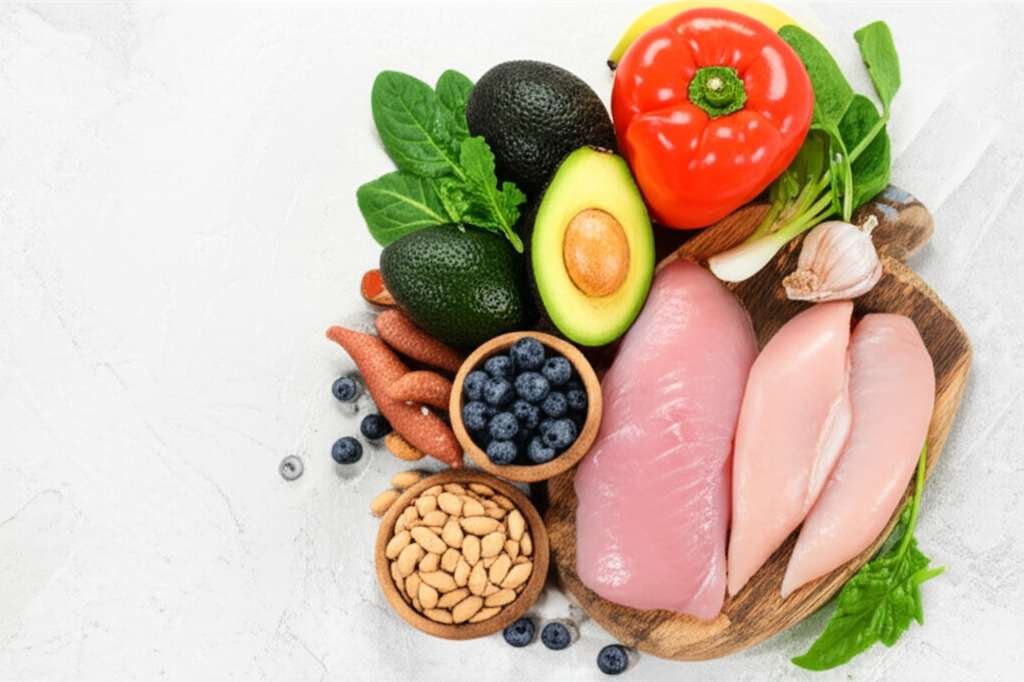
How long to lose weight with a fatty liver diet? Expect to see results in 3-6 months with consistent lifestyle changes, focusing on healthy eating and gradual weight loss. The exact timeline varies, but a dedicated approach can significantly improve your liver health and overall well-being.
So, you’ve been told you have a fatty liver, and now you’re wondering about weight loss. It’s totally normal to feel a bit overwhelmed or confused about where to start! Many people find that losing weight is tricky, especially when dealing with a health condition like fatty liver.
But here’s the good news: you absolutely can make a difference. This guide is designed to break down exactly what a fatty liver diet means and how long you might expect to see changes. We’ll walk through it step-by-step, keeping things simple and practical.
Ready to take control and feel better? Let’s dive in and discover how a healthy diet can help your liver and your waistline.
Understanding Fatty Liver and Weight Loss

Fatty liver disease, often called hepatic steatosis, happens when too much fat builds up in your liver. It’s a common condition, and it can sometimes lead to more serious liver problems if not managed. One of the most effective ways to tackle fatty liver is through lifestyle changes, and weight loss is a big part of that.
Losing even a small amount of weight, around 5-10% of your body weight, can make a huge difference for your liver. It can help reduce fat in the liver, decrease inflammation, and improve liver function. This isn’t about crash diets; it’s about making sustainable, healthy choices that benefit your whole body.
How Long Does It Take to Lose Weight with a Fatty Liver Diet?
This is the million-dollar question, and the honest answer is: it varies. There’s no magic number because everyone’s body is different. Factors like your starting weight, how much weight you need to lose, your metabolism, and how strictly you follow the diet all play a role.
However, for most people, you can start to see positive changes in your liver health and experience noticeable weight loss within 3 to 6 months of consistently following a fatty liver-friendly diet and lifestyle. This timeframe allows for gradual, healthy weight loss, which is crucial for long-term success and preventing the fat from returning to your liver.
The Role of a Healthy Diet
A diet for fatty liver is essentially a healthy eating plan focused on whole, unprocessed foods. It’s designed to reduce inflammation, manage blood sugar, and promote weight loss. Think of it as a delicious way to nourish your body and help your liver heal.
This type of diet emphasizes:
- Lean proteins
- Plenty of fruits and vegetables
- Whole grains
- Healthy fats
- Limiting sugary drinks and processed foods
Patience and Consistency are Key
It’s important to be patient with yourself. Rapid weight loss can sometimes be hard on the body and isn’t usually sustainable. A steady, gradual weight loss of 1-2 pounds per week is the healthiest approach. This consistent effort over several months will yield the best results for both your weight and your liver health.
What Does a Fatty Liver Diet Look Like?
The core of managing fatty liver disease through diet is adopting an eating pattern that is nutrient-dense and calorie-conscious. The goal is to reduce the fat accumulation in the liver and improve its function. This involves making smart food choices and avoiding those that can contribute to the problem.
Foods to Embrace
Focus on whole, unprocessed foods that provide essential nutrients and fiber. These foods help you feel full, manage blood sugar, and support overall health.
- Fruits and Vegetables: Aim for a variety of colors. They are packed with vitamins, minerals, antioxidants, and fiber. Examples include berries, apples, spinach, broccoli, carrots, and sweet potatoes.
- Whole Grains: Choose these over refined grains. They offer more fiber and nutrients. Good choices are oats, quinoa, brown rice, barley, and whole-wheat bread.
- Lean Proteins: Essential for building and repairing tissues. Opt for fish, chicken breast (without skin), turkey, beans, lentils, and tofu.
- Healthy Fats: These are important for hormone production and nutrient absorption. Include avocados, nuts, seeds (like chia and flax seeds), and olive oil in moderation.
- Low-Fat Dairy or Alternatives: If you consume dairy, choose skim or low-fat options. Unsweetened plant-based milks like almond or soy milk are also good choices.
Foods to Limit or Avoid
Certain foods can contribute to fat buildup in the liver and hinder weight loss efforts. Reducing these is crucial for improving liver health.
- Sugary Drinks: Sodas, fruit juices with added sugar, and sweetened teas can lead to significant calorie intake and fat accumulation.
- Processed Foods: Packaged snacks, fast food, processed meats, and ready-made meals are often high in unhealthy fats, sugar, and sodium.
- Refined Grains: White bread, white pasta, and white rice are stripped of their fiber and nutrients, leading to quicker blood sugar spikes.
- Saturated and Trans Fats: Found in fatty cuts of meat, butter, full-fat dairy, fried foods, and many baked goods, these can worsen liver fat.
- Excessive Alcohol: While not directly part of a food diet, alcohol is a major contributor to liver damage and should be avoided or severely limited.
Creating Your Personalized Fatty Liver Diet Plan
Building a diet plan doesn’t have to be complicated. It’s about making small, manageable changes that you can stick with. Here’s a simple approach to get you started:
Step 1: Assess Your Current Eating Habits
Before making changes, understand what you’re currently eating. Keep a food diary for a few days. Note down everything you eat and drink, and when. This helps identify patterns and areas where you can improve.
Step 2: Set Realistic Goals
Instead of aiming for drastic changes, set small, achievable goals. For example:
- “I will eat one extra serving of vegetables each day.”
- “I will swap my sugary morning coffee for black coffee or tea.”
- “I will drink water instead of soda with lunch.”
Step 3: Plan Your Meals
Planning ahead can prevent impulse unhealthy choices. Try to plan your meals and snacks for a few days or a week. This ensures you have healthy options readily available.
Here’s a sample meal structure to give you an idea:
| Meal | Breakfast Ideas | Lunch Ideas | Dinner Ideas | Snack Ideas |
|---|---|---|---|---|
| Monday | Oatmeal with berries and a sprinkle of nuts | Large salad with grilled chicken breast and olive oil vinaigrette | Baked salmon with roasted broccoli and quinoa | Apple slices with a small handful of almonds |
| Tuesday | Scrambled eggs with spinach and whole-wheat toast | Lentil soup with a side of whole-grain crackers | Chicken stir-fry with brown rice and mixed vegetables (use soy sauce or tamari sparingly) | Greek yogurt (low-fat) with a few berries |
| Wednesday | Smoothie with spinach, banana, protein powder, and almond milk | Tuna salad (made with Greek yogurt instead of mayo) on whole-wheat bread with a side salad | Lean turkey meatballs with zucchini noodles and a light tomato sauce | A pear or an orange |
Step 4: Hydrate Wisely
Water is your best friend! It helps with metabolism, digestion, and feeling full. Aim for at least 8 glasses of water a day. Limit sugary drinks, as they add empty calories and can negatively impact your liver.
Step 5: Incorporate Physical Activity
While this article focuses on diet, remember that exercise is a powerful partner. Regular physical activity helps burn calories, build muscle, and improve insulin sensitivity, all of which benefit liver health and weight loss. Aim for at least 150 minutes of moderate-intensity aerobic exercise per week, like brisk walking or cycling.
How Long Until I See Results? Breaking Down the Timeline
The journey to better liver health and weight loss is a marathon, not a sprint. Understanding the typical timeline can help you stay motivated.
Initial Changes (First 1-4 Weeks)
In the first few weeks, you might start feeling better overall. You may notice increased energy levels and a reduction in bloating. Some people experience a slight drop in weight as they cut out processed foods and excess sugar. Your body is starting to adjust to healthier fuel.
Noticeable Progress (1-3 Months)
This is when you’ll likely start seeing more significant changes.
- Weight Loss: Consistent adherence to the diet should lead to a steady weight loss of 1-2 pounds per week, meaning you could lose 4-8 pounds per month.
- Liver Enzymes: Your doctor might start seeing improvements in your liver enzyme levels during check-ups.
- Clothing Fit: You might notice your clothes fitting more loosely.
Significant Improvements (3-6 Months)
By the three to six-month mark, the positive effects can become quite pronounced.
- Substantial Weight Loss: You could have lost anywhere from 12 to 24 pounds or more, depending on your starting point and consistency.
- Improved Liver Health: Studies show that significant fat reduction in the liver can occur within this timeframe with consistent lifestyle changes. For instance, research published in journals like the National Institutes of Health (NIH) has highlighted the impact of diet and exercise on non-alcoholic fatty liver disease (NAFLD).
- Better Energy and Well-being: You’ll likely feel more energetic, healthier, and more confident.
Long-Term Maintenance (6+ Months)
After achieving your initial goals, the focus shifts to maintaining your healthy weight and liver health. This involves continuing the healthy eating habits you’ve developed and staying active. Long-term success is about making these changes a permanent part of your lifestyle.
Factors Influencing Weight Loss Speed
Several factors can affect how quickly you lose weight and improve your liver health. Understanding these can help you adjust your approach.
Metabolism
Your metabolism is the rate at which your body burns calories. It’s influenced by age, genetics, muscle mass, and activity levels. A faster metabolism means you’ll burn more calories, potentially leading to quicker weight loss.
Starting Weight and Amount of Weight to Lose
If you have more weight to lose, you might see faster initial weight loss numbers. However, the percentage of body weight lost is more critical for liver health than the absolute number. Losing 5-10% of your body weight is the target.
Dietary Adherence
The biggest influencer is how consistently you stick to the diet. Occasional slip-ups are normal, but frequent deviations will slow down your progress.
Physical Activity Level
Combining a healthy diet with regular exercise significantly speeds up weight loss and improves overall health markers, including liver function.
Underlying Health Conditions
Other health issues, like thyroid problems or insulin resistance, can affect weight loss. It’s important to discuss these with your doctor.
When to Seek Professional Help
While this guide offers a lot of information, remember that your health journey is unique. It’s always a good idea to consult with healthcare professionals.
Your Doctor
Before starting any new diet or exercise program, especially if you have a fatty liver condition, talk to your doctor. They can assess your overall health, provide personalized advice, and monitor your progress. They can also help determine if your fatty liver is related to other conditions like diabetes or high cholesterol.
Registered Dietitian (RD) or Nutritionist
A registered dietitian can be an invaluable resource. They can help you create a personalized meal plan that fits your dietary needs, preferences, and lifestyle. They can also provide ongoing support and education to help you achieve your weight loss and health goals. You can find accredited dietitians through organizations like the Academy of Nutrition and Dietetics.
Frequently Asked Questions About Fatty Liver Diet and Weight Loss
Q1: Can I reverse fatty liver disease with diet alone?
Yes, in many cases, fatty liver disease, especially non-alcoholic fatty liver disease (NAFLD), can be reversed or significantly improved through diet and lifestyle changes. Losing weight, eating a healthy diet, and exercising are key to reducing fat in the liver.
Q2: How much weight do I actually need to lose for my liver?
Losing just 5-10% of your total body weight can make a significant positive impact on your liver. For example, if you weigh 200 pounds, losing 10-20 pounds can start to improve your liver health.
Q3: Is it safe to lose weight quickly with fatty liver?
It’s generally not recommended to lose weight very quickly (e.g., more than 2 pounds per week) when you have fatty liver. Rapid weight loss can sometimes put stress on the liver and may even temporarily worsen liver enzymes. A gradual, steady weight loss is safer and more sustainable.
Q4: Can I still eat fruits if I have fatty liver?
Absolutely! Fruits are a vital part of a healthy diet. They are rich in fiber, vitamins, and antioxidants. Focus on whole fruits rather than fruit juices, and enjoy them as part of a balanced diet. The natural sugars in whole fruits are processed differently by the body compared to added sugars.
Q5: What about carbs? Should I cut out all carbohydrates?
No, you don’t need to cut out all carbohydrates. The key is to choose complex, whole-grain carbohydrates over refined ones. Whole grains like oats, quinoa, and brown rice provide fiber and nutrients that are beneficial. Limit refined carbs like white bread, white pasta, and sugary snacks.
Q6: How long does it take for the liver to heal?
The liver has a remarkable ability to regenerate. With consistent healthy lifestyle changes, many people see improvements in liver fat and inflammation within 3-6 months. However, complete healing can take longer, and the extent of healing depends on the severity of the fatty liver disease and how well it’s managed.
Conclusion: Your Path to a Healthier Liver and Body
Embarking on a journey to manage fatty liver disease through diet and weight loss is a powerful step towards a healthier life. While the exact timeline for seeing results can vary, consistency with a balanced, nutrient-rich diet and a focus on gradual weight loss will pave the way for significant improvements.
Remember, the goal isn’t just to lose weight, but to nourish your body, support your liver’s function, and build sustainable healthy habits. By making smart food choices, staying active, and being patient with the process, you are actively contributing to your well-being.
Celebrate the small victories along the way – a healthier meal chosen, an extra glass of water, a more active day. These steps add up to big changes over time. You’ve got this!
As an Amazon Associate, We earn from qualifying purchases. When you purchase a product through Amazon links on pulsefitguide.com, we may earn a small commission at no extra cost to you. This helps support the site and keep our content free.