

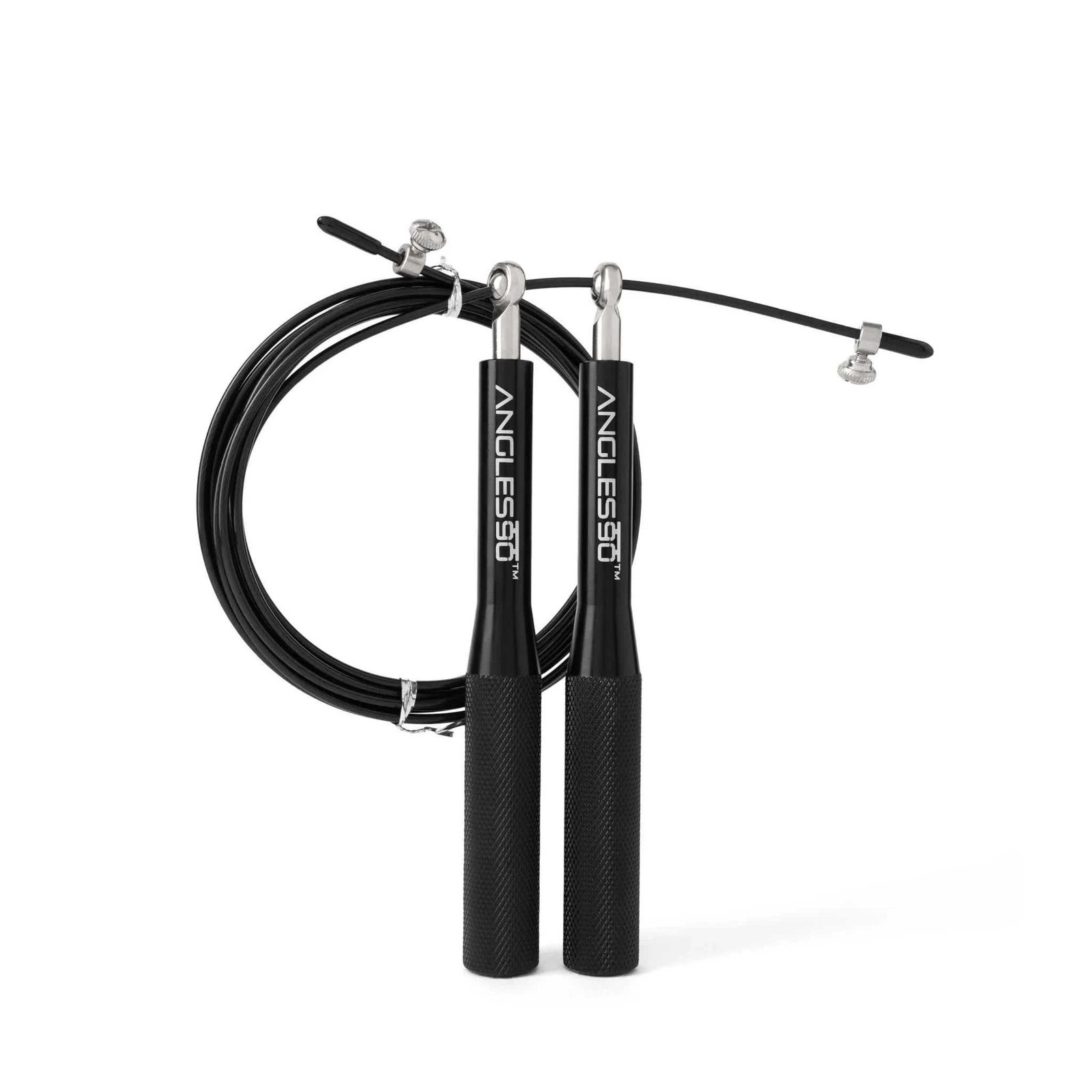
Jump rope workouts are a fun and effective way to boost your heart health and improve coordination in just a matter of minutes. They can be easily incorporated into your daily routine and suited for all fitness levels — from beginners to seasoned athletes. Whether you’re looking to burn calories, enhance your agility, or simply add some variety to your workouts, jump roping offers a versatile solution. In this article, you’ll discover how to use jump rope exercises to elevate your cardio fitness and fine-tune your coordination, making your workouts more engaging and results-driven.
Jump rope workouts are an excellent way to combine cardio and coordination training in one session, helping you burn calories while sharpening your motor skills. Even a few minutes of jumping each day can yield significant benefits, improving overall fitness and athleticism. Keep reading to learn simple, effective routines you can start today to transform your fitness journey.

Jump Rope Workouts for Cardio and Coordination
Why Jump Rope is an Excellent Cardio Exercise
Jump rope workouts are a fantastic way to boost your heart health. They get your blood pumping and help improve your endurance quickly. Because jumping rope is a high-intensity activity, it burns calories fast and supports weight loss.
You can do jump rope exercises anywhere, whether indoors or outdoors, making it a versatile workout choice. Plus, it’s simple to learn and requires minimal equipment. All you need is a jump rope and a small amount of space to get started.
Benefits of Jump Rope for Improving Coordination
Jumping rope challenges your balance and timing. As you practice, you’ll notice better control over your body movements. It helps develop your hand-eye coordination because you need to time your jumps perfectly with the rotation of the rope.
This improved coordination can carry over to other sports and daily activities. It also makes your brain work harder, sharpening your focus and reaction time.
Getting Started with Jump Rope Workouts
Before jumping into intense routines, it’s important to prepare your body. Start with a few minutes of light stretching to loosen your muscles. Make sure you wear comfortable athletic shoes that give good support.
Choose a flat, open space where you won’t trip over obstacles or hit objects. Begin with basic jump rope exercises to build your confidence and skill level.
Choosing the Right Jump Rope
The size of your jump rope matters for comfort and efficiency. To find the correct length, stand on the middle of the rope and pull the handles up to your armpits. The handles should reach your chest or shoulders.
Pick a rope with comfortable, non-slip handles. Adjustable ropes are excellent because you can customize the length as you progress.
Basic Jump Rope Techniques
Starting with simple jumps helps build a solid foundation. Focus on keeping your feet close together and jumping on the balls of your feet. Try to keep your elbows close to your body and rotate the rope with your wrists, not your arms.
Maintain a steady rhythm and practice breathing evenly. Once you’re comfortable, you can introduce variations to keep things interesting.
Single Jumps
This is the most common jump rope technique. Jump once for each turn of the rope. Keep your jumps quick and light. Focus on landing softly to reduce impact on your joints.
Alternate Foot Jumps
Here, you jump from one foot to the other, mimicking a skipping motion. This variation increases the workout’s intensity and improves your balance.
It’s perfect for golf, running, or other sports where footwork is important.
Double Unders
Double unders involve turning the rope twice under your feet with a single jump. This move requires more speed and coordination. Practice slowly and gradually increase the pace to master double unders.
Jump Rope Workout Routines for Cardio and Coordination
Creating a balanced workout plan involves combining different jump rope techniques. Here are some sample routines suitable for beginners and advanced exercisers.
Beginner Routine
- Warm-up: 3 minutes of light jumping or marching in place
- Single Jumps: 2 minutes at a steady pace
- Rest: 30 seconds
- Alternate Foot Jumps: 2 minutes
- Rest: 30 seconds
- Jumping in Place: 1 minute
- Cool-down: 3 minutes of stretching
Repeat this circuit twice for a full workout.
Intermediate Routine
- Warm-up: 5 minutes of light jumping
- Single Jumps: 3 minutes, quick pace
- Rest: 15 seconds
- Double Unders: 1 minute
- Rest: 30 seconds
- Alternate Foot Jumps: 3 minutes
- Rest: 30 seconds
- Side Swings or Crossovers: 2 minutes (for coordination)
- Cool-down: 5 minutes of stretching
Advanced Routine
- Warm-up: 5 minutes, including dynamic stretches
- Double Unders: 2 minutes
- Rest: 15 seconds
- Side Swings and Crossovers: 2 minutes
- Rest: 15 seconds
- High-Speed Jumps: 3 minutes
- Rest: 30 seconds
- Freestyle and Double Jumps: 2 minutes
- Cool-down: 5 minutes of stretching
Tips to Maximize Your Jump Rope Workouts
To get the most benefits, keep these tips in mind. Stay consistent with your workouts, aiming for at least three sessions per week. Vary your exercises to challenge different muscles and improve coordination.
Maintain good posture by keeping your back straight and shoulders relaxed. Focus on light landings to minimize joint stress. Keep your core engaged to stabilize your body during jumps.
Tracking Your Progress and Setting Goals
Use a fitness journal or app to log your workouts. Record durations, techniques, and how you feel after each session. Setting specific goals, like jumping rope for 10 minutes nonstop or mastering double unders, keeps you motivated.
Gradually increase workout intensity or duration as your skills improve. Celebrating small milestones builds confidence and encourages consistency.
Combining Jump Rope with Other Exercises
Jump rope workouts can be integrated into a larger fitness routine. Combine them with strength training, stretching, or other cardio activities for a balanced program. Consider doing jump rope as a warm-up or cooldown for your other workouts.
Adding different exercises prevents boredom and challenges your body in new ways. For example, alternate jump rope routines with bodyweight exercises like push-ups or squats.
Safety Considerations and Common Mistakes
Always listen to your body and avoid overtraining. Use proper footwear and ensure your workout space is free of obstacles. Avoid jumping on hard surfaces that can increase impact.
Common mistakes include jumping too high, which wastes energy and stresses your joints, or using a jump rope that’s too long or short. Practice patience as your coordination improves, and don’t get discouraged by initial difficulty.
Jump rope workouts offer a simple, effective way to improve both cardiovascular health and body coordination. By choosing the right techniques and routines, you can build endurance, burn calories, and develop better balance. Regular practice not only makes you fitter but also enhances your brain’s coordination skills. Whether you’re a beginner or an advanced athlete, integrating jump rope exercises into your fitness plan can bring noticeable benefits in a fun and manageable way. Keep challenging yourself with new routines, track your progress, and enjoy the journey toward a healthier, more coordinated body.
15 MIN JUMP ROPE HIIT (Full Body Cardio Workout)
Frequently Asked Questions
How can jump rope workouts improve overall cardiovascular health?
Jump rope workouts increase your heart rate quickly and consistently, which boosts cardiovascular endurance. Regularly jumping helps strengthen the heart muscles, improve circulation, and lower blood pressure. These benefits contribute to better overall heart health and reduced risk of cardiovascular diseases.
What techniques can help enhance coordination through jump rope exercises?
To improve coordination, focus on maintaining a steady rhythm and timing your jumps with the rope’s rotation. Incorporate various footwork patterns gradually, such as alternating feet or cross-overs. Practicing in front of a mirror can help you observe your form and make adjustments, leading to better balance and coordination over time.
What are some effective beginner-friendly jump rope routines for building endurance?
Start with short sessions of 1-2 minutes of continuous jumping, followed by rest periods. Gradually increase the duration as your endurance improves. Basic jump techniques like two-foot jumps and alternating foot jumps are ideal for beginners. Consistency is key—perform these routines three to four times a week to see steady progress.
How can adjusting jump rope intensity benefit different fitness goals?
Lower intensity workouts help build foundational endurance and improve coordination, suitable for beginners or active recovery days. Increasing the speed or incorporating high knees and double unders elevates the workout’s intensity, aiding in calorie burning, muscle toning, and cardiovascular conditioning. Tailor the intensity based on your specific fitness objectives.
What safety tips should I follow during jump rope workouts for effective training?
Choose a flat, non-slip surface to prevent accidents. Wear supportive athletic shoes that cushion your landings. Warm up before starting to prepare your muscles and reduce injury risk. Maintain proper posture by keeping your elbows close to your sides and jumping with slight knee bend. Stay hydrated and listen to your body to avoid overexertion.
Final Thoughts
Jump rope workouts for cardio and coordination boost endurance and improve motor skills efficiently. They are simple, accessible, and perfect for fitting into busy schedules. Consistent practice enhances balance, agility, and overall fitness. Incorporating these routines keeps workouts engaging and effective, making them a valuable addition to any fitness plan.
As an Amazon Associate, We earn from qualifying purchases. When you purchase a product through Amazon links on pulsefitguide.com, we may earn a small commission at no extra cost to you. This helps support the site and keep our content free.