

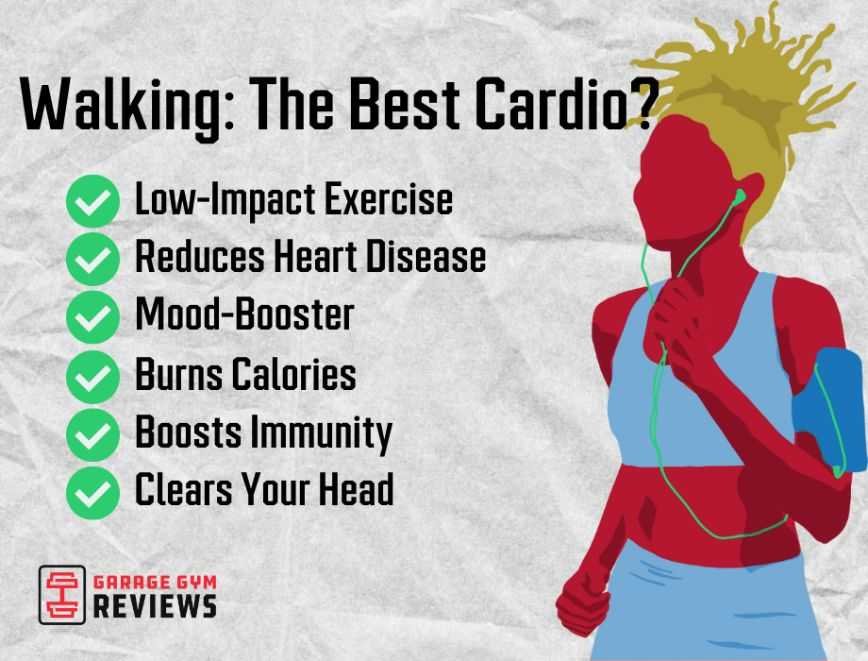
Yes, walking is excellent cardio that benefits your heart, lungs, and overall health. It’s a simple, accessible way to boost your fitness levels without needing special equipment or gym memberships. Whether you’re a beginner or looking for a low-impact exercise, walking can be easily incorporated into your daily routine for sustained cardiovascular health.
Walking is one of the most effective and easiest forms of cardio exercise available. It’s low-impact, adaptable, and suitable for almost everyone, making it a popular choice for maintaining and improving heart health. Regular walking can help burn calories, reduce stress, and increase stamina. Its gentle nature makes it ideal for those recovering from injuries or with joint concerns, yet it still provides impressive health benefits. So, yes—walking is definitely a good cardio workout that can seamlessly fit into your busy life.

Is Walking Good Cardio? Exploring the Benefits and Facts
Understanding Cardio Exercise and Its Importance
Cardio exercise, also called aerobic exercise, helps strengthen your heart and lungs. It increases your breathing and heart rate for an extended period. Regular cardio can help improve overall health, boost energy levels, and control weight.
How Walking Fits Into Cardio Activities
Walking is a simple form of cardio that many people can do every day. It requires no special equipment or gym membership. It is accessible to almost everyone, making it a popular choice for maintaining fitness.
The Science Behind Walking As Cardio
When you walk at a brisk pace, your body needs more oxygen. This causes your heart to beat faster, which improves your cardiovascular health. Walking can increase your heart rate to the recommended level for cardiovascular benefits.
What Is Considered Brisk Walking?
Brisk walking typically means walking fast enough to raise your heart rate and make you breathe harder. It is usually around 3 to 4 miles per hour. To get good cardio benefits, aim for a pace that makes talking a little difficult but not impossible.
How Long Should You Walk for Cardio Benefits?
Health experts suggest walking at least 150 minutes each week for health benefits. You can divide this into sessions of 30 minutes, five days a week. Shorter walks are also beneficial if done regularly.
Intensity Matters: Light Versus Moderate Walking
Light walking might include strolling at a relaxed pace, while moderate walking involves a brisk pace. Moderate walking elevates your heart rate and makes you breathe faster, which is ideal for cardio health.
Measuring Your Heart Rate During Walking
To know if your walking is effective, monitor your heart rate. The target zone for moderate cardio exercise is 50 to 70 percent of your maximum heart rate. Use a fitness tracker or manually check your pulse to stay within this range.
Benefits of Walking as Cardio Exercise
Walking offers numerous health benefits, including:
- Improved cardiovascular health
- Better weight management
- Enhanced mood and mental health
- Increased stamina and energy
- Lower risk of chronic diseases such as diabetes and hypertension
Walking Compared to Other Cardio Activities
While activities like running, cycling, or swimming may burn more calories in less time, walking remains a great low-impact option. It is gentler on your joints and suitable for all ages and fitness levels.
Is Walking Enough for Weight Loss?
Walking can contribute significantly to weight loss when combined with healthy eating. Consistency matters more than intensity; walking every day helps burn calories and reduces fat.
The Impact of Walking Speed and Duration on Health
Faster walking burns more calories and elevates heart health more effectively. Longer walks increase endurance and offer extended cardiovascular benefits. Integrating both speed and duration improves overall fitness.
Adding Inclines and Variations for Better Cardio
Walking on hills or inclined surfaces increases intensity and challenges your heart and muscles more. Variations such as interval walking—alternating between fast and slow paces—also enhance cardiovascular benefits.
Walking’s Role in Heart Health and Disease Prevention
Regular walking can reduce the risk of heart disease by lowering blood pressure, improving cholesterol levels, and maintaining healthy blood sugar levels. It also helps prevent obesity, a major risk factor for cardiovascular problems.
Safety Tips for Effective Walking
Ensure proper footwear to avoid injuries. Warm up with a few minutes of slow walking and cool down afterward. Stay hydrated, wear comfortable clothes, and walk in safe, well-lit areas.
Walking as Part of a Holistic Fitness Routine
While walking is excellent cardio, combining it with strength training and flexibility exercises offers a well-rounded fitness program. This approach improves overall health and functional ability.
Potential Limitations of Walking for Cardio
Though beneficial, walking might not be sufficient for advanced athletes or those seeking intense calorie burning. It also may take longer to see rapid fitness results compared to more vigorous activities.
Who Should Consider Walking as Cardio?
Walking suits people of all ages and fitness levels, especially beginners, older adults, or those recovering from injury. It’s an adaptable activity that provides sustainable health improvements.
Creating a Walking Routine That Fits Your Lifestyle
Set realistic goals, choose enjoyable routes, and schedule regular walks. Incorporate walking during breaks, commutes, or family outings to stay consistent and motivated.
Related Topics to Explore
In addition to walking, consider exploring other low-impact cardio options like swimming, cycling, or dancing. Cross-training can improve overall fitness and prevent boredom.
Tracking Progress and Staying Motivated
Use apps or fitness devices to monitor steps, distance, and calories. Celebrate milestones and vary your routes or walking partners to keep the activity engaging.
In summary, walking is an effective and accessible form of cardio exercise. It helps improve heart health, manage weight, and boost mood with minimal risk and investment. Regular walking, at the right intensity and duration, is a valuable addition to a healthy lifestyle.
Why Walking Is The BEST Cardio To Lose Fat
Frequently Asked Questions
Can walking help improve cardiovascular health?
Yes, walking can significantly enhance your cardiovascular health. Regular walking increases your heart rate, promotes better circulation, and helps lower blood pressure and cholesterol levels. Over time, these benefits can reduce the risk of heart disease and stroke. Incorporating brisk walking into your routine several times a week offers a practical and accessible way to support your heart health.
How intense does walking need to be to qualify as good cardio exercise?
To make walking an effective cardio workout, you should walk at a brisk pace that makes you breathe harder but still allows you to hold a conversation. This typically means walking at about 3 to 4 miles per hour. The key is maintaining this pace for at least 30 minutes most days of the week to see cardiovascular benefits.
Is walking enough for someone looking to lose weight through cardio?
Walking can contribute to weight loss, especially when combined with proper diet and other healthy habits. While it may not burn as many calories as more intense exercises, walking is sustainable and can be done regularly without much equipment. Consistent walking increases calorie expenditure and can help create the calorie deficit needed for weight loss over time.
Are there specific techniques or tips to maximize the cardio benefits of walking?
To maximize the cardio benefits of walking, focus on maintaining a brisk pace, swinging your arms naturally, and engaging your core. Incorporate hills or inclines if possible, which increase the intensity. Additionally, wearing proper footwear and maintaining good posture helps prevent injuries and ensures you get the most out of your walks.
Final Thoughts
Walking is an excellent form of cardio that benefits overall health. It’s accessible, requires no special equipment, and fits easily into daily routines.
Regular walking boosts cardiovascular fitness, strengthens muscles, and improves mood.
In conclusion, is walking good cardio? Absolutely, it remains one of the most effective ways to stay active and healthy.
As an Amazon Associate, We earn from qualifying purchases. When you purchase a product through Amazon links on pulsefitguide.com, we may earn a small commission at no extra cost to you. This helps support the site and keep our content free.