
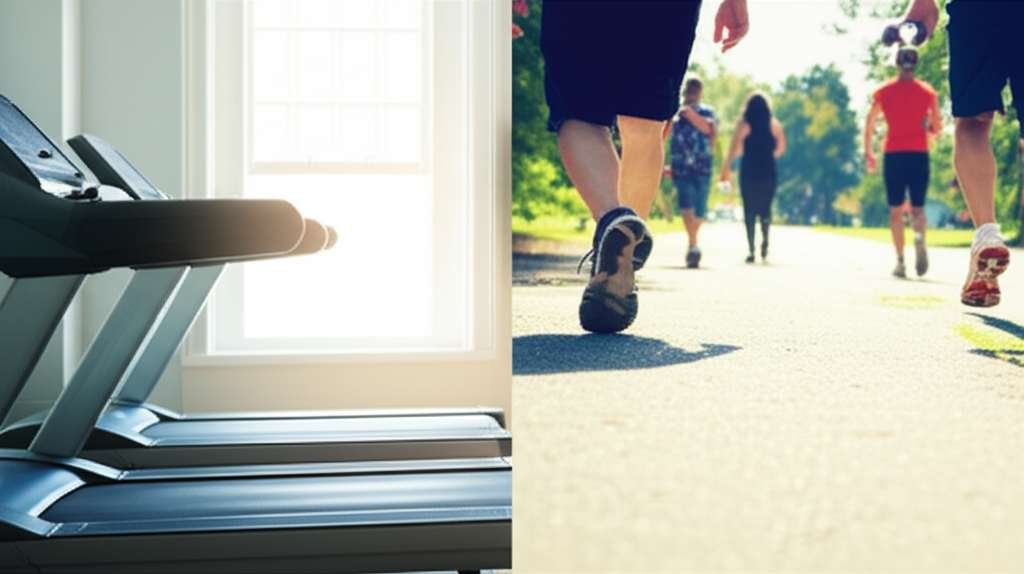
Is Treadmill Better Than Outdoor Walking? It Depends! Both are great for fitness, but the best choice for you hinges on your goals, preferences, and access. This guide breaks down the pros and cons to help you decide.
Walking is a fantastic way to get active, boost your mood, and work towards your health goals. But when you think about where to walk, two main options often come to mind: the great outdoors or the trusty treadmill. It’s a common question, and the answer isn’t always straightforward.

Many people wonder if one is truly superior for burning calories, improving fitness, or losing weight. It can feel confusing when you’re just starting out and want to make the best choice for your body and your busy schedule.
Don’t worry, we’re going to break down exactly what makes each option great. We’ll look at the science behind them, what they’re best for, and how to choose the one that fits your life perfectly.
Let’s dive in and figure out which walking method is your winning ticket to a healthier you!
Treadmill vs. Outdoor Walking: The Big Picture
Choosing between a treadmill and walking outside isn’t about finding a “winner.” It’s about understanding what each offers and how it aligns with your personal fitness journey. Both are powerful tools for improving your health, but they have distinct advantages and disadvantages.
Think of it like choosing between a cozy cafe for a quiet coffee or a bustling park for a lively picnic. Both offer a place to enjoy a drink or a meal, but the experience and benefits are different. The same applies to your walking routine.
We’ll explore the science, the practicalities, and the fun factors of each to help you make an informed decision that keeps you moving and motivated.
Understanding the Treadmill Experience
A treadmill offers a controlled environment for your workout. You set the pace, the incline, and you don’t have to worry about the weather, traffic, or uneven terrain. This predictability can be a huge plus for many people, especially beginners.
The consistent surface and the ability to precisely control your speed and incline allow for very specific training. This makes it easier to track progress and ensure you’re hitting your workout targets every single time.
Pros of Treadmill Walking
Treadmills bring a lot of convenience and control to your walking routine. Here are some of the key benefits:
- Weather-Proof: No matter if it’s raining, snowing, too hot, or too cold outside, your treadmill workout can happen anytime, anywhere. This is a massive advantage for consistency.
- Controlled Environment: You can precisely set your speed, incline, and duration. This allows for very specific training, like interval workouts or hill simulations, which can be great for targeted fitness gains.
- Safety: You avoid hazards like traffic, uneven sidewalks, or dark paths. This makes it a safer option, especially for those who prefer to walk at night or in areas with poor lighting.
- Entertainment Options: Many treadmills have built-in screens or space for tablets, allowing you to watch shows, listen to podcasts, or even join virtual walking routes, making the time fly by.
- Shock Absorption: Treadmill belts are often designed with cushioning, which can be gentler on your joints compared to hard outdoor surfaces like concrete.
Cons of Treadmill Walking
While treadmills are convenient, they do have some drawbacks that might make them less appealing for some.
- Monotony: Walking in the same spot can get boring quickly for some people. The lack of changing scenery can make workouts feel like a chore.
- Less Calorie Burn (Potentially): Because the belt moves beneath you, your body might not work as hard to propel you forward compared to outdoor walking, potentially leading to slightly fewer calories burned at the same perceived effort. However, this is often offset by the ability to control incline and speed more precisely.
- Cost and Space: Treadmills can be expensive and take up a significant amount of space in your home.
- Lack of Natural Movement: You don’t get the same varied muscle engagement as you do when navigating outdoor terrain, which includes slight shifts in balance and ankle movements.
- Boredom & Motivation: Staring at a wall can be demotivating for some. While entertainment helps, it’s not the same as experiencing the real world.
Exploring the Outdoor Walking Experience
Walking outdoors connects you with your environment. You get fresh air, sunshine (or the bracing chill of winter!), and the ever-changing scenery. It’s a sensory experience that can be incredibly invigorating.
The ground beneath your feet is rarely perfectly flat outdoors. This natural variation engages more muscles, improves balance, and can make the workout more dynamic and interesting. Plus, it’s usually free!
Pros of Outdoor Walking
Walking outside offers a wealth of benefits that go beyond just physical fitness.
- Mental Health Boost: Exposure to nature and sunlight can significantly improve mood, reduce stress, and combat feelings of anxiety and depression. The benefits of nature exposure are well-documented.
- Vitamin D: Spending time in the sun allows your body to produce Vitamin D, which is crucial for bone health and immune function.
- Varied Terrain: Hills, slopes, and uneven surfaces work different muscle groups and challenge your balance and proprioception (your body’s sense of its position in space) more effectively.
- Cost-Free: No gym membership or expensive equipment needed. All you need is a good pair of shoes and motivation.
- Sensory Engagement: The sights, sounds, and smells of the outdoors make the experience richer and can be more stimulating than a treadmill.
- Better Calorie Burn (Potentially): Walking uphill, against wind, or over varied terrain can increase calorie expenditure compared to a flat treadmill walk at the same speed.
Cons of Outdoor Walking
Despite its many advantages, outdoor walking isn’t without its challenges.
- Weather Dependency: Bad weather can completely derail your walking plans, leading to missed workouts and decreased consistency.
- Safety Concerns: Depending on your location, you might worry about traffic, crime, or personal safety, especially when walking alone or at certain times of day.
- Uneven Surfaces: While good for muscle engagement, uneven terrain can also pose a risk of trips, falls, or ankle injuries if you’re not careful.
- Pollution and Allergens: In urban areas, you might be exposed to air pollution or pollen, which can be problematic for some individuals.
- No Precise Control: It’s harder to measure exact distance, speed, and incline, making it more challenging to follow specific training plans or track progress with the same precision as a treadmill.
Direct Comparison: Treadmill vs. Outdoor Walking
To make it easier to see the differences, let’s put them side-by-side. This table highlights how each option stacks up in key areas relevant to your fitness goals.
| Feature | Treadmill Walking | Outdoor Walking |
|---|---|---|
| Environment Control | High (Speed, Incline, Duration) | Low (Dependent on surroundings) |
| Weather Independence | Yes | No |
| Safety (Environmental) | High (Controlled) | Variable (Traffic, terrain, etc.) |
| Mental Health Benefits | Moderate (Can be enhanced with entertainment) | High (Nature, sunlight, sensory input) |
| Calorie Burn Potential | High (with incline/speed control) | High (especially on varied terrain) |
| Muscle Engagement | Moderate (Less varied) | High (Varied terrain challenges more muscles) |
| Cost | High (Equipment purchase/gym membership) | Low/Free (Good shoes needed) |
| Convenience | High (At home, anytime) | Variable (Requires leaving home, checking weather) |
| Joint Impact | Moderate (Cushioned belt) | Variable (Surface dependent – concrete harder than trails) |
Which is Better for Weight Loss?
This is the big question for many! When it comes to weight loss, both treadmill and outdoor walking can be incredibly effective. The key factor for weight loss is creating a consistent calorie deficit, meaning you burn more calories than you consume.
Calorie Burn Considerations
While it’s often debated, research suggests that you might burn slightly more calories walking outdoors on varied terrain than on a flat treadmill at the same pace. This is because you’re working against wind resistance, navigating inclines and declines, and your body is making subtle adjustments for balance.
However, treadmills offer a significant advantage: precise control. You can easily set a challenging incline or speed that might be difficult to replicate consistently outdoors. If you use the treadmill’s incline feature effectively, you can definitely achieve a higher calorie burn than a flat outdoor walk.
A study published in the Journal of Strength and Conditioning Research found that walking at a 2% incline on a treadmill can simulate the energy expenditure of walking outdoors on flat ground. Increasing the incline further amplifies calorie burn.
The most important thing for weight loss is consistency. If you’re more likely to stick to your workouts on a treadmill because of convenience or predictability, then that’s where you’ll see the best results. Conversely, if you find outdoor walks more enjoyable and sustainable, that’s your path to success.
Which is Better for Fitness and Health?
Beyond weight loss, both options contribute significantly to overall fitness and health.
Cardiovascular Health
Both treadmill and outdoor walking are excellent for improving cardiovascular health. Regular walking strengthens your heart, lowers blood pressure, and improves circulation. The intensity you achieve is what matters most for these benefits.
Muscle Strength and Endurance
Outdoor walking, especially on varied terrain, engages more stabilizing muscles in your legs, hips, and core. This can lead to better overall functional strength and endurance. Treadmills can build leg strength effectively too, particularly when you utilize the incline feature to mimic hills.
Joint Health
Treadmills, with their cushioned belts, can be gentler on your joints, which is a significant benefit for individuals with pre-existing joint issues or those new to exercise. Outdoor walking surfaces vary greatly; softer trails are generally easier on joints than hard concrete sidewalks.
Mental Well-being
This is where outdoor walking often takes the lead. The exposure to natural light, fresh air, and a changing environment can have profound positive effects on mood and stress levels. Studies have shown that spending time in nature can reduce rumination and improve cognitive function.
Making the Choice: What’s Right for YOU?
The “better” option is the one you’ll actually do consistently. Consider these questions to guide your decision:
- What is your primary goal? (Weight loss, stress relief, general fitness, training for an event?)
- What is your local environment like? (Safe, accessible, pleasant for walking?)
- What is your budget? (Can you afford a treadmill or gym membership, or do you need a free option?)
- What are your personal preferences? (Do you enjoy nature, or do you prefer controlled indoor environments?)
- What is your schedule like? (Do you have time to go outside, or is a treadmill at home more convenient?)
Scenario 1: The Busy Student/Young Adult
For a student or young adult with a packed schedule and potentially limited budget, outdoor walking might be the most practical. It’s free, accessible, and can be squeezed into short breaks between classes or study sessions. Plus, the mental break from screens and studying can be invaluable. If you live in a safe area with nice parks or trails, this is a great option.
Scenario 2: The Weather-Conscious Individual
If you live in an area with unpredictable or harsh weather, or if you simply dislike exercising in the elements, a treadmill is a lifesaver. It guarantees you can get your workout in regardless of what’s happening outside, promoting consistency which is key for any fitness goal.
Scenario 3: The Data-Driven Exerciser
If you love tracking your progress and hitting specific metrics, a treadmill offers unparalleled control. You can precisely monitor your speed, distance, incline, and time, making it easier to follow structured training plans and see tangible improvements.
Scenario 4: The Nature Lover
If your main motivation is to enjoy the outdoors, de-stress, and connect with your surroundings, then outdoor walking is clearly the way to go. The mental health benefits alone can make it the superior choice for your overall well-being.
Maximizing Your Walks: Tips for Both
No matter which you choose, you can enhance your walking experience.
Tips for Treadmill Walking
- Vary Incline: Don’t just walk on a flat surface. Add inclines to increase calorie burn and target different leg muscles. Aim for at least a 1-2% incline to simulate outdoor conditions.
- Use Interval Training: Alternate between higher intensity bursts (faster speed or steeper incline) and recovery periods. This can boost your metabolism and make the workout more engaging.
- Stay Engaged: Use the time to listen to podcasts, audiobooks, or watch your favorite shows. Some treadmills even offer virtual routes that simulate outdoor scenery.
- Focus on Form: Maintain good posture – shoulders back, core engaged, and a natural arm swing.
Tips for Outdoor Walking
- Find Interesting Routes: Explore different parks, trails, or neighborhoods to keep things fresh and exciting.
- Walk with a Friend: Social walking can boost motivation and make the time more enjoyable.
- Incorporate Hills: Seek out routes with natural inclines to increase the challenge and calorie burn.
- Listen to Your Body: Be mindful of the terrain to avoid slips or falls. Wear appropriate footwear for the surface.
- Embrace the Weather: With the right gear (raincoat, hat, layers), you can often walk comfortably in various conditions.
Can You Combine Both?
Absolutely! For many people, the best approach is a hybrid one.
You might use the treadmill on days when the weather is bad or you’re short on time. On nicer days, you can head outside to enjoy the fresh air and varied terrain. This variety can prevent boredom and ensure you get a well-rounded fitness experience.
For example, you could do high-intensity interval training (HIIT) on the treadmill during the week and go for long, scenic walks on the weekend. This combination allows you to leverage the benefits of both methods.
Frequently Asked Questions (FAQs)
Q1: Which burns more calories, treadmill or outdoor walking?
Generally, outdoor walking on varied terrain (hills, uneven surfaces) can burn slightly more calories than a flat treadmill walk at the same pace. However, you can significantly increase calorie burn on a treadmill by using the incline feature, often exceeding outdoor walks.
Q2: Is treadmill walking bad for your knees?
Treadmills can be gentler on your knees than hard outdoor surfaces like concrete due to their cushioned belts. However, improper form or overdoing it can still strain your knees. Listening to your body and using proper technique are crucial.
Q3: Can I lose weight just by walking?
Yes, you can definitely lose weight by walking! Weight loss is primarily about creating a calorie deficit. Consistent walking, combined with a healthy diet, can help you burn enough calories to achieve this deficit and shed pounds.
Q4: How often should I walk for weight loss?
For weight loss, aim for at least 150 minutes of moderate-intensity aerobic activity per week, which includes brisk walking. Many people find that walking 30-60 minutes most days of the week is effective. Consistency is more important than intensity when starting out.
Q5: Is it better to walk fast on a treadmill or walk outdoors?
Both can be beneficial. Fast walking on a treadmill with incline can be very effective for calorie burning and cardiovascular health. Outdoor walking at a brisk pace offers mental health benefits and engages more muscles due to natural variations. The “better” pace depends on your goals and enjoyment.
Q6: Do I need special shoes for treadmill walking?
You don’t need highly specialized shoes for treadmill walking, but a comfortable, supportive athletic shoe is recommended. These shoes provide cushioning and stability. Avoid wearing everyday shoes or heavy boots.
Q7: How can I make treadmill walking more interesting?
You can make treadmill walking more interesting by varying your speed and incline, listening to engaging podcasts or music, watching TV shows or movies, or using virtual reality apps that simulate outdoor environments. Setting specific goals for each session can also help.
Conclusion
So, is a treadmill better than outdoor walking? The ultimate answer is: it depends on you! Both offer fantastic ways to improve your fitness, burn calories, and boost your overall health.
If you crave the sensory experience of nature, the free and accessible workout, and the mental health boost that comes from being outdoors, then walking outside is likely your best bet. It’s a dynamic way to move your body and connect with the world around you.
On the other hand, if you prioritize control, consistency regardless of weather, and a safe, predictable workout environment, then a treadmill might be your perfect fitness companion. Its ability to precisely manage intensity makes it a powerful tool for specific training goals.
The most effective strategy for most people is often a blend of both. Use the treadmill for those days when outdoor conditions aren’t ideal or when you want to push yourself with specific intervals, and embrace the outdoors for its natural beauty and well-being benefits.
Ultimately, the “best” walking method is the one that fits into your life, keeps you motivated, and helps you achieve your health and fitness goals consistently. Lace up those shoes, choose your path, and enjoy the journey!
As an Amazon Associate, We earn from qualifying purchases. When you purchase a product through Amazon links on pulsefitguide.com, we may earn a small commission at no extra cost to you. This helps support the site and keep our content free.