

Excessive cardio might seem like the perfect way to stay fit, but could overdoing it actually harm your health? The quick answer is yes—too much cardio can lead to negative effects such as muscle loss, fatigue, and increased injury risk. Striking a balance is key! Incorporating moderate cardio along with strength training and rest days optimizes your health and fitness.
When you think about cardio, it’s easy to assume more is always better, especially with popular routines like running, cycling, or HIIT. However, pushing your body to the limit without enough recovery can backfire, causing burnout or even long-term damage. Understanding the right amount of cardio suitable for your body type, fitness level, and goals can help you achieve sustainable progress and avoid unnecessary setbacks. This article explores the potential downsides of too much cardio and shares tips to find that sweet spot for a healthier, more effective workout routine.

Is Too Much Cardio Bad?
Understanding Cardio and Its Benefits
Cardio, short for cardiovascular exercise, includes activities like running, cycling, swimming, and brisk walking. These exercises get your heart pumping and improve your lung capacity. They are excellent for burning calories, boosting stamina, and helping control weight.
Regular cardio can also strengthen your heart muscle and improve circulation. It lowers the risk of heart diseases and can help manage conditions like high blood pressure and diabetes. Most health experts recommend at least 150 minutes of moderate aerobic activity weekly.
What Happens When You Overdo Cardio?
Doing too much cardio can lead to negative health effects. Overtraining puts stress on your body, especially your muscles and joints. It can cause fatigue, irritability, and even immune system suppression.
Another concern is “cardio burn-out,” where you feel exhausted and lose motivation. Excessive cardio without enough rest can also increase injury risk, such as strains and stress fractures. It’s crucial to find a healthy balance that supports your fitness goals.
Muscle Loss and Cardio Overload
Many people worry about losing muscle while doing lots of cardio. Excessive aerobic workouts can sometimes break down muscle tissue for energy. This is especially true if you aren’t eating enough protein or incorporating strength training.
A balanced workout routine includes both cardio and strength exercises. This helps preserve muscle mass and improves overall body composition. Remember, muscles help you burn more calories even when resting.
Impact on Metabolism and Fat Loss
While cardio boosts calorie burn during activity, doing too much may slow down your metabolism over time. When your body perceives high stress from constant cardio, it can decrease resting metabolic rate.
Additionally, overtraining might lead to elevated cortisol levels, a stress hormone that can promote fat storage around the belly. To burn fat efficiently, combine cardio with proper nutrition and strength training.
Cardio and Heart Health
Moderate cardio supports heart health by strengthening the heart muscle and improving blood flow. However, excessive cardio, especially intense or long sessions, can strain the heart.
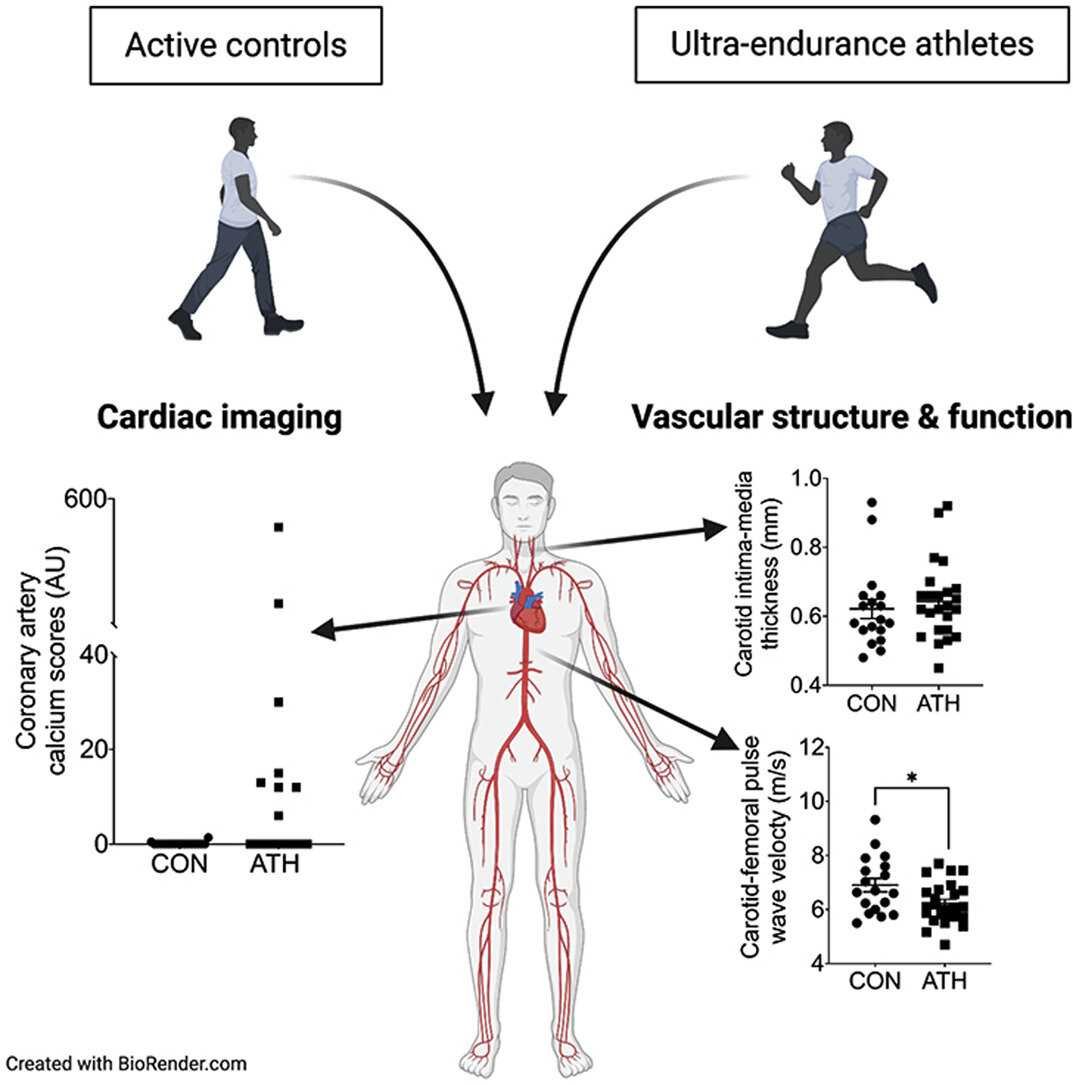
Some studies suggest that extreme endurance exercises might cause changes in the heart, such as arrhythmias or inflammation. It’s important to listen to your body and avoid pushing beyond safe limits.
Signs You Might Be Doing Too Much Cardio
Pay attention to your body’s signals. Signs of overdoing cardio include persistent fatigue, trouble sleeping, irritability, and frequent injuries. You may also notice a plateau in weight loss or muscle gain.
If your performance drops or you feel unusually sore and unmotivated, consider scaling back. Rest days are vital for recovery and avoiding overtraining.
Balancing Cardio with Other Workouts
Combining cardio with strength training creates a balanced routine. Aim for two to three sessions of strength training per week along with your cardio.
Adding flexibility workouts like yoga can help improve muscle recovery and prevent injuries. Cross-training prevents boredom and reduces the risk of overuse injuries.
Optimal Cardio Duration and Intensity
For most people, 30 to 45 minutes of moderate-intensity cardio is enough to gain health benefits. High-intensity interval training (HIIT) can be effective but should be done sparingly.
Listening to your body is key. If you feel exhausted or sore, it’s smart to reduce intensity or take extra rest days. Pushing through pain can lead to injuries or burnout.
Personalizing Cardio to Fit Your Goals
Your fitness goals influence how much cardio you should do. If weight loss is your goal, consistent moderate exercise combined with diet adjustments works well.
For endurance athletes, more extensive cardio routines are necessary but should include ample recovery. Tailoring your workout plan ensures you avoid the pitfalls of doing too much cardio while maximizing benefits.
Summary of Key Points
- Moderate cardio improves heart health, stamina, and weight management.
- Overdoing cardio can cause fatigue, injuries, and muscle loss.
- Balance is essential—combine cardio with strength training and rest.
- Listen to your body and adjust your workout intensity accordingly.
Incorporating Rest and Recovery
Rest days allow muscles to repair and prevent overtraining. Incorporating active recovery, like light walking or stretching, promotes circulation and reduces soreness.
Proper sleep and nutrition further support recovery. Remember, more isn’t always better—quality and balance make your workouts more effective.
Related Topics
How to Incorporate Strength Training with Cardio
Adding resistance exercises enhances muscle strength and boosts metabolism. It also helps prevent the muscle loss sometimes associated with excessive cardio.
The Role of Nutrition in Supporting Cardio Workouts
Eating a balanced diet with enough protein, healthy fats, and carbs fuels your workouts and aids recovery. Staying hydrated is equally important, especially during intense sessions.
Alternative Ways to Stay Active Without Excessive Cardio
Activities like swimming, dancing, or hiking can be enjoyable and effective. These options reduce the monotony of cardio while providing many of its benefits.
In conclusion, while cardio is vital for overall health, doing too much can lead to setbacks. Striking the right balance that suits your body and goals ensures you receive the maximum benefits without risking your health. Incorporate rest, vary your workouts, and listen to your body to enjoy sustainable fitness progress.
How Much Cardio Should You Be Doing To Lose Weight?
Frequently Asked Questions
What are the potential health risks of excessive cardio workouts?
Prolonged or intense cardio sessions can lead to issues like overtraining, increased risk of injuries, and stress on the heart. Overtraining may cause fatigue, weaken the immune system, and lead to hormonal imbalances. Additionally, doing too much cardio without proper recovery can result in joint and muscle strains, increasing the likelihood of injuries. It’s important to balance cardio with rest and strength training to maintain overall health.
How can too much cardio impact muscle development?
Engaging excessively in cardio can hinder muscle growth because it often leads to calorie deficits and increased fatigue. When your body focuses primarily on cardio, it may not have enough energy and resources to build and repair muscle tissue. Overdoing it can also cause muscle breakdown, especially if combined with inadequate nutrition. Incorporating strength training and proper recovery helps support muscle development alongside cardio.
Is there an ideal amount of cardio for optimal fitness?
The right amount of cardio varies depending on your fitness goals and individual health. Generally, health organizations recommend at least 150 minutes of moderate-intensity cardio each week or 75 minutes of vigorous activity. For weight loss, you may need more, but it’s crucial to listen to your body and avoid overtraining. Balancing cardio with strength exercises and rest days helps prevent burnout and supports overall fitness.
Can too much cardio lead to mental fatigue or burnout?
Yes, excessive cardio can cause mental exhaustion and reduce motivation. Overtraining may lead to feelings of frustration, anxiety, or depression because your body and mind don’t get enough time to recover. Managing your workout schedule, including rest days and varied exercise routines, helps keep your mental health intact while maintaining physical fitness.
What are some signs indicating I might be doing too much cardio?
Signs of overdoing cardio include persistent fatigue, decreased performance, increased susceptibility to injuries, and trouble sleeping. You might also notice a loss of motivation, irritability, or difficulty recovering from workouts. Paying attention to these signals and adjusting your workout intensity or volume can prevent negative effects and promote overall well-being.
Final Thoughts
Is too much cardio bad? Excessive cardio can lead to burnout, fatigue, and muscle loss, which might hinder fitness progress. While cardio offers health benefits, overdoing it increases the risk of injury and hampers recovery.
Striking a balance is essential; incorporate strength training and rest days to maintain overall health. Listening to your body helps prevent overtraining and keeps your workouts effective.
In conclusion, is too much cardio bad? It can be if it causes fatigue or injury. Moderation ensures you enjoy the benefits without adverse effects.
As an Amazon Associate, We earn from qualifying purchases. When you purchase a product through Amazon links on pulsefitguide.com, we may earn a small commission at no extra cost to you. This helps support the site and keep our content free.