

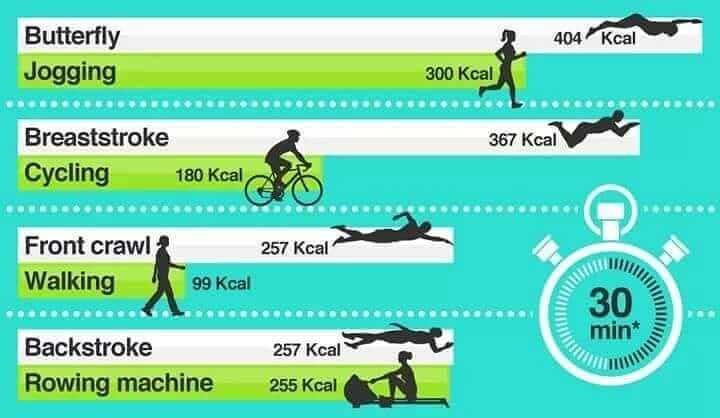
Yes, swimming is one of the best forms of cardio exercise. It offers full-body workouts, low impact on joints, and excellent calorie-burning benefits, making it suitable for all fitness levels.
Swimming is often considered one of the top cardio exercises because it combines intensity with low impact, allowing you to work out without straining your joints. Whether you’re looking to improve endurance, burn calories, or tone muscles, swimming provides a versatile and enjoyable way to boost cardiovascular health. Its ability to engage multiple muscle groups simultaneously sets it apart from many other cardio options. Plus, the soothing nature of water makes workouts more enjoyable and less stressful on the body. If you’re searching for an effective, fun, and joint-friendly way to stay fit, diving into the pool might be your best move.

Is Swimming the Best Cardio Exercise for Everyone?
Swimming is often called a full-body workout that can improve your health in many ways. But is it really the **best cardio** exercise for everyone? To find out, we need to look at the benefits, drawbacks, and how swimming compares with other popular cardio options. This article delves into those topics step by step.
What Makes a Cardio Exercise Effective?
Cardiovascular exercise, or cardio, helps strengthen your heart and lungs. The best cardio workouts are those that raise your heart rate for a sustained period. They also burn calories, improve endurance, and can be adapted for all fitness levels.
An effective cardio workout should be enjoyable, sustainable, and safe. It should challenge your body without causing injury or excessive fatigue. Swimming checks many of these boxes, but it’s worth examining how it stacks up against other activities.
Benefits of Swimming as Cardio
Low-Impact Exercise
One of the biggest advantages of swimming is that it is low-impact. The water supports your body, reducing stress on joints and minimizing injury risk. This makes swimming ideal for people with arthritis, injury recovery, or those who are overweight.
Full-Body Workout
Swimmers engage almost every major muscle group. Arms, legs, core, and back muscles work together, providing a comprehensive workout. This can lead to improved muscle tone and flexibility over time.
Cardiovascular and Respiratory Health
Swimming enhances lung capacity and improves breathing efficiency. Regular sessions can boost heart health by increasing endurance and reducing risk factors for cardiovascular disease.
Calorie Burning and Weight Management
Depending on your weight and intensity, swimming can burn approximately 300 to 600 calories per hour. This makes it effective for weight control when combined with proper diet.
Mental Health Benefits
In addition to physical benefits, swimming can reduce stress and improve mood. The calming nature of water and rhythmic movement help promote mental well-being.
Challenges and Limitations of Swimming as Cardio
Accessibility and Convenience
Not everyone has immediate access to a swimming pool or safe swimming environment. This limits how often some people can include swimming in their routines.
Learning Curve and Safety
Proper swimming technique takes time to learn. Additionally, safety precautions are necessary, especially for beginners or those swimming alone.
Cost and Equipment
Swimming pools, swim gear, and lessons can be costly. These expenses might discourage some individuals from making swimming a regular activity.
Weather and Seasonal Constraints
Outdoor swimming depends on weather conditions. Cold or rainy days can prevent outdoor swimmers from working out outside.
How does Swimming Compare with Other Cardio Exercises?
Running
Running is a high-impact activity that burns calories quickly. It improves bone density and requires minimal equipment. However, it can lead to joint pain or injury over time.
Cycling
Cycling is low-impact like swimming and excellent for leg strength. It can be done outdoors or on a stationary bike, and it offers a good calorie burn. Cycling is often more accessible than swimming for many people.
Walking
Walking is accessible and easy to do almost anywhere. While it offers lower intensity, walking still supports heart health and endurance, especially when done briskly or for longer durations.
Aerobic Exercises (Dance, Jump Rope, etc.)
These activities can be very effective for cardio fitness. They offer variety and can be performed indoors or outdoors. They also tend to be more accessible than swimming but might have higher impact levels.
Who Should Consider Swimming as Their Primary Cardio?
- Individuals with joint problems or arthritis
- People recovering from injury or surgery
- Those seeking low-impact exercise options
- Anyone looking for a full-body workout
- Individuals aiming to improve respiratory function
Best Practices for Incorporating Swimming Into Your Routine
Start with Proper Technique
Learning correct swimming strokes and breathing techniques can maximize benefits and reduce injury risk. Consider lessons if you’re new to swimming.
Set Realistic Goals
Start slow and gradually increase your workout duration and intensity. Consistency is key for long-term results.
Combine with Other Activities
Mix swimming with other cardio forms like brisk walking or cycling for variety and balanced fitness. This approach also minimizes boredom and plateaus.
Ensure Safety and Equipment Readiness
Always swim in safe environments, stay aware of water conditions, and have appropriate gear like goggles, swim cap, and fins to enhance your workout.
Tips for Maximizing Cardio Benefits from Swimming
- Maintain a steady pace to keep your heart rate elevated
- Incorporate interval training for increased calorie burn
- Spend at least 30 minutes per session for health benefits
- Practice different strokes to engage various muscle groups
Overall, swimming is a **fantastic cardio exercise** that offers many advantages, especially for those needing a low-impact, full-body workout. It improves heart health, supports weight management, and boosts mental well-being. While it may not be accessible for everyone or suitable as the sole workout, it can be a central part of a well-rounded fitness routine. Consider your personal needs, environment, and preferences when deciding if swimming is the best cardio for you, and make sure to incorporate it safely for maximum benefits.
Why Swimming is the Best Cardio
Frequently Asked Questions
What are the cardiovascular benefits of swimming compared to other forms of exercise?
Swimming provides an excellent aerobic workout that strengthens the heart and lungs. It improves circulation, increases stamina, and promotes better cardiovascular health without putting stress on joints. Unlike some high-impact exercises, swimming allows for sustained activity which can lead to more consistent cardiovascular benefits over time.
Can swimming be effective for overall fitness beyond just cardio improvement?
Yes, swimming engages multiple muscle groups, helping to build strength, flexibility, and endurance. Its full-body workout nature means it not only enhances cardiovascular health but also improves muscular tone and coordination. This combination makes it a well-rounded exercise for overall fitness.
Is swimming suitable for all fitness levels and ages?
Swimming is adaptable to various fitness levels and ages. Beginners can start with gentle water exercises, while more advanced swimmers can challenge themselves with intensive routines. Its low-impact nature makes it especially suitable for older adults or those with joint issues, making it an inclusive form of cardio exercise.
Final Thoughts
Swimming offers a low-impact, full-body workout that combines cardiovascular benefits with muscle strengthening. It improves endurance, flexibility, and mental well-being, making it an excellent exercise option.
While many consider it the best cardio, individual preferences and needs matter. Other activities might suit different fitness levels or goals better.
In conclusion, is swimming the best cardio? It can be a top choice for many, but the best workout depends on personal circumstances.
As an Amazon Associate, We earn from qualifying purchases. When you purchase a product through Amazon links on pulsefitguide.com, we may earn a small commission at no extra cost to you. This helps support the site and keep our content free.