

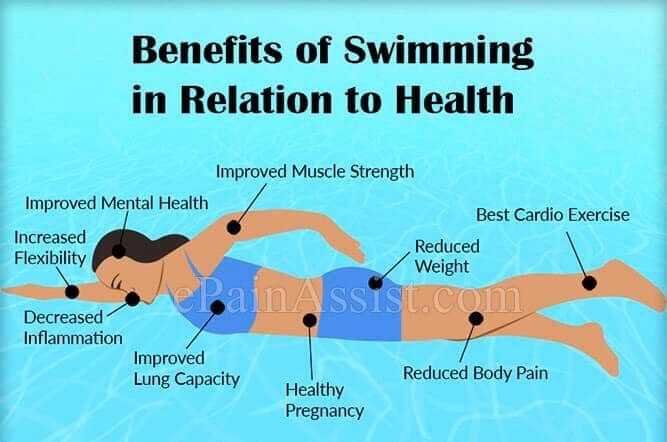
Yes, swimming is an excellent form of cardio that offers numerous health benefits. It’s a full-body workout that boosts your heart health, stamina, and endurance while being gentle on your joints. If you’re looking for a fun and effective way to improve your cardiovascular fitness, swimming might just be the perfect fit. It not only helps burn calories but also enhances lung capacity and overall strength, making it suitable for people of all fitness levels.
Swimming is indeed a fantastic cardio activity. It elevates your heart rate, improves circulation, and provides a low-impact workout that’s easy on your joints. Whether you’re aiming to lose weight, increase endurance, or simply stay active, swimming offers a versatile and enjoyable way to achieve your fitness goals. Its comprehensive benefits make it one of the top choices for cardio exercise.
Diving into swimming as a cardio exercise is a smart choice for anyone seeking a balanced, effective workout. Not only does it keep your heart healthy, but it also engages multiple muscle groups, helping you build strength and stamina in the process. Plus, the calming water environment can make your exercise routine more enjoyable and less stressful. Overall, swimming is a dynamic and rewarding way to boost your cardio health.

Is Swimming Good Cardio?
Understanding Cardio and Its Benefits
Cardio exercises are activities that get your heart beating faster and help improve your cardiovascular health. They strengthen your heart, lungs, and blood vessels, making everyday activities easier. Regular cardio can also help control your weight and boost your mood. Swimming is often included among the best cardio workouts because of its many advantages.
How Swimming Raises Your Heart Rate
When you swim, your body works against water resistance, which engages multiple muscle groups. This resistance makes your heart work harder to pump blood throughout your body. As a result, swimming can significantly raise your heart rate, similar to running or cycling.
Calories Burned During Swimming
Swimming burns a lot of calories, depending on your weight and the intensity of your workout. A person weighing around 150 pounds can burn approximately 400-600 calories in 30 minutes of vigorous swimming. This calorie expenditure makes swimming an effective way to lose weight or maintain a healthy weight.
Types of Swimming That Offer Excellent Cardio Workout
Different styles of swimming provide various levels of cardio benefits. Some of the most popular and effective are:
- Freestyle (Front Crawl): Fast-paced and efficient, great for cardio.
- Butterfly: Demands high energy, excellent for intense cardio sessions.
- Backstroke: Less strenuous but still good for maintaining cardiovascular fitness.
- Breaststroke: Slower but helps build endurance and strength.
The Duration and Intensity of Swimming for Cardio Benefits
For optimal cardio benefits, aim for swimming sessions lasting at least 20 to 30 minutes. Incorporate intervals of intense swimming followed by slower recovery periods to boost your cardio capacity. Consistency is key, so try to swim several times a week for best results.
Comparing Swimming with Other Cardio Exercises
Unlike running or cycling, swimming is low-impact but still provides a high-intensity workout. It involves zero joint stress, making it suitable for people with joint problems or arthritis. Here is a quick comparison:
| Exercise | Impact Level | Calories Burned (per 30 min) | Additional Benefits |
|---|---|---|---|
| Swimming | Low-impact | 400-600 | Full-body workout, improves flexibility |
| Running | High-impact | 300-450 | Strengthens bones, boosts endurance |
| Cycling | Low-impact | 300-600 | Good for leg strength, joint friendly |
Advantages of Swimming as Cardiovascular Exercise
Swimming offers numerous benefits beyond just improving your heart health. It can help:
- Enhance lung capacity: Breathing control is vital in swimming, which benefits your lungs.
- Build muscle endurance: Water resistance tones muscles and boosts stamina.
- Improve flexibility: Stretching and moving through water enhances joint mobility.
- Reduce stress: The calming effect of water can improve mental well-being.
Who Should Consider Swimming for Cardio
Swimming is suitable for nearly everyone, especially those who need low-impact exercises. It is particularly beneficial for:
- People recovering from injury or joint pain
- Individuals with arthritis or osteoporosis
- Older adults seeking gentle but effective workouts
- Anyone looking to diversify their fitness routine
Safety Tips for Incorporating Swimming into Your Routine
To maximize benefits and stay safe, follow these tips:
- Start slowly, especially if new to swimming or after a long break.
- Gradually increase the duration and intensity of your sessions.
- Ensure proper technique to prevent strain or injury.
- Swim in supervised pools or safe open water locations.
- Stay hydrated and wear appropriate gear, like goggles and swim caps.
Swimming clearly provides an excellent cardiovascular workout with many health benefits. It raises your heart rate effectively, burns calories, and promotes overall fitness without putting stress on your joints. Whether you swim laps for 20 minutes or engage in water aerobics, making swimming part of your routine can support your heart health and help you stay active for years to come.
Why Swimming is the Best Cardio
Frequently Asked Questions
How does swimming compare to other forms of cardio in terms of effectiveness?
Swimming offers a comprehensive cardiovascular workout that engages multiple muscle groups simultaneously. It improves endurance, increases heart rate, and burns a significant number of calories, making it as effective, if not more so, than activities like running or cycling. The low-impact nature of swimming also means you can exercise longer without putting excessive strain on your joints, which benefits overall cardiovascular health.
Can swimming help improve heart health over time?
Yes, regular swimming sessions strengthen the heart and lungs, enhancing their efficiency. Over time, this activity helps reduce blood pressure, lower bad cholesterol levels, and improve circulation. Consistent swimming can significantly contribute to overall heart health and reduce the risk of cardiovascular diseases.
What are the benefits of swimming for someone with joint issues or arthritis?
Because swimming is a low-impact exercise, it puts minimal stress on joints and bones. This makes it an ideal cardio activity for individuals with arthritis or joint pain. The water’s buoyancy supports body weight, allowing you to get a good workout without aggravating existing joint problems, ultimately promoting better cardiovascular health while minimizing discomfort.
Is it possible to get a high-intensity cardio workout from swimming?
Absolutely. Swimming can be tailored to high-intensity workouts through interval training, fast-paced laps, or incorporating strokes that require more effort. By adjusting your speed and incorporating drills, you can elevate your heart rate to achieve a vigorous cardio workout that improves stamina and cardiovascular fitness.
How does swimming benefit beginners who want to start cardio training?
Swimming provides a gentle yet effective way for beginners to build cardiovascular endurance. Its low-impact nature reduces the risk of injury, making it easier to maintain consistency. Starting with shorter sessions and gradually increasing intensity helps newcomers develop fitness levels safely while enjoying the many health benefits of cardio exercise.
Final Thoughts
Swimming provides an excellent cardiovascular workout that benefits heart health and builds endurance. Its low-impact nature makes it suitable for all fitness levels, reducing stress on joints.
Many fitness enthusiasts choose swimming for its full-body engagement and calorie-burning efficiency.
In conclusion, is swimming good cardio? Absolutely, it offers effective cardiovascular exercise while being gentle on the body.
As an Amazon Associate, We earn from qualifying purchases. When you purchase a product through Amazon links on pulsefitguide.com, we may earn a small commission at no extra cost to you. This helps support the site and keep our content free.