

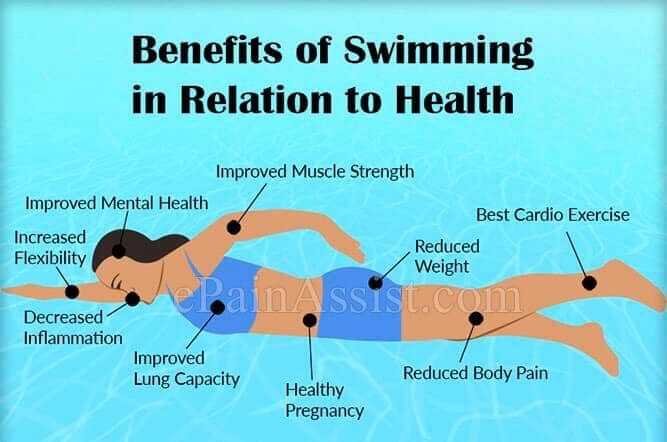
Yes, swimming is definitely considered cardio. It’s an excellent full-body exercise that boosts your heart rate and improves cardiovascular health. Whether you’re doing laps or just splashing around, swimming can be a very effective way to get your cardio workout.
Swimming is widely recognized as a fantastic form of cardiovascular exercise that benefits people of all fitness levels. Not only does it elevate your heart rate like running or cycling, but it also provides low-impact, joint-friendly activity suitable for those with injuries or arthritis. This makes it a popular choice for those looking to combine fun with health benefits. Swimming engages multiple muscle groups, making it an efficient workout that enhances endurance, stamina, and overall cardiovascular fitness. So, if you’re wondering whether swimming counts as cardio, the answer is a resounding yes—it’s a dynamic, enjoyable way to keep your heart healthy and active.

Is Swimming Considered Cardio? A Deep Dive into the Benefits and Facts
Understanding Cardio: What Does It Really Mean?
Cardio, short for cardiovascular exercise, involves activities that increase your heart rate and improve blood circulation. These exercises help strengthen your heart and lungs. Swimming is often debated to see if it fits into this category, so let’s explore what makes an activity a good cardio workout.
Why People Think Swimming Might Be Cardio
Many believe swimming is a cardio activity because it raises the heart rate and makes you breathe harder. Swimmers often exert a lot of energy, especially during intense laps. The continuous movement and effort involved suggest it has similar benefits to running or cycling.
The Science Behind Swimming and Heart Rate
During swimming, your heart has to pump more blood to supply oxygen to your muscles. Studies show that when you swim at a moderate or vigorous pace, your heart rate increases significantly. This increased heart rate indicates that swimming can be classified as an aerobic or cardio activity.
How Swimming Compares to Other Cardio Exercises
| Activity | Typical Heart Rate | Calories Burned per Hour | Impact Level |
|————|———————|————————–|————–|
| Running | 120-160 bpm | 600-1000 | High |
| Cycling | 100-150 bpm | 500-750 | Moderate |
| Swimming | 100-160 bpm | 400-700 | Moderate to High |
This table shows that swimming can reach similar heart rate levels as land-based cardio exercises. The calorie burn is also comparable, especially during vigorous swimming sessions.
Types of Swimming and Their Cardio Benefits
Different styles of swimming offer varied benefits:
Freestyle (front crawl)
Most popular and fast-paced, suitable for boosting cardiovascular health due to continuous movement.
Breaststroke
Slower but still effective; helps build endurance and provides moderate cardio benefits.
Butterfly
Intense and demanding, offers high cardio workouts for experienced swimmers.
Backstroke
Provides similar cardio benefits but with a lower impact on joints.
How to Maximize Cardio Benefits from Swimming
To make swimming an effective cardio workout, consider these tips:
- Maintain a steady pace for at least 30 minutes
- Ensure you’re pushing yourself to higher intensities periodically
- Use interval training to alternate between high and low intensities
- Incorporate different strokes for variety and full-body engagement
Is Swimming Suitable for Everyone?
Swimming is low-impact, making it suitable for people of all ages and fitness levels. It’s especially beneficial for those with joint problems or arthritis. However, it’s essential to start gradually and consult a healthcare provider if you have health concerns.
The Endurance and Fitness Benefits of Swimming
Regular swimming boosts lung capacity, muscle strength, and overall endurance. It improves circulation, reduces blood pressure, and enhances cardiovascular health over time. Unlike some high-impact activities, swimming offers a low-risk way to stay fit and healthy.
Common Myths About Swimming and Cardio
Many think swimming isn’t a vigorous enough activity for cardio. However, swimming can be just as demanding as running, especially during high-intensity laps or competitive training. It also provides benefits that land exercises might lack, such as lower joint strain.
Who Should Consider Swimming as Cardio?
Anyone looking to improve heart health, build endurance, or reduce joint stress can benefit from swimming. It’s ideal for cross-training, recovery workouts, or adding variety to a fitness routine. Athletes also use swimming to enhance overall cardiovascular capacity.
Incorporating Swimming Into Your Fitness Routine
To benefit from swimming as cardio, try to swim at least three times a week. Each session should last between 30 to 60 minutes, depending on your fitness level. Combining swimming with other forms of exercise can create a balanced workout plan.
The Role of Swimming in Weight Loss and Cardiovascular Health
Consistent swimming helps burn calories efficiently, aiding weight loss. It also lowers the risk of cardiovascular diseases by strengthening the heart and improving blood flow. Its full-body engagement makes it a powerful tool for overall health improvement.
In summary, swimming absolutely qualifies as a form of cardio exercise. Its ability to raise your heart rate, improve circulation, and strengthen your lungs places it alongside other popular aerobic activities. With its low-impact nature and versatility, swimming is an excellent choice for anyone aiming to boost their cardiovascular health and overall fitness. Whether you’re a beginner or an experienced athlete, swimming offers numerous benefits that make it a valuable part of a balanced exercise routine.
Why Swimming is the Best Cardio
Frequently Asked Questions
Does swimming help improve cardiovascular health?
Yes, swimming is an excellent way to boost cardiovascular health. It raises your heart rate, improves circulation, and strengthens your heart and lungs. Regular swimming sessions can reduce the risk of heart disease and enhance overall stamina.
Can swimming provide the same benefits as running or cycling?
Swimming offers many similar benefits to running and cycling, such as increasing endurance, burning calories, and strengthening the cardiovascular system. Since swimming is low-impact, it is particularly suitable for those with joint issues or injuries while still providing effective aerobic exercise.
How does swimming influence endurance and energy levels?
Engaging in swimming regularly builds endurance by challenging your cardiovascular system. Over time, it improves your body’s ability to utilize oxygen efficiently, which leads to increased energy levels and better performance in daily activities and other sports.
Final Thoughts
Swimming is often seen as a full-body workout that raises the heart rate. It engages multiple muscle groups, making it effective for cardiovascular health.
Many people wonder if swimming is considered cardio, and the answer is yes. It provides excellent aerobic exercise, improving endurance and heart function.
In conclusion, swimming considered cardio is a great way to stay active and boost your fitness.
As an Amazon Associate, We earn from qualifying purchases. When you purchase a product through Amazon links on pulsefitguide.com, we may earn a small commission at no extra cost to you. This helps support the site and keep our content free.