

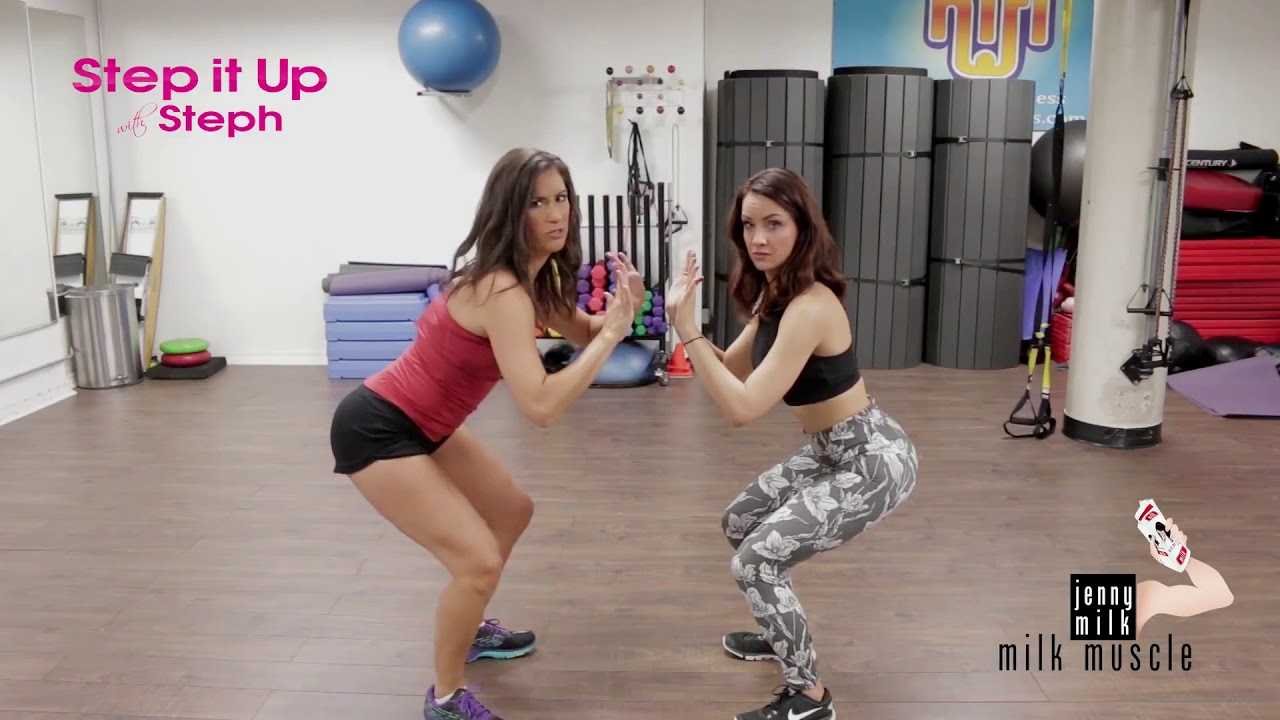
Yes, squats can be considered a form of cardio, especially when performed with high intensity or in a circuit. They help elevate your heart rate, boost endurance, and burn calories, making them a versatile exercise for both strength and cardiovascular health.
Squats are often seen as a strength training move, but when done quickly or in high repetitions, they can also serve as an effective cardio workout. This dual benefit makes squats a popular choice for those looking to maximize their fitness in less time. Whether you’re aiming to build muscle or improve your heart health, understanding how squats can fit into your cardio routine can help you create a more balanced workout plan. So, if you’re wondering whether this simple yet powerful exercise counts as cardio, the answer is yes — with the right technique and intensity!

Is Squats Cardio? Understanding How Squats Fit Into Your Cardio Workout
What Are Squats? A Quick Overview
Squats are a popular strength training exercise that targets the lower body. They mainly work your thighs, hips, and buttocks. Many people do squats to build muscle, improve posture, and boost overall strength.
Are Squats Considered Cardio?
Many wonder if squats count as cardiovascular exercise. The answer is that it depends on how you perform them. Traditional squats are primarily strength moves, but when done quickly or with added intensity, they can raise your heart rate and serve as cardio.
Difference Between Cardio and Strength Training
Cardio exercises increase your heart rate over a sustained period, helping improve heart health and burn calories. Strength training focuses on muscle building and uses resistance. Squats sit somewhere in the middle, especially when performed in a certain way.
How Do Squats Impact Your Heart Rate?
When you do squats quickly or add weights, your muscles work harder. This causes your heart to pump faster to deliver oxygen. As a result, your heart rate increases, making squats more like cardio during high-intensity sessions.
High-Rep Squats for Cardio Benefits
Performing squats with high repetitions can turn them into a cardio workout. For example, doing 50 to 100 squats without rest can keep your heart pounding. This method helps burn calories and improve cardiovascular health.
Incorporating Squats into Circuit Training
Circuit training combines different exercises with minimal rest. Including squats in a circuit with jumping jacks or jump squats boosts your heart rate. This combo maximizes calorie burn and strengthens muscles at the same time.
Jump Squats: The Cardio-Strength Combo
Jump squats are a popular move that combines squatting with a jump. They are a perfect example of a squat exercise that acts as cardio. Jump squats get your heart racing and improve explosive strength.
The Benefits of Doing Squats as Cardio
Using squats as cardio helps in weight loss and endurance building. They also improve your lower body’s strength and stability. Additionally, performing squats quickly enhances coordination and athletic performance.
Can Squats Replace Traditional Cardio?
While squats can provide cardio benefits, they may not fully replace activities like running or cycling. For overall cardiovascular health, a mix of exercises including steady-state cardio is recommended. Squats work best as part of a balanced workout plan.
Safety Tips for Doing Squats as Cardio
Always warm up before doing intense squat routines. Keep proper form to prevent injury. If you use weights, start light and increase gradually. Listen to your body and avoid overexertion.
Who Should Include Squats in Their Workout?
Squats benefit many people, especially those aiming to build strength and improve cardiovascular health. Athletes, runners, and fitness enthusiasts often include squats in their routines. However, individuals with knee or back issues should consult a trainer or doctor first.
Conclusion: Are Squats Cardio or Strength?
Squats are mainly a strength exercise, but they can also serve as cardio when performed in certain ways. Incorporating high repetitions or explosive movements like jump squats can turn them into a cardiovascular workout. For best results, combine squats with other cardio and strength exercises in your routine.
Related Topics to Explore
- Best cardio workouts for beginners
- How to increase squat intensity safely
- Benefits of combining cardio and strength training
- Top lower-body exercises for fitness enthusiasts
- Tips for preventing injuries during workout routines
Can Squats Replace Cardio For Health? Build Muscle And Get Your Cardio In (New Study)
Frequently Asked Questions
How does performing squats affect your heart rate?
Squats are a physical exercise that increases your heart rate as you engage multiple muscle groups, including your thighs, hips, and core. While they do elevate your heart rate, they are primarily strength training rather than cardiovascular exercise. Incorporating them into a routine can contribute to overall fitness, but on their own, they may not provide the sustained cardio workout that activities like running or cycling offer.
Can doing squats help improve endurance for cardio activities?
Yes, regular squat workouts can enhance muscular endurance, especially in your lower body. Improved strength and endurance in these muscles can benefit activities that require stamina, like running or cycling. However, to significantly boost your cardiovascular endurance, it is best to combine squats with dedicated cardio exercises that keep your heart rate elevated for extended periods.
Are there ways to modify squats to make them more cardio-intensive?
Absolutely. You can add dynamic movements, such as jump squats, to increase intensity and promote cardiovascular engagement. Incorporating supersets with other high-energy movements or reducing rest time between sets can also make squats more demanding on your heart and lungs, creating a more cardio-focused workout while still building strength.
Final Thoughts
Squats offer numerous benefits, but are they considered cardio? Typically, they are classified as strength training rather than aerobic exercise. Squats build muscle and improve endurance, but they do not elevate your heart rate enough to qualify as cardio.
However, performing squats in a high-repetition, fast-paced manner can increase your heart rate and provide some cardiovascular benefits.
In conclusion, is squats cardio? Not primarily, but they can complement your cardio routine effectively.
As an Amazon Associate, We earn from qualifying purchases. When you purchase a product through Amazon links on pulsefitguide.com, we may earn a small commission at no extra cost to you. This helps support the site and keep our content free.