

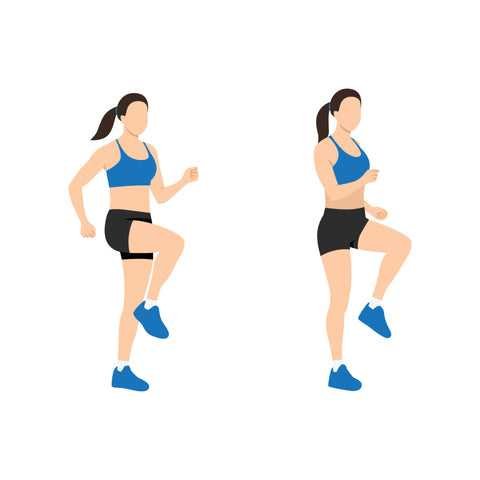
Running in place can be an effective cardio workout, especially when you’re short on time or space. It gets your heart rate up quickly and can boost your stamina, making it a convenient alternative to outdoor running. While it may not completely replace outdoor jogging, it’s a solid option for maintaining cardiovascular health indoors or during busy days.
In short, running in place offers a good cardiovascular workout that can improve endurance and burn calories if done with enough intensity and duration. It’s especially useful for those who need a quick, accessible way to stay active. However, to maximize benefits and prevent boredom, it’s best combined with other exercises or varied routines over time.
If you’re wondering whether running in place is a good form of cardio, the answer is yes—if done correctly. It’s a simple, low-cost way to get your heart pumping without needing special equipment or outdoor space. Plus, it’s adaptable to different fitness levels, making it ideal for beginners or anyone looking for a quick workout at home. So, next time you’re pressed for time, skip the excuses and give running in place a shot!

Is Running in Place Good Cardio?
Running in place is a workout that many people do at home or in the gym. It involves jogging or sprinting in the same spot without moving forward. Many wonder if this simple activity is enough to improve their heart health and fitness levels.
Understanding Cardio Exercise
Cardio, short for cardiovascular exercise, helps increase your heart rate and breathing. It strengthens your heart and lungs, making everyday activities easier. Good cardio workouts burn calories and boost overall energy.
Activities like running, cycling, and swimming are popular cardio forms. They usually involve continuous movement over a period of time. Running in place can be an alternative for these exercises when space or time is limited.
How Running in Place Affects Your Heart Rate
When you run in place, your heart rate increases, which is essential for good cardio fitness. The faster you jog or sprint, the higher your heart beats. Maintaining a heart rate in the target zone helps improve cardiovascular health.
For most people, running in place can push the heart rate into the moderate-to-vigorous intensity range. This makes it an effective exercise for improving heart function and endurance.
Calorie Burning and Weight Loss Potential
Running in place can burn a significant number of calories depending on your weight, speed, and duration. A person weighing around 150 pounds can burn approximately 100 calories in 10 minutes of brisk running in place.
Consistent cardio workouts, including running in place, can contribute to weight loss when paired with a healthy diet. It is a convenient way to stay active without needing special equipment or a lot of space.
Benefits of Running in Place
- Convenience: You can do it anywhere, such as at home, in the office, or while watching TV.
- Low Cost: No need for fancy gym memberships or equipment.
- Time-Saving: Short sessions can provide significant cardio benefits.
- Low Impact: Easier on joints compared to running on hard surfaces.
- Customizable Intensity: You can increase speed or include jumping jacks for more challenge.
Comparing Running in Place to Other Cardio Activities
Advantages
Running in place offers great flexibility for quick workouts or when outdoor running isn’t possible. It is easier to control your pace and intensity. It also requires minimal space and no special equipment.
Limitations
However, it may not burn as many calories as longer outdoor runs or cycling. It might also become monotonous, making it harder to stay motivated over time.
Maximizing the Benefits of Running in Place
To make your running in place more effective, try these tips:
- Increase Intensity: Sprint for short bursts or do high knees to raise your heart rate.
- Include Variations: Add jumping jacks or arm movements to engage different muscle groups.
- Set Goals: Aim for specific durations or calorie targets to stay motivated.
- Use Proper Form: Keep your back straight and land softly on your feet to prevent injuries.
Potential Risks and Considerations
While running in place is generally safe, some people should be cautious. Those with joint problems or heart conditions should consult a doctor before starting new exercise routines. Always warm up before and cool down after workouts.
If you experience pain, dizziness, or shortness of breath, stop exercising and seek medical advice. Proper footwear can also help avoid foot, ankle, or knee injuries.
Incorporating Running in Place Into Your Workout Routine
Running in place fits well into high-intensity interval training (HIIT). You can alternate between sprinting in place and walking or resting. Short sessions of 10 to 20 minutes can deliver excellent cardiovascular benefits.
For balanced fitness, combine running in place with strength training and flexibility exercises. This approach improves overall health and keeps workouts interesting.
Related Topics
- HIIT Workouts: How to maximize calorie burn with interval training
- Indoor Cardio Alternatives: Jump rope, step aerobics, and dance workouts
- Home Exercise Tips: Staying motivated and injury prevention
- Monitoring Your Heart Rate: Using devices to ensure you exercise within the right zone
Running in place is a practical and effective form of cardio exercise that boosts heart health, burns calories, and can fit into busy schedules. While it may not replace longer outdoor runs or cycling, it offers a valuable alternative for maintaining fitness anytime. By increasing intensity and adding variations, you can enjoy the benefits of running in place and stay active no matter where you are.
100 Running In Place Challenge [At Home Cardio & Weight Loss]
Frequently Asked Questions
Can running in place effectively improve cardiovascular health?
Running in place provides a good cardiovascular workout if performed at a steady, vigorous pace. It increases your heart rate, helping to strengthen your heart and lungs over time. To maximize benefits, maintain a consistent intensity and incorporate intervals or increased speed to challenge your cardiovascular system further.
Is running in place suitable for beginners looking for an accessible cardio option?
Yes, running in place is a beginner-friendly exercise that requires no special equipment or space. It allows newcomers to gradually build endurance and improve cardiovascular fitness. Starting with shorter sessions and increasing duration as your fitness improves can help prevent injury and build confidence.
How does the impact of running in place compare to outdoor running?
Running in place generally involves less impact on your joints compared to outdoor running on hard surfaces. This makes it a good option for those with joint issues or recovering from injuries. However, it may not engage the stabilizing muscles as effectively as outdoor running due to the limited movement of the body.
Can running in place help with weight management?
Yes, running in place burns calories, which can support weight management when paired with a healthy diet. The actual calorie burn depends on factors like your weight, speed, and workout intensity. Regularly incorporating it into your routine can contribute to a calorie deficit needed for weight loss.
What are some ways to make running in place more challenging?
You can increase the intensity by speeding up your pace, adding high knees or jumping motions, or incorporating arm movements. Using light hand weights or performing interval training—alternating between high-intensity bursts and recovery periods—can also boost the workout’s effectiveness.
Final Thoughts
Running in place provides a convenient way to improve cardiovascular health, especially when outdoor activity isn’t possible. It keeps your heart rate elevated and burns calories effectively. This exercise is accessible and easy to fit into daily routines.
Many people wonder if running in place is good cardio. The answer is yes, it offers a decent cardiovascular workout. While it may not replace running outdoors, it still boosts endurance and helps maintain fitness levels.
In conclusion, is running in place good cardio? Absolutely, it offers a practical and effective way to get your heart pumping. Incorporate it into your routine for consistent cardio benefits without needing much space or equipment.
As an Amazon Associate, We earn from qualifying purchases. When you purchase a product through Amazon links on pulsefitguide.com, we may earn a small commission at no extra cost to you. This helps support the site and keep our content free.