
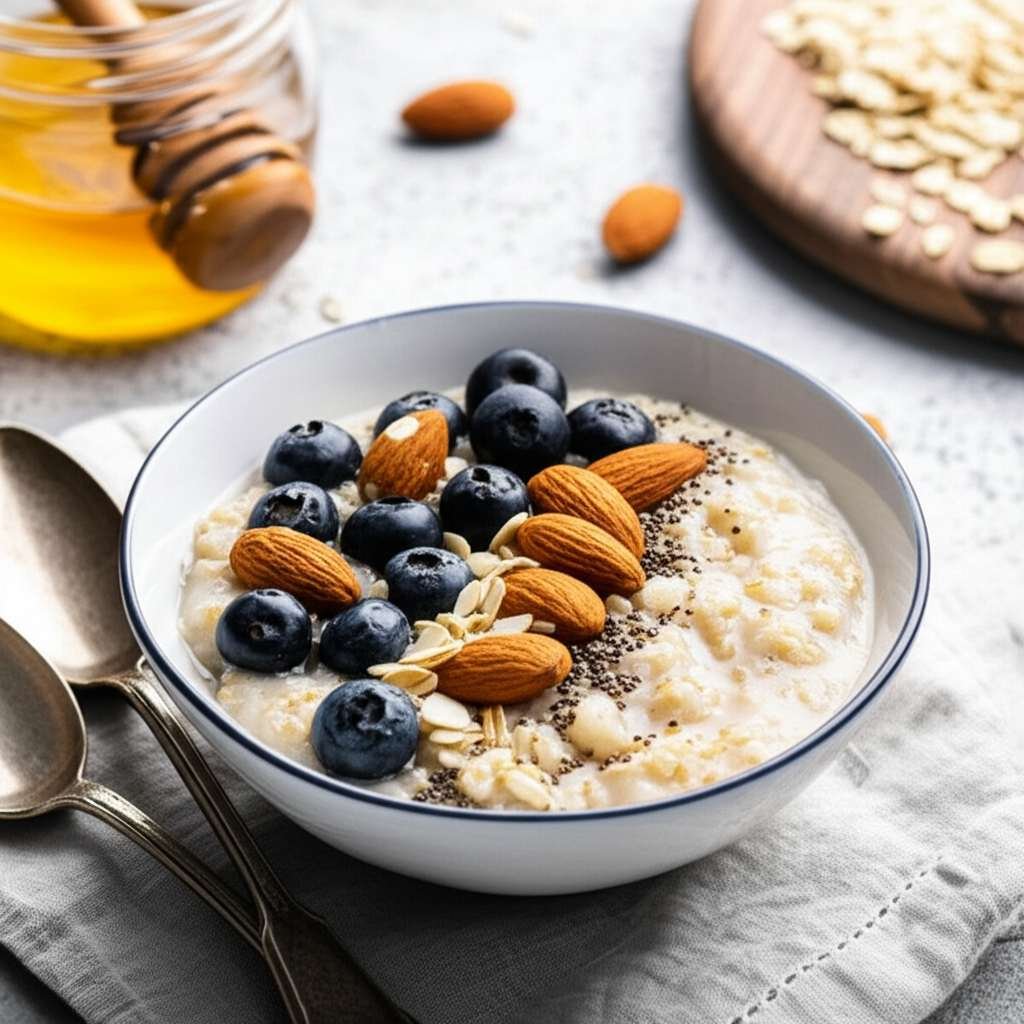
Yes, oatmeal is generally considered acceptable and even beneficial for a Mediterranean diet, especially when prepared with wholesome ingredients and enjoyed in moderation. It aligns with the diet’s emphasis on whole grains, fiber, and plant-based foods. This guide will show you how to make oatmeal a delicious and healthy part of your Mediterranean eating plan.
It’s totally normal to wonder if your favorite foods fit into a new way of eating, especially something as popular and comforting as oatmeal. You might be diving into the Mediterranean diet and thinking, “Can I still have my morning oats?”
Don’t worry, this is a super common question, and I’m here to help you figure it out. The Mediterranean diet is all about delicious, healthy eating, and it’s much more flexible than you might think.
This guide is designed to be your simple, step-by-step companion. We’ll break down exactly how oatmeal fits into this vibrant eating style, so you can enjoy it with confidence. Get ready to discover how to make your oatmeal a Mediterranean star!
What is the Mediterranean Diet, Anyway?

Before we dive into oatmeal, let’s quickly touch on what makes the Mediterranean diet so special. It’s not a strict diet with rigid rules, but rather a lifestyle inspired by the eating habits of people in countries like Greece, Italy, and Spain.
The focus is on enjoying delicious, minimally processed foods that are naturally good for you. Think lots of fruits, vegetables, whole grains, legumes, nuts, seeds, and healthy fats like olive oil. Fish and poultry are eaten in moderation, while red meat and sweets are enjoyed less often.
This way of eating is celebrated for its amazing health benefits, including supporting heart health, managing weight, and promoting overall well-being. It’s a balanced and sustainable approach to food that feels good and tastes great.
So, Is Oatmeal OK for a Mediterranean Diet?
The short answer is a resounding yes! Oatmeal, especially plain rolled oats or steel-cut oats, is a fantastic whole grain that fits beautifully into the Mediterranean way of eating.
It aligns perfectly with the diet’s emphasis on
- Whole Grains: Oatmeal is a prime example of a whole grain, providing essential fiber and nutrients.
- Plant-Based Foods: It’s a hearty, plant-derived food that forms a great base for many meals.
- Fiber Richness: Fiber is a cornerstone of the Mediterranean diet, promoting satiety and digestive health.
The key is how you prepare and top your oatmeal. Just like with any food, the additions can make a big difference in how well it fits the Mediterranean pattern.
Why Oatmeal is a Mediterranean Match
Oatmeal offers a fantastic nutritional profile that complements the Mediterranean diet’s core principles. It’s a complex carbohydrate, meaning it provides sustained energy rather than a quick spike and crash.
Here’s a closer look at why it’s a good choice:
Nutritional Powerhouse
Oatmeal is packed with essential nutrients. It’s a good source of:
- Fiber: Particularly beta-glucan, a soluble fiber known for its heart-health benefits and ability to help manage cholesterol levels. The American Heart Association highlights the benefits of beta-glucan for cardiovascular health.
- Vitamins and Minerals: Including manganese, phosphorus, magnesium, copper, iron, zinc, and B vitamins.
- Antioxidants: Such as avenanthramides, which have anti-inflammatory properties.
Satiety and Weight Management
The high fiber content in oatmeal helps you feel fuller for longer. This can be incredibly helpful for managing hunger and supporting weight loss goals, which is often a benefit of adopting a Mediterranean eating pattern.
When you feel satisfied after a meal, you’re less likely to snack on less healthy options throughout the day. This makes oatmeal a smart choice for a balanced breakfast.
Versatility
Oatmeal is a blank canvas! It can be customized with a wide variety of Mediterranean-friendly toppings. This means you can enjoy it in many different ways, keeping your meals interesting and exciting.
We’ll explore these delicious topping ideas in more detail soon!
How to Prepare Oatmeal the Mediterranean Way
The type of oatmeal you choose and what you add to it are crucial for making it a Mediterranean-friendly meal. Let’s break down the best choices.
Choosing Your Oats
Not all oatmeal is created equal. For the Mediterranean diet, opt for minimally processed varieties:
- Steel-Cut Oats: These are whole oat groats that have been chopped into smaller pieces. They have the lowest glycemic index and take the longest to cook, offering the most sustained energy release.
- Rolled Oats (Old-Fashioned Oats): These are oat groats that have been steamed and flattened. They cook faster than steel-cut oats but are still a great whole-grain option.
- Avoid: Instant oatmeal packets. These are often highly processed and can contain added sugars, artificial flavors, and sodium.
Cooking Methods
Keep it simple and natural:
- Water: Cooking oats with water is the most basic and healthiest method. It allows the natural flavor of the oats to shine and keeps calories low.
- Unsweetened Plant-Based Milk: Almond milk, soy milk, or oat milk (unsweetened varieties) can add a touch of creaminess without added sugars.
- Dairy Milk (in moderation): If you consume dairy, a splash of low-fat milk can be used, but water or plant-based milks are often preferred in a plant-forward Mediterranean approach.
Mediterranean-Friendly Toppings
This is where you can really make your oatmeal shine! Focus on fresh, natural ingredients:
- Fresh Fruit: Berries (blueberries, raspberries, strawberries), sliced apples, pears, peaches, figs, or pomegranates are excellent choices.
- Nuts and Seeds: A sprinkle of almonds, walnuts, pistachios, chia seeds, flaxseeds, or pumpkin seeds adds healthy fats, protein, and crunch.
- Spices: Cinnamon, nutmeg, cardamom, or ginger add flavor without sugar.
- A Drizzle of Honey or Maple Syrup (in moderation): Use sparingly for a touch of sweetness. The Mediterranean diet emphasizes enjoying sweets less often.
- A Dollop of Greek Yogurt: For added protein and creaminess, choose plain, unsweetened Greek yogurt.
- A Swirl of Olive Oil (optional, for savory oats): While less common for sweet oatmeal, a small amount of extra virgin olive oil can be used for savory oat preparations, aligning with a key Mediterranean ingredient.
What to Avoid on Your Mediterranean Oatmeal
Just as important as knowing what to include is knowing what to limit or avoid to keep your oatmeal truly Mediterranean-friendly.
High-Sugar Additions
These can turn a healthy breakfast into a sugar bomb:
- Sugary Cereals: Don’t use them as toppings!
- Sweetened Yogurts: Always opt for plain.
- Excessive Honey or Maple Syrup: A little goes a long way.
- Candied Fruits: These are often packed with added sugar.
Processed Ingredients
Stick to whole, recognizable foods:
- Flavored Oatmeal Packets: As mentioned, these are usually loaded with artificial ingredients and sugar.
- Sugary Granola: Many commercial granolas are high in sugar and unhealthy fats.
- Chocolate Chips: While a small amount of dark chocolate can be enjoyed occasionally, it’s not a daily Mediterranean staple for oatmeal.
Unhealthy Fats
Be mindful of:
- Butter: While a small amount is okay in cooking, rely more on olive oil for healthy fats.
- Cream: Heavy cream adds saturated fat and calories that aren’t typically central to the Mediterranean diet.
Mediterranean Oatmeal vs. Other Breakfasts
Let’s compare oatmeal to some other common breakfast choices to see how it stacks up within the Mediterranean framework.
Oatmeal vs. Eggs
Eggs are a great source of protein and fit well into the Mediterranean diet, especially when paired with vegetables and whole-wheat toast. However, plain eggs might lack the fiber that oatmeal provides, potentially leading to feeling hungry sooner.
Oatmeal vs. Pastries/Donuts
This is a no-contest! Pastries and donuts are typically made with refined flour, sugar, and unhealthy fats. They offer little nutritional value and can lead to energy crashes. Oatmeal, prepared healthily, is vastly superior.
Oatmeal vs. Smoothies
Smoothies can be very Mediterranean-friendly if packed with fruits, vegetables, and healthy additions like Greek yogurt or seeds. However, if a smoothie is mostly fruit juice, it can be a sugar overload. Oatmeal offers a more textured, chewable experience that can aid satiety.
Oatmeal vs. White Toast with Jam
White toast is a refined grain and offers minimal fiber. Jam is often high in sugar. Oatmeal, made with whole oats, provides complex carbohydrates and fiber, making it a more sustaining and nutrient-dense choice.
Sample Mediterranean Oatmeal Meal Ideas
To make things even clearer, here are a few delicious and simple Mediterranean oatmeal meal ideas:
1. Berry & Nut Delight
- Base: 1/2 cup rolled oats cooked with water or unsweetened almond milk.
- Toppings: A handful of mixed berries (fresh or frozen), 1 tablespoon chopped walnuts, and a sprinkle of cinnamon.
- Optional: A drizzle of honey (about 1 teaspoon).
2. Apple Cinnamon Crunch
- Base: 1/2 cup steel-cut oats cooked with water.
- Toppings: Half a diced apple, 1 tablespoon slivered almonds, a generous pinch of cinnamon, and a few raisins.
- Optional: A small dollop of plain Greek yogurt.
3. Fig & Pistachio Power Bowl
- Base: 1/2 cup rolled oats cooked with water.
- Toppings: 2-3 fresh figs, quartered, 1 tablespoon chopped pistachios, and a sprinkle of cardamom.
- Optional: A tiny drizzle of maple syrup.
4. Savory Mediterranean Oats (for the adventurous!)
- Base: 1/2 cup rolled oats cooked with water or vegetable broth.
- Toppings: A fried or poached egg, chopped fresh tomatoes, a few spinach leaves, a sprinkle of feta cheese (in moderation), and a small drizzle of extra virgin olive oil.
- Seasoning: Salt, pepper, and a pinch of dried oregano.
This savory option really embraces the spirit of Mediterranean flavors and ingredients!
The Benefits of Fiber in Oatmeal and the Mediterranean Diet
Fiber is a superstar nutrient, and oatmeal is a fantastic source of it. The Mediterranean diet heavily emphasizes fiber-rich foods, and oatmeal fits right in.
Why Fiber is Your Friend
Fiber is a type of carbohydrate that your body can’t digest. It passes through your digestive system relatively intact, providing several health benefits:
- Digestive Health: Fiber adds bulk to your stool, helping to prevent constipation and promote regular bowel movements.
- Blood Sugar Control: Soluble fiber, like the beta-glucan in oats, can slow down the absorption of sugar into your bloodstream, helping to prevent sharp spikes and crashes in blood sugar levels. This is beneficial for everyone, especially those managing diabetes.
- Heart Health: Soluble fiber can help lower LDL (“bad”) cholesterol levels, contributing to a healthier cardiovascular system. The Harvard T.H. Chan School of Public Health discusses the benefits of oats for heart health.
- Weight Management: As we’ve discussed, fiber promotes feelings of fullness, which can help you eat less and manage your weight more effectively.
Fiber Sources in the Mediterranean Diet
The Mediterranean diet naturally includes many high-fiber foods:
- Whole grains (like oats, barley, whole wheat bread)
- Fruits
- Vegetables
- Legumes (beans, lentils, chickpeas)
- Nuts and seeds
By including oatmeal, you’re adding another excellent source of this vital nutrient to your daily intake, supporting the overall fiber goals of the Mediterranean diet.
Frequently Asked Questions About Oatmeal and the Mediterranean Diet
Let’s tackle some common questions to make sure you feel super confident about your oatmeal choices!
Q1: Can I eat oatmeal every day on the Mediterranean diet?
A: Yes, you absolutely can! Oatmeal is a whole grain and a healthy food. Enjoying it daily, prepared with healthy toppings, is a great way to embrace the Mediterranean diet’s focus on nutritious whole grains.
Q2: Is instant oatmeal okay for the Mediterranean diet?
A: It’s best to avoid instant oatmeal packets. They are often highly processed and contain added sugars, artificial flavors, and sodium. Opt for steel-cut or rolled oats for a more wholesome choice.
Q3: Can I add sugar to my oatmeal on the Mediterranean diet?
A: The Mediterranean diet encourages limiting added sugars. While a tiny amount of honey or maple syrup (like 1 teaspoon) is okay occasionally, it’s best to rely on the natural sweetness of fruits and spices for flavor.
Q4: What kind of milk is best for cooking oatmeal on the Mediterranean diet?
A: Water is the simplest and healthiest option. Unsweetened plant-based milks like almond, soy, or oat milk are also excellent choices. If you consume dairy, a splash of low-fat milk is acceptable.
Q5: Are savory oatmeal options encouraged in the Mediterranean diet?
A: Absolutely! Savory oats are a fantastic way to incorporate more Mediterranean flavors. Think about adding vegetables, herbs, a drizzle of olive oil, and perhaps an egg, similar to how you might prepare other savory breakfasts.
Q6: How does oatmeal compare to other grains like quinoa or barley for the Mediterranean diet?
A: All are excellent choices! Quinoa, barley, and oats are all whole grains that fit perfectly. They offer slightly different nutrient profiles and textures, so feel free to rotate them to enjoy a variety of benefits and flavors.
Conclusion
So, is oatmeal okay for a Mediterranean diet? A big, confident yes! When you choose plain rolled or steel-cut oats and top them with fruits, nuts, seeds, and spices, you’re creating a breakfast that is not only delicious but also perfectly aligned with the healthy principles of the Mediterranean lifestyle.
It’s a wonderful way to start your day with sustained energy, plenty of fiber, and essential nutrients. Remember, the Mediterranean diet is about enjoying wholesome, flavorful foods. Oatmeal, prepared thoughtfully, is a fantastic addition to your healthy eating journey.
By focusing on simple, natural ingredients and avoiding excessive added sugars and processed items, you can confidently make oatmeal a regular and enjoyable part of your Mediterranean-inspired meals. Happy eating!
As an Amazon Associate, We earn from qualifying purchases. When you purchase a product through Amazon links on pulsefitguide.com, we may earn a small commission at no extra cost to you. This helps support the site and keep our content free.