

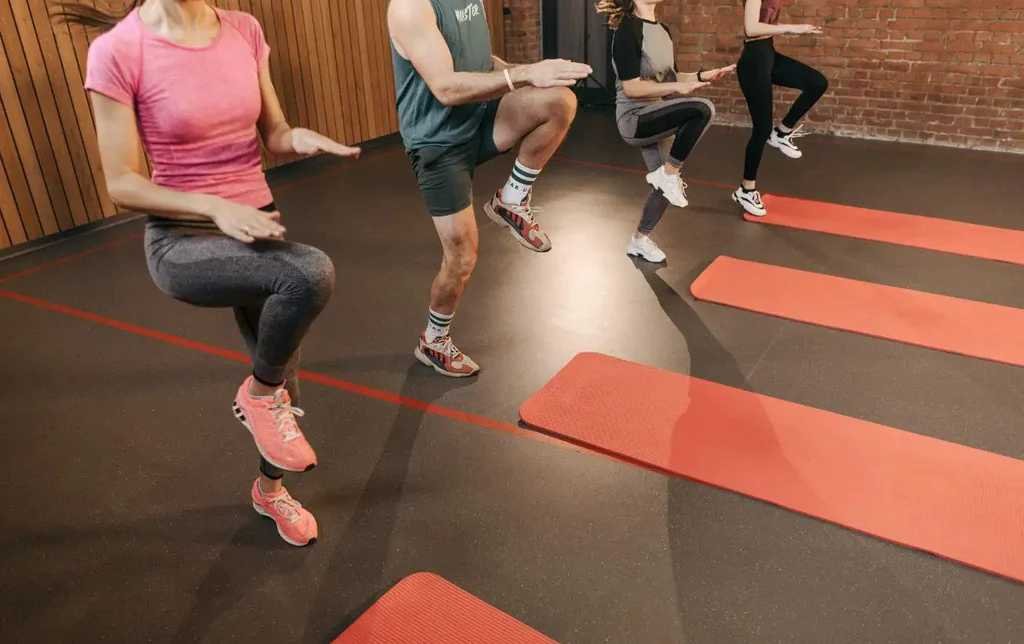
Yes, jogging in place can be an effective cardio workout. It’s a simple, convenient way to get your heart rate up without needing much space or equipment. While it may not replace all forms of running or vigorous exercise, it definitely offers a good boost for your cardiovascular health, especially when you’re short on time or space.
Jogging in place is an accessible exercise that can seamlessly fit into your daily routine. It elevates your heart rate, burns calories, and improves endurance, making it a practical cardio option. Whether you’re working out at home or in the office, it’s a good way to stay active and boost your fitness levels without the need for a treadmill or outdoor space.
When considering if jogging in place is good cardio, it’s important to understand its benefits and limitations. This activity provides a quick, effective way to maintain cardiovascular health, especially during busy days. Although it might not match the intensity of running outdoors or on a treadmill, it still helps increase your heart rate, improve circulation, and burn calories — all vital components of good cardio exercise. It also offers the advantage of being low-impact, making it suitable for people of varying fitness levels or those with joint concerns. So, if you’re looking for a simple way to stay active and keep your heart healthy, jogging in place is definitely worth adding to your routine.

Is Jogging in Place Good Cardio?
Many people ask if jogging in place offers enough cardiovascular benefits to improve health and fitness. The answer depends on several factors, including your goals, effort level, and how you incorporate this activity into your routine. Let’s explore what jogging in place can do for your heart and overall fitness.
Understanding Cardio and Its Benefits
Cardio exercises increase your heart rate and breathing, helping strengthen your heart and lungs. Regular cardio supports weight loss, boosts energy, and improves mood. Important types include running, cycling, swimming, and yes, jogging in place.
How Jogging in Place Works as Cardio
When you jog in place, you simulate the motion of running without moving forward. This activity raises your heart rate if done with enough intensity. It’s a convenient way to get some cardio in, especially when space or time is limited.
Intensity Levels of Jogging in Place
You can adjust how hard you work by increasing speed or adding movements like high knees or jumping jacks. Higher intensity boosts calorie burn and cardiovascular benefits. Low to moderate effort still helps, especially for beginners or those with joint issues.
Benefits of Jogging in Place for Cardio
- Convenience: Can do anywhere, anytime, no equipment needed.
- Low Cost: Free exercise option for all budgets.
- Low Impact: Gentler on joints compared to high-impact running.
- Boosts Heart Health: Elevates your heart rate for improved cardiovascular function.
- Can Burn Calories: Depending on effort, can help with weight management.
- Improves Endurance: Regular practice increases stamina over time.
Comparing Jogging in Place to Other Cardio Exercises
| Exercise | Calorie Burn (per 30 minutes) | Impact Level | Equipment Needed |
|---|---|---|---|
| Jogging in Place | 150-240 calories | Low to Moderate | None |
| Running Outside | 300-450 calories | High | Running Shoes |
| Cycling | 200-500 calories | Low to Moderate | Bike |
| Swimming | 200-400 calories | Low to Moderate | Pool or Open Water |
Factors Influencing the Effectiveness of Jogging in Place
Effort and Intensity
The higher the effort, the more your heart rate increases. Incorporating movements like knee lifts or jumping can elevate intensity. Use a heart rate monitor to ensure you’re reaching your target zone.
Duration and Frequency
For health benefits, aim for at least 150 minutes of moderate activity weekly. Breaking it into sessions of 10 to 20 minutes is effective. Consistency is key to seeing cardiovascular improvements.
Adding Variations and Progression
Mixing up movements keeps your workout interesting and challenges your body. Increase speed over time or add small weights to boost intensity. These steps help you continually improve your cardio capacity.
Limitations of Jogging in Place as Cardio
While jogging in place offers many benefits, it has some limitations. It may not be sufficient for advanced athletes or those aiming for high-performance goals. Also, repetitive movements can lead to boredom, making it harder to stay motivated.
Potential for Overuse Injuries
Repetitive motion without proper technique can cause strain, particularly in knees or hips. Ensuring proper form and wearing supportive shoes can minimize injury risk.
Less Engagement of Muscles
Jogging in place primarily targets lower body muscles but may lack the full-body engagement that other cardio forms offer. Complementing it with strength training can balance your workout.
How to Maximize Cardio Benefits from Jogging in Place
Include Intervals
Alternate between high-intensity bursts and recovery periods. For example, jog fast for 30 seconds, then walk or slow jog for 30 seconds. Repeat for 10 to 15 minutes.
Combine with Strength Exercises
Follow your jogs with bodyweight exercises like squats, lunges, or push-ups. This combination enhances overall fitness and muscle endurance.
Use Proper Form
Keep your back straight, engage your core, and land softly on your feet. Proper technique reduces injury risk and makes your workout more effective.
Additional Tips for Effective Cardio Sessions
- Warm Up: Always start with a 3-5 minute warm-up to prepare your muscles.
- Stay Hydrated: Drink water before, during, and after exercise.
- Cool Down: End with light stretching to relieve muscle tension.
- Listen to Your Body: Stop if you experience pain or dizziness.
Related Topics
Other Low-Impact Cardio Options
Activities like brisk walking, elliptical training, and dancing also provide cardiovascular benefits with less joint stress. These can be great alternatives or complements to jogging in place.
Integrating Cardio into Daily Life
Simple changes like taking stairs, walking during breaks, or doing quick workouts during commercials can add up to improve heart health. Consistent movement builds a strong foundation for overall wellness.
Creating a Balanced Fitness Routine
A well-rounded program combines cardio, strength training, flexibility exercises, and rest. This approach promotes overall health, prevents injuries, and keeps motivation high.
In summary, jogging in place can be a good cardio activity if done with enough effort and consistency. While it may not replace outdoor running or other high-impact exercises for advanced fitness goals, it offers a practical, accessible way to improve heart health and stay active. Combining it with other forms of exercise can provide a comprehensive approach to maintaining fitness and well-being.
Frequently Asked Questions
Can jogging in place help improve cardiovascular endurance?
Jogging in place can be an effective way to boost your cardiovascular endurance when done regularly. It raises your heart rate and keeps it elevated for a sustained period, which strengthens your heart and lungs over time. Incorporating intervals of faster pace or adding variations can further challenge your system and promote endurance gains.
What are the benefits of jogging in place compared to running outdoors?
Jogging in place offers the convenience of exercising indoors without the need for much space or equipment. It allows you to work out regardless of weather conditions and can be easier on your joints compared to outdoor running, especially on hard surfaces. While it may lack some of the outdoor scenery and varied terrain, it still provides an effective cardiovascular workout.
How can I maximize the cardio benefits of jogging in place?
To get the most out of jogging in place, increase your pace gradually and incorporate intervals of higher intensity. Use arm movements to engage more muscle groups and maintain good posture to prevent fatigue. Adding knee lifts or jumping motions can intensify the workout, helping to elevate your heart rate further.
Is jogging in place suitable for beginners looking to improve their fitness?
Absolutely, jogging in place is a beginner-friendly option that allows newcomers to build stamina without overwhelming themselves. It enables you to start at a comfortable pace and gradually increase intensity as your fitness level improves. It also provides a low-impact alternative to running, making it easier to stick with consistently.
How does the impact level of jogging in place compare to other cardio exercises?
Jogging in place generally has a lower impact than running outdoors, especially on hard surfaces, because you have more control over your movements and can modify your stride. It reduces stress on your joints while still providing a good cardiovascular challenge. However, the impact can increase if you add jumping or high knees, so adjusting intensity based on your comfort level is important.
Final Thoughts
Jogging in place offers an effective cardiovascular workout that improves endurance and burns calories. It’s convenient and accessible, making it easy to fit into busy schedules. This exercise can boost heart health and increase stamina without requiring special equipment.
In conclusion, is jogging in place good cardio? Yes, it provides a practical way to enhance your cardiovascular fitness and stay active. Incorporate it into your routine for a simple, effective workout.
As an Amazon Associate, We earn from qualifying purchases. When you purchase a product through Amazon links on pulsefitguide.com, we may earn a small commission at no extra cost to you. This helps support the site and keep our content free.