
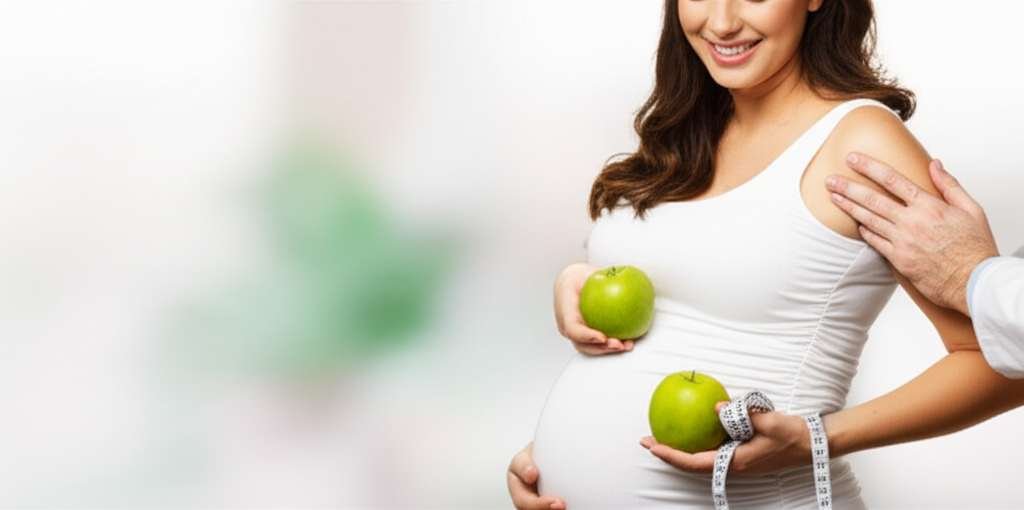
Quick Summary: Generally, trying to actively lose fat while pregnant is NOT recommended. Focus on healthy weight gain and nutrition. Consult your doctor for personalized advice.
Are you feeling a bit confused about weight during pregnancy? You’re not alone. Many people wonder if they can or should try to lose weight while expecting. It’s a common question, and the information out there can sometimes feel overwhelming.
This guide is here to break it down in a simple, supportive way. We’ll explore what’s generally advised and why, focusing on your health and your baby’s well-being.
Let’s dive into expert advice to help you understand pregnancy weight goals.
Understanding Weight Gain During Pregnancy

Pregnancy is a time of incredible change for your body. Your body is working hard to grow a new life, and that requires energy and nutrients. This process naturally leads to weight gain.
The amount of weight you’re meant to gain depends on your health before pregnancy. Your doctor or midwife is the best person to talk to about what’s right for you.
This weight gain isn’t just about fat; it includes the baby, placenta, amniotic fluid, increased blood volume, and changes in your body’s tissues.
Why is Weight Gain Important?
Healthy weight gain is crucial for a healthy pregnancy. It ensures your baby gets the nutrients they need to grow and develop properly. It also prepares your body for labor and breastfeeding.
Gaining too little weight can sometimes be linked to babies being born too small. Gaining too much weight can also present its own set of challenges. Finding that healthy middle ground is key.
Your healthcare provider will monitor your weight gain throughout your pregnancy. They use this as one of many indicators of how things are progressing.
Is It Safe To Try And Lose Fat While Pregnant?
The general medical consensus is that actively trying to lose weight or “diet” during pregnancy is usually not recommended or safe. Your body needs extra calories and nutrients to support the baby’s growth.
Trying to restrict calories too much can deprive your developing baby of essential nutrients. This can impact their growth and overall health. It can also affect your own energy levels and well-being.
Instead of focusing on losing fat, the goal during pregnancy is typically to achieve healthy weight gain. This means eating a balanced diet and staying active in ways that are safe for you.
Potential Risks of Trying to Lose Weight During Pregnancy
Actively trying to lose weight can come with significant risks for both you and your baby. These risks are why healthcare providers strongly advise against it.
- Nutrient Deficiencies: Restricting food intake can lead to you and your baby not getting enough vitamins and minerals essential for development.
- Fetal Growth Restriction: Not enough nutrients can hinder the baby’s growth, potentially leading to a low birth weight.
- Ketosis: When your body burns fat for energy due to severe calorie restriction, it can produce ketones. High levels of ketones can be harmful to fetal development.
- Maternal Health Issues: You might experience fatigue, dizziness, and other health problems if you’re not getting adequate nutrition.
- Impact on Breastfeeding: Severe dieting during pregnancy can sometimes affect your body’s ability to produce enough milk later on.
The focus should always be on nourishing yourself and the baby, not on shrinking your body. The changes you experience are a natural and vital part of creating life.
When Might Weight Loss Be Discussed?
While actively losing fat is discouraged, there are specific situations where a healthcare provider might discuss weight management strategies. This is usually in cases of severe obesity before pregnancy.
In these rare cases, the goal isn’t dramatic weight loss but rather maintaining a stable weight or achieving very slow, carefully monitored weight gain. This would be done under strict medical supervision.
Your doctor will consider your individual health status, pre-pregnancy BMI, and any existing medical conditions. The priority remains the health of both mother and baby.
If you have concerns about your weight before or during pregnancy, having an open conversation with your doctor is the most important first step.
Pre-Pregnancy Weight and Recommendations
Your weight before pregnancy plays a significant role in how much weight gain is recommended. Healthcare providers use Body Mass Index (BMI) as a general guideline. BMI is a measure that uses your height and weight to estimate body fat.
Here’s a general idea of recommended weight gain based on pre-pregnancy BMI, according to the National Academies of Sciences, Engineering, and Medicine:
| Pre-Pregnancy BMI Category | Recommended Total Weight Gain (lbs) | Recommended Weekly Gain (2nd & 3rd Trimester) |
|---|---|---|
| Underweight (< 18.5) | 28–40 lbs | About 1 lb |
| Normal Weight (18.5–24.9) | 25–35 lbs | About 1 lb |
| Overweight (25–29.9) | 15–25 lbs | About 0.6 lbs |
| Obese (≥ 30) | 11–20 lbs | About 0.5 lbs |
It’s important to remember that these are general guidelines. Your doctor will provide personalized advice based on your unique situation. They will consider factors beyond just BMI.
Focusing on Healthy Eating Instead of Dieting
Instead of thinking about “losing fat,” shift your focus to nourishing your body with healthy, balanced meals. This approach supports a healthy pregnancy and can help manage weight gain appropriately.
A healthy pregnancy diet includes a variety of nutrient-rich foods. These provide the building blocks for your baby’s development and keep you energized.
Think of it as fueling a marathon, not restricting yourself. You need the right kind of energy for this amazing journey.
Key Components of a Healthy Pregnancy Diet
Eating well during pregnancy means focusing on nutrient density. This means getting the most nutritional value from the foods you consume.
- Fruits and Vegetables: Aim for a rainbow of colors to get a wide range of vitamins, minerals, and fiber.
- Whole Grains: Choose options like brown rice, quinoa, oats, and whole-wheat bread for fiber and sustained energy.
- Lean Proteins: Include sources like chicken, fish (low-mercury options), beans, lentils, and tofu to help build baby’s tissues.
- Healthy Fats: Avocados, nuts, seeds, and olive oil are important for brain development.
- Dairy or Fortified Alternatives: Calcium and Vitamin D are crucial for bone development.
It’s also important to stay hydrated by drinking plenty of water throughout the day. This aids digestion and helps transport nutrients.
Foods to Limit or Avoid
Certain foods carry a higher risk of foodborne illness or contain substances that can be harmful during pregnancy. It’s wise to be mindful of these.
- Raw or Undercooked Meats, Poultry, and Seafood: These can harbor bacteria like Salmonella or Listeria.
- High-Mercury Fish: Limit fish like shark, swordfish, king mackerel, and tilefish. Opt for low-mercury choices like salmon, shrimp, and cod.
- Unpasteurized Dairy Products and Juices: These can contain Listeria.
- Deli Meats and Hot Dogs: Unless heated until steaming hot, these can be a risk for Listeria.
- Raw Sprouts: These can carry bacteria.
- Excessive Caffeine: The American College of Obstetricians and Gynecologists (ACOG) recommends limiting caffeine intake to less than 200 mg per day.
Always discuss any specific dietary concerns or restrictions with your healthcare provider.
The Role of Safe Exercise During Pregnancy
While you shouldn’t focus on losing fat, staying active with safe exercises can be very beneficial during pregnancy. Exercise can help manage weight gain, improve mood, boost energy levels, and prepare your body for labor.
The key is to choose activities that are safe and appropriate for pregnancy. Always get your doctor’s approval before starting or continuing an exercise program.
Listen to your body. Pregnancy is not the time to push yourself to your limits or try new, strenuous activities.
Benefits of Exercise During Pregnancy
Regular, moderate exercise offers a wealth of advantages for expectant mothers.
- Helps manage healthy weight gain.
- Reduces backaches and constipation.
- Improves sleep quality.
- Boosts mood and energy levels.
- Can lead to a shorter labor and easier recovery.
- Helps prevent or manage gestational diabetes.
It’s about feeling good and staying healthy for yourself and your baby.
Safe Exercise Options
Many forms of exercise are perfectly safe and beneficial during pregnancy, provided you have your doctor’s okay.
Recommended Activities:
- Walking: A low-impact, accessible exercise for most.
- Swimming: The buoyancy of water reduces stress on joints.
- Prenatal Yoga: Focuses on stretching, breathing, and relaxation.
- Stationary Cycling: A good cardiovascular workout, just be mindful of balance.
- Low-Impact Aerobics: Classes designed for pregnant women.
Activities to Approach with Caution or Avoid:
- High-impact sports like basketball, soccer, or volleyball.
- Activities with a high risk of falling (e.g., skiing, horseback riding).
- Scuba diving.
- Exercises where lying flat on your back for extended periods is required (especially after the first trimester).
- Contact sports.
Always pay attention to your body. If something feels wrong, stop. Hydration is also crucial, so drink water before, during, and after exercise.
Postpartum Weight Loss: A Different Approach
After your baby is born, your body will need time to recover. The focus then shifts to healing and adjusting to life with a newborn.
Once you’ve recovered and feel ready, and with your doctor’s clearance, you can start thinking about postpartum weight loss. This is a much more appropriate time to focus on shedding any extra weight gained during pregnancy.
The postpartum period is a sensitive time. Extreme dieting is still not recommended, as your body needs nutrients for healing and, if you are breastfeeding, for milk production.
Breastfeeding and Weight Loss
If you choose to breastfeed, your body needs extra calories to produce milk. Aggressive weight loss efforts while breastfeeding can potentially reduce your milk supply and impact your energy levels.
Gradual, healthy weight loss is generally safe for breastfeeding mothers. Aiming to lose about 1-2 pounds per week is usually considered sustainable and safe.
Focus on a balanced diet and gentle exercise. Your doctor can provide guidance on safe and effective postpartum weight loss strategies, especially if you are breastfeeding.
When to Talk to Your Doctor About Postpartum Weight
It’s a good idea to discuss postpartum weight loss with your doctor during your 6-week check-up, or whenever you feel ready. They can assess your recovery and offer personalized advice.
Factors like how your delivery went, your overall health, and whether you are breastfeeding will all influence the best approach for you.
Remember, your body has just done something amazing. Be patient and kind to yourself during the postpartum recovery period.
Frequently Asked Questions (FAQ)
Here are some common questions beginners have about weight during pregnancy.
Can I start a new diet to lose weight while pregnant?
No, it’s generally not safe to start a new diet with the goal of losing weight while pregnant. Pregnancy requires adequate nutrition for both you and the baby’s development. Consult your doctor before making significant dietary changes.
What if I was overweight before pregnancy? Should I still gain weight?
Yes, even if you were overweight before pregnancy, some weight gain is usually necessary. The recommended amount is typically less than for someone with a normal BMI, but your doctor will determine this based on your individual health and BMI. The focus is on healthy gain, not loss.
Is it okay to lose a little bit of weight in the first trimester?
Some women experience a slight weight loss in the first trimester due to nausea and vomiting (morning sickness). If this is happening and you’re able to keep some food and fluids down, it’s often not a cause for concern. However, if you’re losing a significant amount of weight or can’t keep anything down, you should contact your doctor immediately.
How much weight gain is considered healthy during pregnancy?
The recommended weight gain varies based on your pre-pregnancy BMI. For someone with a normal BMI, it’s typically 25-35 pounds. For those who are overweight or obese, the recommended gain is lower. Your doctor will give you specific targets.
What are the signs I’m not gaining enough weight?
Signs might include feeling unusually tired, your doctor noting slower-than-expected fundal height growth (measuring the uterus), or concerns about fetal growth. Your healthcare provider will monitor your weight and your baby’s development closely.
Should I avoid all fats while pregnant?
Absolutely not! Healthy fats are crucial for your baby’s brain development and your own health. Focus on unsaturated fats found in avocados, nuts, seeds, and olive oil. Avoid unhealthy trans fats and limit saturated fats.
What if I feel guilty about gaining weight?
It’s common to have feelings about your changing body. Remember that weight gain is a natural and necessary part of a healthy pregnancy. Focus on nourishing yourself and your baby with good food and staying active safely. Your body is working hard to grow a life, and that’s an incredible feat!
Conclusion
Navigating weight during pregnancy can feel complex, but the core message is clear: focus on health, not on losing fat. Your body is undergoing a remarkable transformation to nurture a new life, and this process naturally involves weight gain.
Actively trying to lose weight or restrict calories during pregnancy can pose risks to both you and your developing baby. Instead, prioritize a balanced, nutrient-rich diet and safe, moderate exercise, always under the guidance of your healthcare provider.
By working closely with your doctor, you can ensure you’re meeting your nutritional needs, managing weight gain appropriately, and supporting a healthy pregnancy journey from start to finish. Be patient with your body, celebrate the changes, and trust the process.
As an Amazon Associate, We earn from qualifying purchases. When you purchase a product through Amazon links on pulsefitguide.com, we may earn a small commission at no extra cost to you. This helps support the site and keep our content free.