

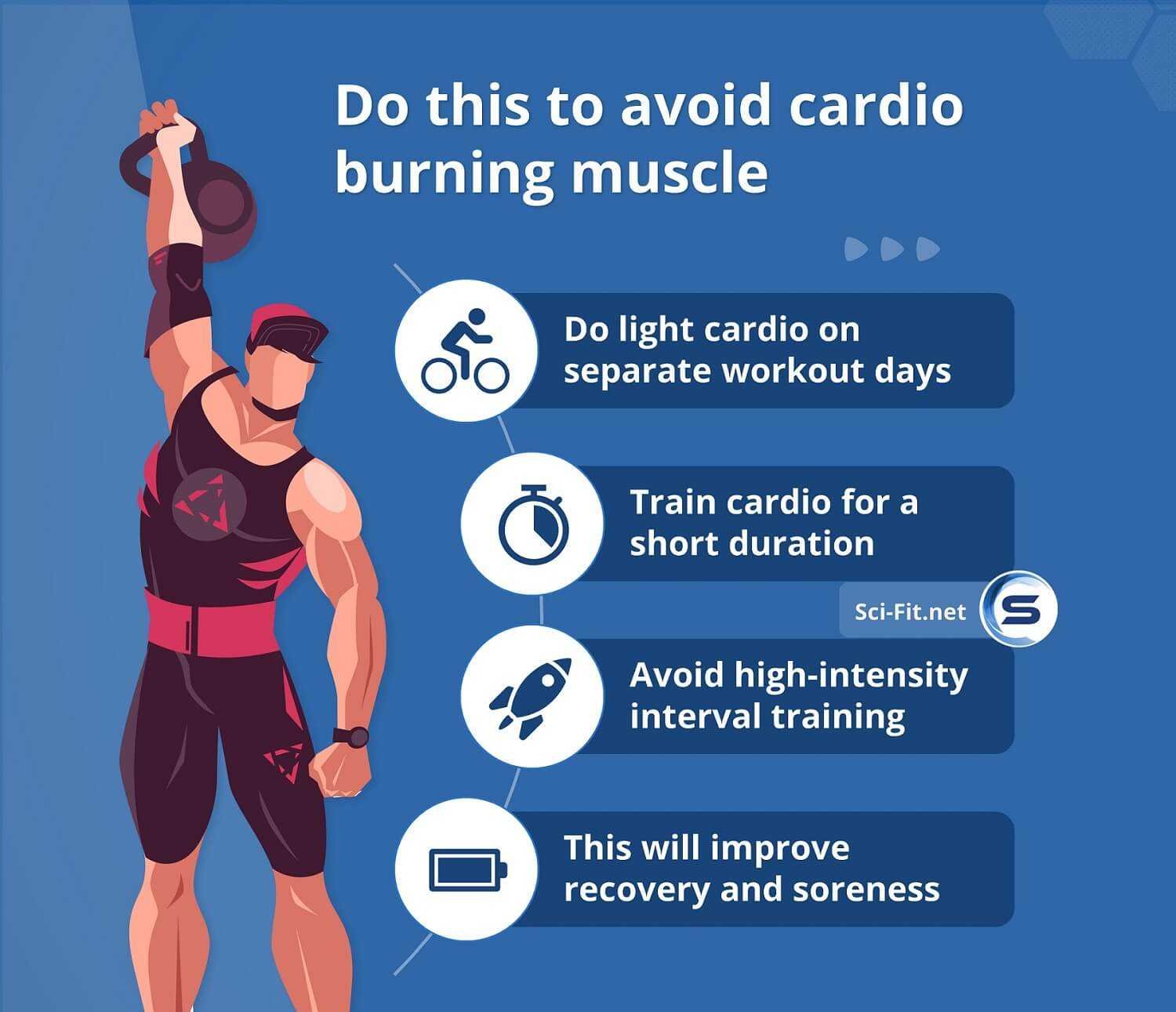
Absolutely, doing light cardio on rest days can be beneficial and is generally okay, as long as it doesn’t turn into intense activity. Engaging in low-intensity cardio like walking or swimming can help with recovery, boost circulation, and keep your momentum going without overtaxing your muscles. However, pushing yourself too hard might hinder muscle repair and growth. The key is moderation and listening to your body. So, yes, a bit of gentle cardio can be a good idea on rest days, provided it complements your overall workout plan.
If you’re wondering whether you should skip or include cardio on your rest days, the answer depends on your fitness goals and how your body feels. Light cardio can support recovery and maintain your routine, but intense sessions can interfere with muscle repair. In this article, we’ll explore the benefits, risks, and best practices for incorporating cardio into your rest days, helping you stay active while giving your body the rest it needs to grow stronger.

Is It Ok to Do Cardio on Rest Days?
Many people wonder whether doing cardio on rest days is beneficial or harmful. Rest days are meant to give your muscles time to recover, but some feel that light activity can help them stay active without overtaxing their bodies. Let’s explore whether cardio on rest days is a good choice or if it could interfere with your fitness goals.
What Are Rest Days in a Fitness Routine?
Rest days are scheduled periods in your workout routine when you avoid intense activity. They give your body a chance to recover, repair muscles, and prevent injuries. Rest days help prevent burnout and keep you motivated in the long run.
Why Do People Consider Doing Cardio on Rest Days?
Many think that doing some light cardio on rest days keeps them active without compromising recovery. It can also help with weight management, improve blood flow, and boost mood. Some athletes use active recovery as a way to stay consistent with their routines.
Understanding Active Recovery
What Is Active Recovery?
Active recovery involves doing low-intensity exercises, such as walking, cycling, or swimming, on rest days. It is different from intense workouts because it doesn’t push your body to its limits.
Benefits of Active Recovery
- Enhances blood circulation, which helps muscles recover faster
- Reduces muscle soreness and stiffness
- Helps maintain a routine without overloading the body
- Can improve overall cardiovascular health
Is Light Cardio Effective on Rest Days?
Light cardio can be effective if done correctly. It helps increase blood flow and can promote quicker recovery. However, it should not be so intense that it causes fatigue or hinders muscular repair.
How Much Cardio Is Too Much?
Moderate activity, such as a 20 to 30-minute walk or gentle cycling, usually fits well within rest days. Intense cardio sessions can strain your muscles and may delay recovery. Listen to your body and adjust accordingly.
Potential Benefits of Doing Cardio on Rest Days
Improved Cardiovascular Health
Engaging in light cardio helps strengthen your heart and lungs, supporting overall health without risking overtraining.
Increased Circulation and Recovery
Blood flow delivers nutrients to muscles faster, helping to clear out waste products and reduce soreness.
Weight Management
Doing light cardio on rest days can help maintain caloric burn, aiding weight control efforts.
Mental Well-being
Exercise releases endorphins, which boost mood and reduce stress, contributing to mental health on rest days.
Risks of Doing Cardio on Rest Days
Overtraining and Fatigue
Too much activity, even light cardio, may lead to fatigue, especially if your body is still recovering from previous workouts.
Delayed Muscle Recovery
Excessive or vigorous cardio can interfere with muscle recovery, potentially hindering progress and increasing injury risk.
Burnout and Loss of Motivation
Overdoing cardio might cause burnout, making it harder to stay committed to your fitness routine.
How to Incorporate Cardio Safely on Rest Days
Listen to Your Body
If you feel tired or sore, take a full rest instead of doing cardio. Pay attention to signs of fatigue and adjust your activities accordingly.
Choose Low-Impact, Moderate-Intensity Activities
Opt for activities like walking, swimming, or gentle cycling. These low-impact options reduce stress on your joints and muscles.
Keep Duration Short
Limit cardio sessions to 20-30 minutes to prevent overexertion and promote active recovery without overloading your system.
Plan Rest Days Thoughtfully
Schedule light cardio on days when you feel well-rested and energized. Avoid doing it immediately after intense workout days.
Balancing Rest and Activity for Optimal Results
Striking the right balance is key. Rest days should allow your muscles to repair and grow stronger.
Customized Approach
Every individual is different. Some may benefit from light cardio, while others need complete rest. Adjust your routine based on how your body responds.
Listen to Recovery Cues
If you notice persistent soreness or fatigue, consider taking an extra rest day or sticking to gentle activity.
Related Topics to Consider
- Cross-Training: Incorporating different types of exercise can prevent overuse injuries and keep workouts interesting.
- Nutrition for Recovery: Proper nutrition supports muscle repair and energy replenishment during rest days.
- Sleep and Rest: Quality sleep is crucial for recovery and overall health, especially when engaging in regular exercise.
Summary
Doing light cardio on rest days can be beneficial, as long as it is approached thoughtfully. It promotes circulation, aids recovery, and supports overall health. However, excessive or intense cardio should be avoided, as it may hinder recovery and lead to fatigue. The key is to listen to your body, choose appropriate activities, and balance rest and activity for optimal results in your fitness journey.
Frequently Asked Questions
Is it beneficial to include light cardio on rest days?
Yes, engaging in light cardio on rest days can promote active recovery. It helps increase blood flow, which aids in reducing muscle soreness and removing metabolic waste. However, it’s important to keep the intensity low and avoid overexertion to ensure your body fully recovers and rebuilds.
Can doing high-intensity cardio on rest days interfere with muscle recovery?
High-intensity cardio can potentially hinder muscle recovery if it causes excessive fatigue or stress on your muscles. Rest days should primarily focus on recovery, so it’s best to limit high-intensity sessions. Save intense cardio for training days and opt for moderate or light activities during rest periods.
How does cardio on rest days impact overall workout progress?
Incorporating gentle cardio on rest days can support your fitness goals by enhancing cardiovascular health and maintaining activity levels. However, doing too much or high-impact cardio may strain your recovery process, possibly slowing down progress. Balance is key to ensuring cardio complements your training rather than impeding it.
Is it okay to do cardio if I feel sore or疲れた after workouts?
If you’re sore or fatigued, it’s wise to opt for low-impact activities like walking or stretching rather than intense cardio. Doing so can help speed up recovery without adding undue stress to your muscles. Always listen to your body and prioritize rest if needed.
Final Thoughts
Doing cardio on rest days depends on your goals and recovery needs. Light activities like walking or gentle cycling can boost circulation and aid muscle recovery. However, intense cardio might strain muscles and hinder rest.
Listening to your body remains crucial. Rest days help your muscles repair and prevent burnout.
In conclusion, is it ok to do cardio on rest days? Yes, if you choose low-impact exercises and prioritize recovery. Always balance activity and rest for optimal results.
As an Amazon Associate, We earn from qualifying purchases. When you purchase a product through Amazon links on pulsefitguide.com, we may earn a small commission at no extra cost to you. This helps support the site and keep our content free.