

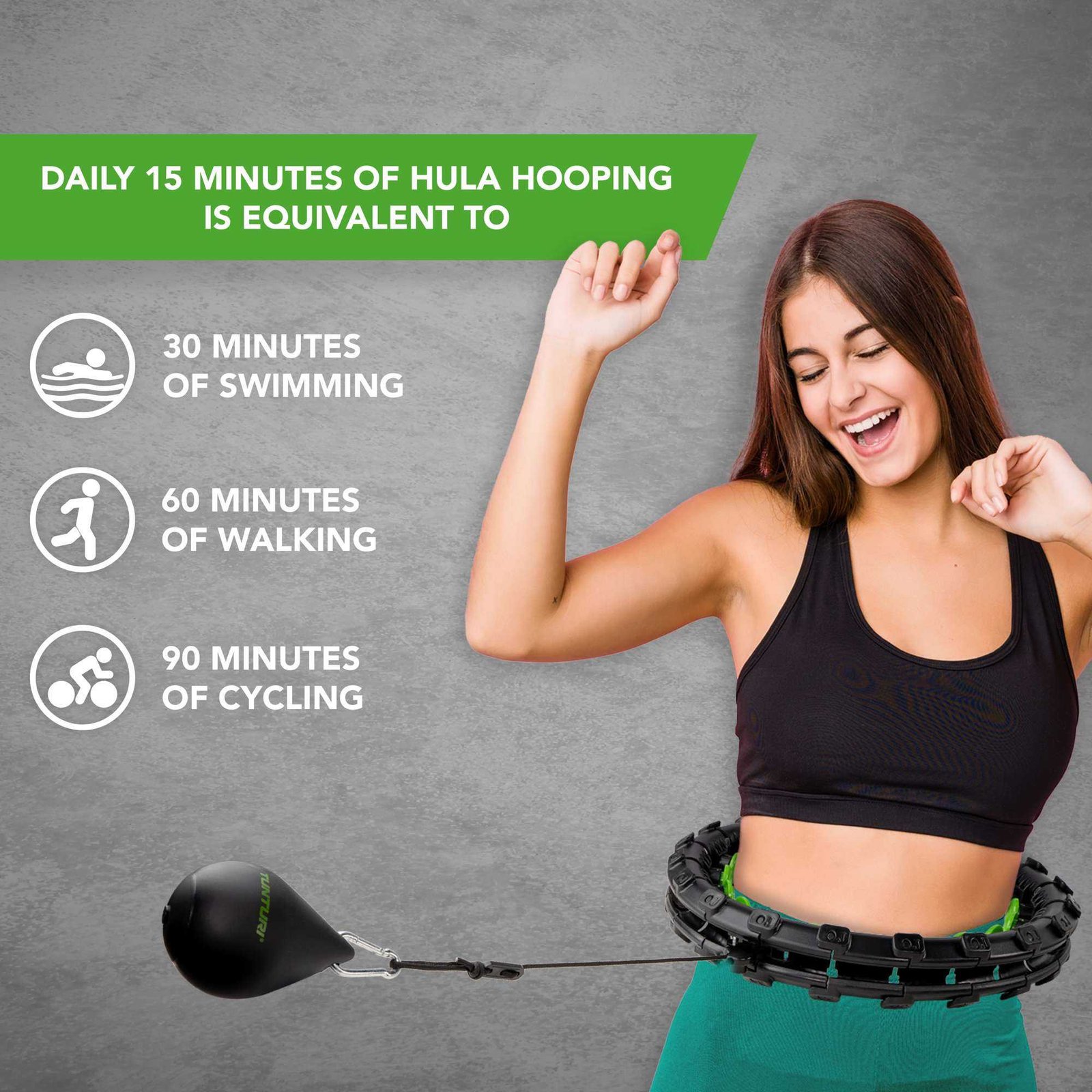
Yes, hula hooping can be a cardio workout. It’s a fun, dynamic way to get your heart pumping and burn calories, making it an effective form of aerobic exercise. If you’re wondering whether hula hooping counts as cardio, the answer is a resounding yes—when done with enough intensity and duration it boosts your cardiovascular health and helps with weight loss.
Hula hooping is more than just a childhood pastime; it’s a full-body exercise that combines rhythm, movement, and core strength, providing a great cardio workout. Whether you’re spinning for fun or aiming for fitness goals, incorporating hula hooping into your routine can elevate your heart rate and improve endurance. Keep reading to discover how this playful activity can turn into a powerful workout tool.

Is Hula Hooping Cardio? Everything You Need to Know
Understanding the Cardio Benefits of Hula Hooping
Hula hooping is more than just a fun activity for children. It actually offers a great cardiovascular workout that can improve heart health. When you keep the hoop spinning around your waist, your body is engaging multiple muscle groups, increasing your heart rate. This makes it an effective way to burn calories and boost your endurance.
How Hula Hooping Raises Your Heart Rate
The continuous movement involved in hooping causes your heart to pump faster. Maintaining a steady rhythm with the hoop can elevate your heart rate to moderate or vigorous levels. You might find yourself breathing heavier and feeling warm, which indicates you’re getting a good cardio workout.
Calories Burned During Hula Hooping
Many people wonder how many calories they burn while hooping. On average, a person weighing around 150 pounds can burn approximately 200 to 300 calories in just 30 minutes of hula hooping. Heavier individuals tend to burn more, making it an effective exercise for weight loss or weight maintenance.
Comparing Hula Hooping to Other Cardio Exercises
Hula hooping offers comparable calorie burn to activities like brisk walking, cycling, or even dancing. Unlike some activities that require special equipment or locations, hooping can be done almost anywhere. Its low-impact nature makes it suitable for people of all ages and fitness levels.
Incorporating Hula Hooping into a Cardio Routine
To maximize cardio benefits, consider adding hooping to your regular workout schedule. Start with short sessions of 10 to 15 minutes and gradually increase the duration. You can also combine hooping with other exercises like jumping jacks or running in place for a varied cardio workout.
Types of Hula Hoops for Cardio Training
Not all hoops are created equal when it comes to cardio. Weighted hoops, which include added mass, require more effort and burn more calories. Lightweight hoops are easier to handle and perfect for beginners. For intense cardio sessions, weighted hoops can enhance calorie burn and muscle engagement.
Weighted vs. Lightweight Hoops
- Weighted Hoops: Usually between 1 to 3 pounds, they help strengthen muscles while increasing calorie expenditure.
- Lightweight Hoops: Easy to spin for longer durations, ideal for beginners or light cardio routines.
Benefits of Regular Hula Hooping for Cardio Health
Regularly hooping can lead to improved cardiovascular health, increased stamina, and better lung capacity. It can also promote better circulation and reduce the risk of heart disease. Many users report feeling more energetic and healthier after consistent hooping sessions.
Safety Tips for Effective Cardio Hula Hooping
Always start slowly to prevent strain or injury. Wear comfortable clothing and suitable footwear for stability. Ensure you have enough space around you to avoid accidents. Listening to your body and gradually increasing intensity helps prevent overexertion.
Common Mistakes to Avoid During Cardio Hula Hooping
Some common errors include using the wrong hoop size or technique, which can lead to fatigue or injury. Avoid staying in one position for too long or spinning too fast without proper control. Focus on smooth, consistent movements for a sustainable workout.
Additional Benefits of Cardio Hula Hooping
Aside from heart health, hooping can improve balance, coordination, and core strength. It offers a stress-relieving activity that can boost your mood. Because it involves rhythmic movement, it can also enhance motor skills and spatial awareness.
Integrating Hula Hooping into a Fitness Program
Combine hula hooping with strength training, stretching, or aerobic sessions for a comprehensive fitness routine. Set weekly goals, such as hooping for five days a week for 20-minute sessions. Tracking your progress helps keep motivation high and enhances results.
Related Topics for Cardio Enthusiasts
Explore other fun cardio options like dance workouts, jump rope exercises, or aerobic classes. Many of these activities complement hooping and can create diverse exercise routines. Incorporating variety helps prevent boredom and promotes overall fitness.
Hula hooping is a lively, effective way to boost your cardio health while having fun. Its accessibility and low-impact nature make it suitable for people of all ages and fitness levels. Regular practice can improve your heart health, burn calories, and enhance your physical well-being—all with a simple hoop.
Frequently Asked Questions
Can hula hooping help improve cardiovascular health?
Yes, hula hooping provides a good cardiovascular workout by increasing your heart rate. Regular sessions can enhance your heart and lung efficiency, leading to better overall cardiovascular health over time.
How intense is the workout when hula hooping?
The intensity depends on how vigorously you hoop and the duration of your sessions. Generally, it can range from moderate to vigorous exercise, making it effective for burning calories and boosting endurance.
Does hula hooping burn a significant amount of calories?
Hula hooping can burn a considerable number of calories, especially when done continuously for an extended period. It engages multiple muscle groups, helping you stay active and support weight loss goals.
Is hula hooping suitable for all fitness levels?
Yes, hula hooping is adaptable to various fitness levels. Beginners can start with shorter sessions and lighter hoops, gradually increasing intensity and duration as they build strength and coordination.
How often should I incorporate hula hooping into my routine for cardio benefits?
For cardiovascular benefits, aim for at least 3 to 5 sessions per week, each lasting about 20 to 30 minutes. Consistency helps improve your fitness and maintains motivation.
Final Thoughts
Hula hooping is a fun way to stay active and improve coordination. It engages core muscles and boosts cardiovascular health, making it an effective workout.
Many people overlook hula hooping as a form of cardio, but it can burn significant calories in a short time. Its rhythmic motion keeps the heart rate elevated, encouraging weight loss.
In conclusion, is hula hooping cardio? Yes, it provides a lively, low-impact way to improve cardiovascular fitness while enjoying yourself.
As an Amazon Associate, We earn from qualifying purchases. When you purchase a product through Amazon links on pulsefitguide.com, we may earn a small commission at no extra cost to you. This helps support the site and keep our content free.