
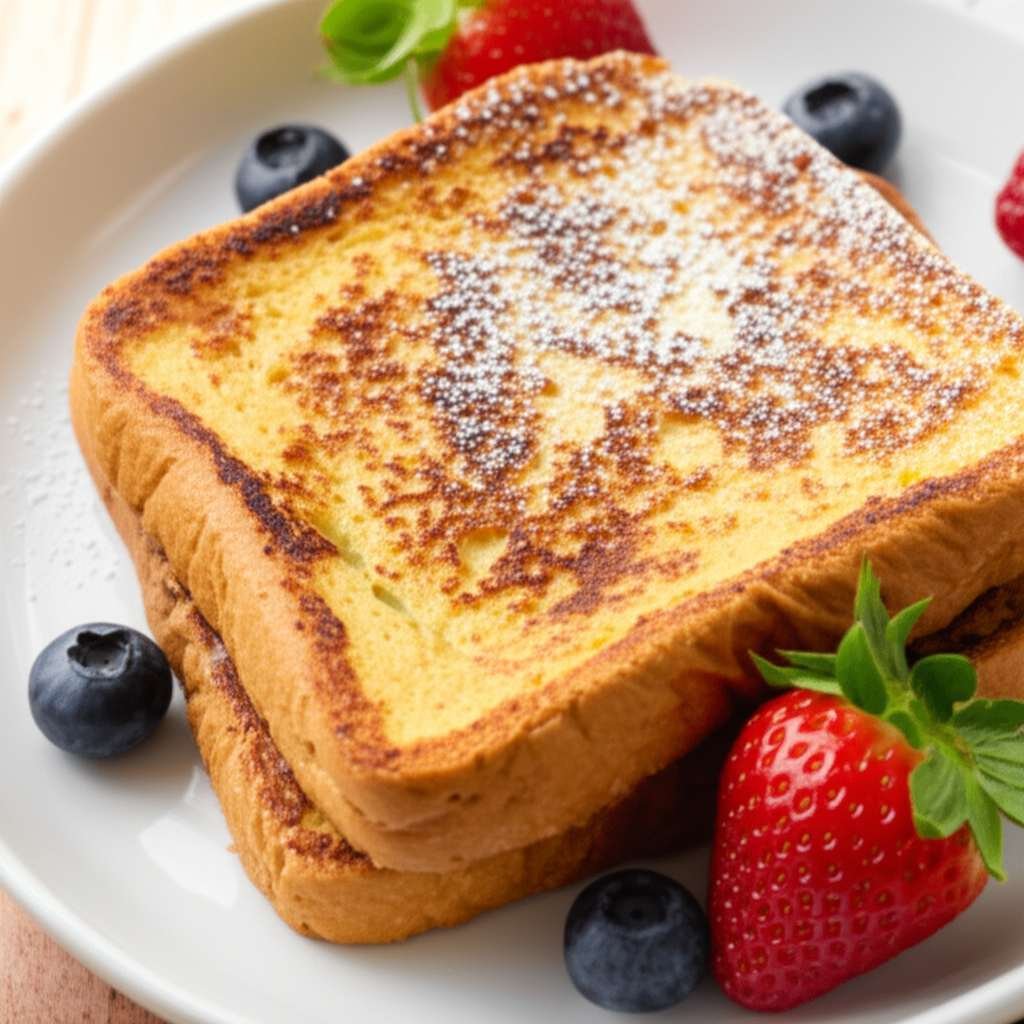
Yes, French toast can be part of a healthy weight loss plan! It’s all about how you make it and what you pair it with. We’ll show you how to enjoy it without derailing your goals. Let’s make this delicious breakfast work for you!
Hey there, fitness friends! Do you ever feel like you’re walking on a treadmill, going nowhere fast? Maybe you want to shed a few pounds or just feel more energized, but the thought of complicated diets and intense workouts feels overwhelming. I get it! Starting your fitness journey can feel like a big puzzle. But guess what? It doesn’t have to be!
My goal is to make getting healthy feel easy and fun, like a chat with your best buddy. We’re going to break down fitness and nutrition into simple, doable steps. Think of me as your personal cheerleader, here to help you celebrate every small victory. We’re not aiming for perfection; we’re aiming for progress, and that’s a journey we can all enjoy together.
Today, we’re tackling a question that might surprise you: “Is French toast healthy for weight loss?” You might be thinking, “French toast? For weight loss? No way!” But stick with me, because the answer might just make you smile. Get ready to learn how to enjoy a treat without the guilt!

French Toast: Can It Really Fit Your Weight Loss Plan?
Let’s dive right in! You love French toast. It’s warm, comforting, and delicious. But when you’re trying to lose weight, you might wonder if it’s a big no-no. The truth is, many foods we think are “off-limits” can actually fit into a balanced diet. It’s all about making smart choices.
French toast, at its core, is bread dipped in an egg and milk mixture, then cooked. It sounds pretty simple, right? The magic—or the challenge—comes from the ingredients we use and how we prepare it. We can totally make a version of French toast that fuels your body and helps you reach your weight loss goals.
Think of it this way: fitness isn’t about strict rules and giving up everything you love. It’s about finding a sustainable way to eat well and move your body that makes you feel good. And if that includes a delicious breakfast like French toast, then let’s figure out how to make it happen!
Your Step-by-Step Guide to Healthier French Toast
Ready to transform your French toast from a potential pitfall to a power breakfast? It’s easier than you think! We’re going to make a few simple swaps and additions that will boost its health factor without sacrificing that amazing taste.
Step 1: Choose Your Bread Wisely
The type of bread you use makes a huge difference. White bread is often made with refined flour, which doesn’t offer much in terms of nutrients and can spike your blood sugar.
Opt for Whole Wheat: Look for 100% whole wheat or whole grain bread. These have more fiber, which helps you feel fuller for longer and aids digestion.
Sourdough is Great Too: Some studies suggest sourdough bread can be easier to digest and has a lower glycemic index.
Thicker Slices: Using thicker slices means you’ll use fewer slices overall, which helps control portion size.
Step 2: Upgrade Your Batter
This is where we pack in extra goodness! Forget just eggs and milk. Let’s add some nutritional powerhouses.
Use Whole Eggs: They provide protein and healthy fats.
Add a Splash of Milk: Unsweetened almond milk, soy milk, or skim milk are great options.
Boost with Protein Powder: A scoop of your favorite vanilla or unflavored protein powder can make your French toast more filling and support muscle growth.
Flavor with Cinnamon and Vanilla: These add delicious taste without extra calories. Cinnamon is also linked to blood sugar control!
Skip the Sugar: Avoid adding sugar directly to your batter. We’ll get sweetness from toppings.
Step 3: Cook it Right
How you cook your French toast matters for managing calories and fat.
Use a Non-Stick Pan: This means you’ll need less oil or butter.
Minimal Healthy Fat: Use just a tiny bit of coconut oil, avocado oil, or a light spray of cooking oil.
Medium Heat: Cook until golden brown on both sides. Don’t rush it with high heat, which can burn the outside before the inside is cooked and might require more oil.
Step 4: Top it Smartly
This is often where the trouble starts! Sugary syrups and piles of butter can quickly turn a healthy meal into a calorie bomb. Let’s choose toppings that add flavor and nutrients.
Fresh Berries: Strawberries, blueberries, raspberries – packed with antioxidants and fiber!
Sliced Banana: Adds natural sweetness and potassium.
A Dollop of Greek Yogurt: High in protein, creamy, and tangy. It’s a fantastic substitute for whipped cream or syrup.
A Sprinkle of Nuts or Seeds: Almonds, walnuts, chia seeds, or flax seeds add healthy fats, protein, and fiber.
A Drizzle of Natural Sweetener (Sparingly): If you absolutely need a touch of sweetness, a very small drizzle of pure maple syrup or honey is better than the artificial stuff, but use it wisely!
Amazing Truths: Why This Healthier French Toast Works for Weight Loss
So, how does this super-powered French toast help you lose weight? It’s all about the ingredients and the way they make you feel.
Keeps You Full: The protein from eggs and optional protein powder, plus the fiber from whole-grain bread and toppings like berries and nuts, helps you feel satisfied for longer. This means you’re less likely to snack on unhealthy things an hour later.
Boosts Metabolism: Protein is great for metabolism. Your body uses more energy to digest protein than it does for carbs or fats.
Stabilizes Blood Sugar: Whole grains and cinnamon help prevent those sharp spikes and crashes in blood sugar that can lead to cravings. When your blood sugar is stable, you have more consistent energy and less desire for sugary treats.
Nutrient-Dense: By choosing whole-food ingredients, you’re packing your breakfast with vitamins, minerals, and antioxidants that your body needs to function at its best.
Simple Swaps for a Healthier Plate
Making small changes can lead to big results. Here are some easy swaps to boost the health factor of your French toast and your overall diet.
French Toast Ingredient Swaps:
Bread: White bread –> 100% Whole Wheat or Sourdough
Milk: Whole milk –> Unsweetened Almond Milk or Skim Milk
Sweetener in Batter: Added sugar –> Cinnamon and Vanilla Extract
Butter/Oil for Cooking: Large amount –> Light spray or tiny bit of coconut oil
Toppings: High-sugar syrup, butter –> Fresh berries, Greek yogurt, nuts
Healthy Topping Ideas:
Fresh berries (strawberries, blueberries, raspberries)
Sliced banana or apple
A spoonful of plain Greek yogurt
A sprinkle of chopped almonds or walnuts
A dash of cinnamon
A sprinkle of chia seeds or flax seeds
Fat-Burning Tips You Can Use Every Day
Weight loss isn’t just about breakfast; it’s about your whole lifestyle! Here are some simple tips to help you burn fat and feel great.
Daily Fat-Burning Boosters:
Hydrate! Drink plenty of water throughout the day. It helps with metabolism and keeps you feeling full. Aim for at least 8 glasses.
Move More: Take the stairs, park further away, go for a brisk walk. Every little bit counts!
Prioritize Sleep: Getting enough quality sleep (7-9 hours) is crucial for hormone balance, which affects appetite and fat storage.
Eat Lean Protein: Include lean protein sources like chicken, fish, beans, and Greek yogurt in all your meals. Protein helps build muscle and keeps you satisfied.
Fill Up on Fiber: Load up on vegetables, fruits, and whole grains. Fiber is your friend for feeling full and supporting a healthy gut.
Mindful Eating: Slow down when you eat. Pay attention to your hunger cues. This helps you enjoy your food more and recognize when you’re full.
Sample Healthy French Toast Meal Plan Idea
Here’s a peek at how you could incorporate healthy French toast into a day of eating for weight loss. Remember, portion sizes are key, and this is just an example!
Morning Delight:
Healthy French Toast: 2 slices of 100% whole wheat bread, dipped in a batter of 1 whole egg, 1/4 cup unsweetened almond milk, cinnamon, and vanilla. Cooked with a light spray of oil.
Toppings: 1/2 cup mixed berries and 2 tablespoons plain Greek yogurt.
Mid-Day Fuel:
Lunch: A large salad with grilled chicken breast or chickpeas, mixed greens, colorful veggies, and a light vinaigrette dressing.
Afternoon Recharge:
Snack: A small apple with a tablespoon of almond butter.
Evening Nourishment:
Dinner: Baked salmon or lean turkey breast with a generous serving of steamed broccoli and a small sweet potato.
This plan focuses on balanced meals with lean protein, healthy fats, and plenty of fiber. It shows that you can include delicious foods like French toast while still achieving your weight loss goals.
Workout Wonders: Fun Ways to Burn Fat
Adding physical activity is a game-changer for weight loss. You don’t need to be a marathon runner to see results! Here are some effective ways to get your heart pumping and burn fat.
Workout Types for Fat Burning:
| Workout Type | What it is | Benefits for Fat Loss | Example Activities |
| :—————- | :———————————————————————- | :—————————————————————————- | :—————————————————– |
| HIIT | High-Intensity Interval Training: short bursts of intense exercise with brief recovery periods. | Burns a lot of calories in a short time; boosts metabolism for hours after. | Burpees, jumping jacks, high knees, sprints, mountain climbers |
| Cardio | Activities that get your heart rate up and keep it there for a sustained period. | Improves heart health, burns calories during the workout, builds endurance. | Brisk walking, jogging, cycling, swimming, dancing |
| Strength Training | Exercises that use resistance to build muscle mass. | Builds muscle, which burns more calories at rest than fat does; tones the body. | Squats, lunges, push-ups, weightlifting, resistance bands |
Pro Tip: Aim for a mix of these! A good starting point could be 2-3 days of cardio, 2 days of strength training, and maybe 1 day of HIIT per week. Listen to your body and adjust as needed.
Common Mistakes to Avoid on Your Weight Loss Journey
We all make mistakes, and that’s okay! Learning from them is what helps us grow. Here are a few common pitfalls to watch out for as you work towards your weight loss goals.
Mistakes to Sidestep:
All-or-Nothing Thinking: Believing that one “off” meal or day ruins everything. Progress isn’t linear; it has ups and downs.
Skipping Meals: Trying to cut calories by skipping meals often backfires, leading to overeating later and nutrient deficiencies.
Focusing Only on the Scale: Weight fluctuates daily. Focus on how you feel, your energy levels, and non-scale victories like clothes fitting better.
Not Enough Protein or Fiber: These are key for satiety. Not eating enough can leave you feeling hungry and unsatisfied.
Dehydration: Not drinking enough water can slow metabolism and be mistaken for hunger.
Lack of Consistency: Sporadic workouts and healthy eating won’t yield lasting results. Consistency is key!
Comparing Yourself to Others: Everyone’s journey is unique. Focus on your own progress and celebrate your wins.
Frequently Asked Questions (FAQs)
Got more questions buzzing around your head? Let’s tackle some common ones!
How long does it take to burn fat?
It varies for everyone! You’ll start seeing changes and feeling better within a few weeks with consistent effort. For significant fat loss, think in terms of months, not days. Patience and consistency are your superpowers!
What’s the best time to work out?
Honestly? The best time is whenever you can stick with it! Some people love morning workouts to kickstart their day. Others prefer evenings to de-stress. Find what fits your schedule and energy levels.
Do I need a gym to lose weight?
Nope! You can absolutely lose weight and get fit at home. Bodyweight exercises, walking, running, and using simple equipment like resistance bands can be super effective. The most important thing is to move your body!
How can I stay motivated every day?
Motivation can be tricky! Try setting small, achievable goals. Find a workout buddy. Track your progress. Remind yourself why* you started. And remember to celebrate your wins, big or small!
What should I eat before or after exercise?
Before: A small, easily digestible snack like a banana or a handful of almonds about 30-60 minutes prior. After: Focus on protein and carbs within an hour or two to help with recovery. Think Greek yogurt with fruit or a chicken breast with some sweet potato.
How much water should I drink daily?
A general guideline is about 8 cups (64 ounces) a day. But this can change based on your activity level, climate, and individual needs. Listen to your body – if you’re thirsty, drink up!
How many rest days should I take?
Rest days are super important for muscle repair and preventing burnout. For beginners, 2-3 rest days per week is a good starting point. Listen to your body; if you’re feeling overly sore or fatigued, take an extra rest day.
Your Fitness Journey Starts Now!
See? French toast doesn’t have to be the enemy of your weight loss goals. By making a few smart choices about ingredients and toppings, you can enjoy this comforting breakfast guilt-free. It’s all about balance and making choices that fuel your body and make you feel good.
Remember, this journey is about progress, not perfection. Every healthy meal you choose, every walk you take, every time you choose to move your body – those are all wins! You’re building healthier habits one step at a time.
Keep moving, keep nourishing your body with good food, and most importantly, keep that positive energy going. You’ve got this – one step, one day at a time! Let’s go!
As an Amazon Associate, We earn from qualifying purchases. When you purchase a product through Amazon links on pulsefitguide.com, we may earn a small commission at no extra cost to you. This helps support the site and keep our content free.