

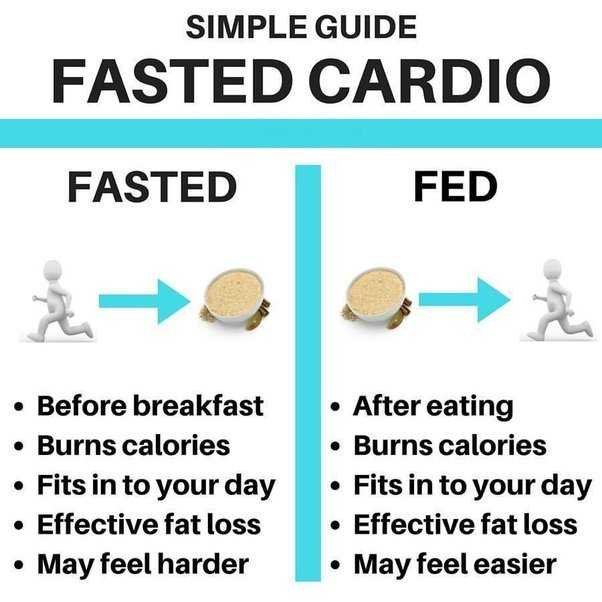
Fasting cardio has become a hot topic among fitness enthusiasts, with many wondering if working out on an empty stomach is more effective for fat loss. The quick answer is that it can be beneficial for some, but it’s not a one-size-fits-all solution—results vary based on individual goals and body responses. In short, fasting cardio might help increase fat burning during workouts, but it’s not necessarily superior for everyone or for every workout routine.
Many people swear by doing cardio first thing in the morning before breakfast, believing it boosts fat loss. However, others find they perform better and feel more energized when they’ve eaten beforehand. The key is understanding your body and listening to what feels right for you, rather than blindly following trends. Whether fasting cardio is better depends on your specific goals, lifestyle, and how your body reacts to exercising on an empty stomach.

Is Fasting Cardio Better? Exploring the Pros and Cons
Understanding Fasting Cardio
Fasting cardio involves exercising on an empty stomach, typically in the morning before eating breakfast. Many people believe that working out in a fasted state helps burn more fat. It’s a popular method among fitness enthusiasts aiming for quick fat loss.
Why Do People Prefer Fasting Cardio?
People choose fasting cardio because they think it boosts fat burning. The idea is that when you haven’t eaten, your body uses stored fat for energy instead of the food you just ate. Some also say it helps improve mental focus and saves time in the morning.
How Fasting Cardio Works
- You wake up and drink water or black coffee.
- You perform your workout without eating beforehand.
- Your body might turn to fat stores for energy because glycogen levels are low.
This process is thought to encourage your body to tap into fat reserves more effectively than when you have food readily available.
Scientific Evidence Behind Fasting Cardio
Research shows mixed results about fasting cardio. Some studies suggest that fasted workouts can increase fat oxidation, especially in the early stages of exercise. However, other studies say that total fat loss over time is similar whether you exercise fasted or fed.
Advantages of Fasting Cardio
- Potential increase in fat burning: Exercising on an empty stomach may enhance fat oxidation during the workout.
- Time efficiency: It allows you to exercise early in the day without needing to eat first.
- Possible appetite regulation: Some people feel less hungry after fasted workouts, helping control overall calorie intake.
Disadvantages and Risks of Fasting Cardio
- Lack of energy: Some feel sluggish or fatigued without prior food intake.
- Reduced workout intensity: It might be harder to perform high-intensity exercises when fasted.
- Muscle loss risk: Extended fasted workouts without proper nutrition afterward could lead to muscle breakdown.
- Impact on performance: For many, energy levels are lower, which can hinder workout quality.
Comparing Fasting and Fed Cardio
| Aspect | Fasting Cardio | Fed Cardio |
|---|---|---|
| Fat burning | May increase during workout | Burns fat but less pronounced in fasted state |
| Energy levels | Can be lower, depending on individual | Usually higher, especially if eaten beforehand |
| Workout intensity | Potentially reduced | Typically higher |
| Muscle preservation | Risk of muscle loss if not managed properly | Better muscle preservation with proper nutrition |
Best Practices for Fasting Cardio
Preparation Tips
- Stay well-hydrated before exercising.
- Start with moderate-intensity workouts to see how your body responds.
- Gradually increase intensity to prevent fatigue.
Post-Workout Nutrition
Always eat a balanced meal containing protein and carbohydrates after fasting cardio. This helps replenish glycogen stores and supports muscle recovery.
Who Should Avoid Fasting Cardio?
- Individuals with medical conditions such as diabetes or blood sugar issues.
- Pregnant women or breastfeeding mothers.
- People with a history of eating disorders.
- Anyone feeling dizzy, weak, or excessively fatigued during fasting workouts.
Alternative Approaches and Blended Strategies
If fasting cardio doesn’t suit you, consider eating a small snack before working out. Options like a banana, a slice of toast with peanut butter, or a protein shake can provide quick energy without compromising fat loss.
Another strategy is to do fasted cardio a few days a week and perform fed workouts on other days. This mixed approach can maximize benefits while minimizing drawbacks.
Incorporating Fasting Cardio Into Your Routine
Start slowly by performing low to moderate-intensity workouts in a fasted state. Listen to your body and increase intensity gradually. Consistency and proper nutrition afterward are essential for the best results.
Remember, no single method works perfectly for everyone. Tracking your progress and adjusting your approach helps determine what fits your goals and lifestyle best.
Additional Considerations for Optimal Results
- Stay hydrated: Water intake is vital, especially during fasting.
- Balance your diet: Focus on nutrient-rich foods in your regular meals.
- Get enough rest: Proper sleep supports overall fat loss and recovery.
- Combine with strength training: Building muscle can improve your metabolic rate and aid fat loss.
Summary of Key Points
- Fasting cardio may enhance fat burning during exercise but does not guarantee greater fat loss over time.
- It can be beneficial for some individuals seeking quick weight management but comes with potential energy and performance trade-offs.
- Listening to your body and adjusting your routine are essential for safe and effective workouts.
- Always complement fasting cardio with proper nutrition, hydration, and rest.
Related Topics to Explore
- Best foods to eat after fasting workouts
- Differences between fasted and fed weight training
- How to avoid muscle loss during fat loss phases
- Impact of fasting on metabolism and overall health
By understanding the benefits and drawbacks of fasting cardio, you can decide whether it fits your personal health goals and lifestyle. Remember, consistency and a balanced approach remain the most effective strategies for achieving lasting fitness results.
Frequently Asked Questions
Does doing cardio on an empty stomach improve fat burning?
Performing cardio in a fasted state can increase fat oxidation because your body relies more on stored fat for energy. However, it doesn’t necessarily lead to greater overall fat loss compared to fed cardio. Your performance might decrease due to lower energy levels, which could reduce the intensity and duration of your workout. It’s important to consider how your body responds personally and choose a routine that aligns with your energy levels and fitness goals.
Are there any risks associated with fasted cardio?
Fasted cardio may cause dizziness, lightheadedness, or fatigue, especially if you haven’t eaten for a long period. It can also lead to muscle breakdown if your body starts using protein for energy. People with certain health conditions or low blood sugar should be cautious and consult a healthcare professional before engaging in fasted workouts. Staying hydrated and listening to your body helps minimize potential risks.
Is fasted cardio more effective for weight loss than fed cardio?
The effectiveness of fasted versus fed cardio depends on individual responses and preferences. While fasted cardio can promote increased fat utilization during exercise, overall weight loss depends on consistent calorie deficits over time. Some people find they perform better and feel more energized with fed cardio, which allows for more intense workouts. Both methods can contribute to weight loss when combined with a proper diet and regular exercise.
Final Thoughts
Fasting cardio is a popular method for burning fat, but its benefits depend on individual goals and preferences. Some find they burn more fat during this fasted state, while others feel less energetic.
Ultimately, whether fasting cardio is better varies per person. It may suit those who prefer exercising without recent food intake, but it isn’t universally superior.
In conclusion, is fasting cardio better? It depends on your personal response and goals, making it essential to choose what aligns best with your routine.
As an Amazon Associate, We earn from qualifying purchases. When you purchase a product through Amazon links on pulsefitguide.com, we may earn a small commission at no extra cost to you. This helps support the site and keep our content free.