

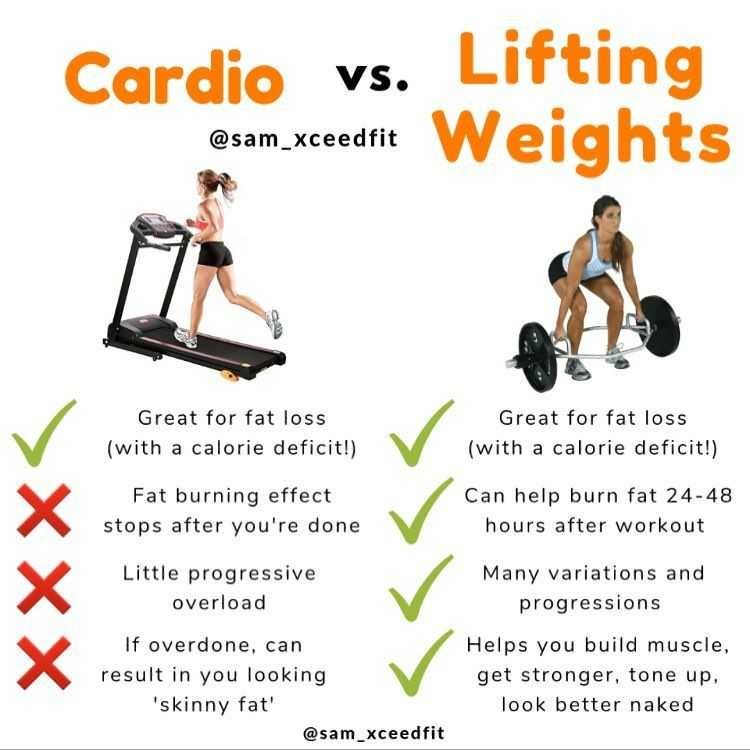
Cardio and weight training each have their own strengths when it comes to burning fat, but which one truly stands out? If you’re torn between these two options and want the most efficient way to shed excess fat, you’re in the right place. The quick answer is that a combination of both often yields the best results, but your goals and preferences play a big role in choosing the right approach. Cardio helps burn calories quickly and improves cardiovascular health, while weight training builds muscle, boost metabolism, and creates a toned physique. To maximize fat loss, integrating both into your routine can give you a balanced, effective strategy. Understanding how they work together can help you design a fitness plan tailored to your needs and accelerate your journey toward a leaner, healthier body.

Is Cardio or Weight Training Better for Fat Loss?
Understanding the Basics of Fat Loss
Fat loss happens when you burn more calories than you consume. This creates a calorie deficit, leading your body to use stored fat for energy. Both cardio and weight training help increase calorie expenditure, but they do so in different ways.
How Cardio Contributes to Fat Loss
Cardiovascular exercises involve activities like running, cycling, or swimming. These exercises increase your heart rate quickly and burn a significant number of calories during the activity. They are particularly effective for burning fat when performed consistently.
The Advantages of Cardio for Fat Loss
- High calorie burn during exercise
- Improves cardiovascular health
- Helps reduce overall body fat percentage
- Easy to do and accessible for most people
Limitations of Cardio
- May lead to muscle loss if not paired with strength training
- Potential for slower metabolic rate if performed excessively
- Can become monotonous, risking decreased adherence
How Weight Training Aids in Fat Loss
Weight training, or resistance exercise, involves lifting weights or using resistance bands to build muscle. Building muscle increases your resting metabolic rate, meaning you burn more calories even when resting.
The Benefits of Weight Training for Fat Loss
- Increases lean muscle mass, boosting metabolism
- Enhances body composition, reducing fat and increasing muscle tone
- Helps prevent the loss of muscle mass during weight loss
- Provides a more sculpted and firm appearance
Limitations of Weight Training
- Lower calorie burn during workout compared to cardio
- Requires proper technique to prevent injury
- May take longer to see fat loss results without additional cardio
Comparing Energy Expenditure: Cardio vs. Weight Training
During a typical session, cardio usually burns more calories per minute than weight training. For example, running can burn around 600 calories per hour, while weight lifting burns approximately 200-400 calories per hour.
Metabolic Afterburn Effect (EPOC)
Weight training creates a sustained calorie burn after exercise, known as Excess Post-Exercise Oxygen Consumption. This effect can last hours, increasing overall daily calorie expenditure.
Cardio’s Role in Calorie Burning
While cardio burns more calories during the activity, its afterburn effect is less significant compared to weight training. However, long cardio sessions can compensate for this.
How Combining Cardio and Weight Training Enhances Fat Loss
Research shows that combining both methods yields better results than using either alone. It optimizes calorie burn, muscle preservation, and overall health.
Sample Weekly Workout Plan
- Two to three days of cardio sessions (running, cycling)
- Two to three days of weight training (full-body workouts)
- One or two rest or active recovery days
Benefits of Combining Both
- Maximizes calorie expenditure
- Builds lean muscle and endurance
- Prevents workout boredom
- Supports sustainable weight loss
Factors Influencing Which Method Is Better for You
The ideal approach depends on personal goals, fitness level, and preferences. Some people see faster fat loss with cardio, while others benefit more from strength training.
Personal Goals
- If rapid calorie burn is the goal, cardio might be more effective.
- If body composition and muscle tone are priorities, weight training is crucial.
Fitness Level and Preferences
Beginners may prefer starting with low-impact cardio to build stamina, then incorporate weight training. Enjoyment plays a significant role in consistency and success.
Time and Resources
If time is limited, high-intensity interval training (HIIT) combines cardio and strength elements efficiently. Access to equipment also influences appropriate choices.
The Role of Nutrition in Fat Loss
Exercise alone can’t achieve optimal fat loss without proper nutrition. A balanced diet with adequate protein, healthy fats, and controlled carbs supports workout efforts.
Importance of Protein Intake
Protein helps preserve muscle during weight loss and promotes satiety. Aim to include lean sources like chicken, fish, beans, and dairy.
Managing Calorie Intake
Tracking calories ensures you stay in a deficit without under-eating. Focus on nutrient-dense foods to meet energy needs healthily.
Common Myths and Misconceptions
Many believe that solely doing cardio or only lifting weights is enough. Both are important, but combining them offers the best fat-loss results.
Myth: Cardio Is the Only Way to Lose Fat
While cardio burns calories quickly, it doesn’t prevent muscle loss. Strength training preserves muscle and enhances fat loss.
Myth: Lifting Weights Won’t Burn Calories
Weight training burns calories and increases metabolism, especially when lifts are performed with high intensity or circuit style.
Choosing between cardio and weight training depends on individual goals, preferences, and lifestyle. Incorporating both ensures comprehensive benefits, leading to more effective and sustainable fat loss.
Combining cardio and weight training, along with proper nutrition, creates a balanced approach that maximizes fat loss. Consistency and enjoyment are key to maintaining progress over time. Focus on building habits that fit your lifestyle, and you’ll see better results in your journey to losing fat.
Frequently Asked Questions
How does cardio help in burning calories compared to weight training?
Cardio exercises, such as running or cycling, elevate your heart rate consistently, which leads to immediate calorie burn. These activities are effective for burning a high number of calories during the workout, making them beneficial for quick fat loss. While weight training also burns calories, its primary benefit lies in building muscle, which can boost your resting metabolic rate over time.
Can weight training improve fat loss even if it doesn’t burn as many calories during the workout?
Yes, weight training enhances muscle mass, which increases your resting metabolic rate. More muscle means your body burns more calories even when you’re not exercising. This continuous calorie expenditure helps reduce body fat gradually and supports long-term fat loss efforts.
Should I combine cardio and weight training for better fat loss results?
Combining both cardio and weight training provides a balanced approach to fat loss. Cardio helps burn calories quickly, while weight training builds muscle that accelerates your metabolism. Integrating both allows you to maximize fat loss, improve overall fitness, and prevent workout boredom.
How does workout intensity influence fat loss in cardio versus weight training?
Higher intensity cardio sessions, like sprinting or interval training, burn more calories in less time, effectively aiding fat loss. In weight training, increasing the intensity by lifting heavier weights or reducing rest periods boosts muscle engagement and calorie expenditure. Both methods, when performed at higher intensity, can accelerate fat reduction.
What role does consistency play in comparing cardio and weight training for fat loss?
Consistency ensures steady progress regardless of the exercise type. Regular cardio sessions help maintain a calorie deficit, while consistent weight training promotes muscle growth and metabolic rate. Combining consistent efforts in both areas leads to more sustainable and visible fat loss over time.
Final Thoughts
In conclusion, the debate between cardio and weight training for fat loss depends on individual goals. Cardio effectively burns calories during the activity, boosting overall fat loss. Weight training builds muscle, increasing resting metabolic rate for long-term results. is cardio or weight training better for fat loss? Incorporating both methods provides a balanced approach that maximizes fat reduction and improves overall fitness.
As an Amazon Associate, We earn from qualifying purchases. When you purchase a product through Amazon links on pulsefitguide.com, we may earn a small commission at no extra cost to you. This helps support the site and keep our content free.