

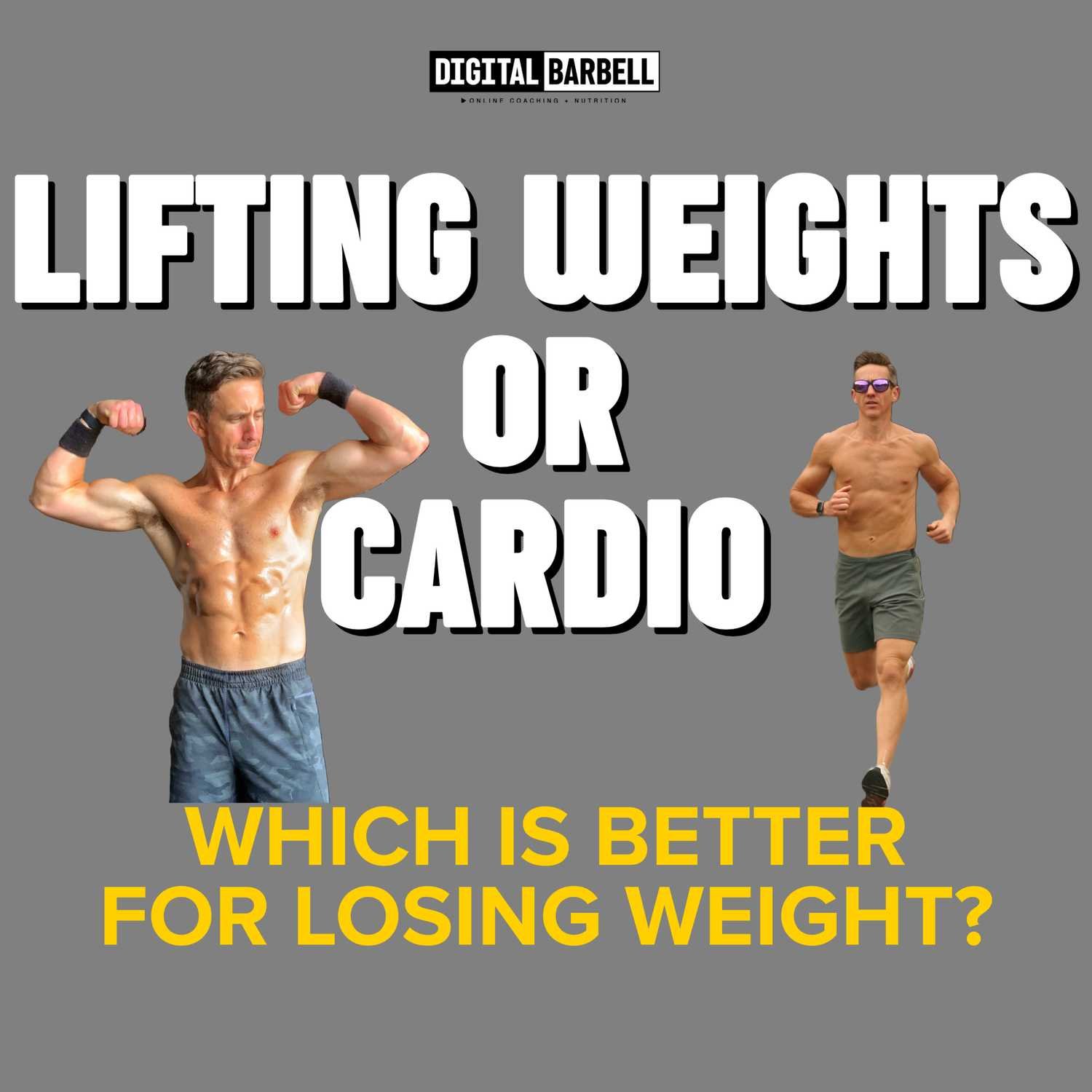
Cardio burns more calories during the workout, making it seem like the obvious choice for weight loss, but weight lifting helps build muscle, which boosts metabolism over time. So, which is better? The truth is, combining both provides the best results for shedding pounds and improving overall fitness.
In short, cardio is excellent for burning immediate calories, while weight lifting helps you burn calories even after your workout by increasing muscle mass. For sustainable weight loss, integrating both into your routine is the smartest move.
Getting rid of unwanted pounds can be confusing with so many workout options out there. Many wonder if they should hit the treadmill or lift weights to lose weight faster. While cardio burns more calories during each session, weight lifting offers long-term metabolic benefits by building lean muscle. The most effective plan? A mix of both. Cardio keeps your heart healthy and burns calories quickly, whereas lifting weights sculpts your body and increases your resting metabolic rate. The key is consistency and variety—so don’t rely solely on one method but combine both for the best weight loss journey.

Is cardio or weight lifting better for weight loss?
Understanding How Cardio Burns Calories
Cardio exercises, also known as aerobic workouts, are activities that make your heart rate rise and keep it elevated for some time. Examples include running, cycling, swimming, and brisk walking. These activities burn a significant number of calories during the workout, making them effective for weight loss.
The main benefit of cardio is its ability to create a **calorie deficit**, which is essential for losing weight. The more intense and longer your cardio session, the more calories you burn. For example, a 150-pound person can burn approximately 300 calories in 30 minutes of brisk walking.
Cardio helps increase your overall energy expenditure and can improve heart health, endurance, and mood. Engaging in regular cardio can also boost your metabolism, helping your body burn calories more efficiently even after the workout ends.
How Weight Lifting Contributes to Weight Loss
Weight lifting, also called resistance training, involves lifting weights or using resistance bands to strengthen muscles. While it may not burn as many calories during the activity compared to cardio, it offers other important benefits for weight loss.
The key advantage is muscle building. More muscle mass means a higher resting metabolic rate, which helps your body burn more calories throughout the day. This effect is called **afterburn** or excess post-exercise oxygen consumption (EPOC). Essentially, you keep burning calories even after your workout is over.
Additionally, weight lifting improves body composition by reducing fat and increasing muscle tone. It also enhances bone density and overall strength, which supports better movement and reduces injury risk during other exercises.
Comparing the Calorie Burn: Cardio and Weight Lifting
When comparing calorie burn, cardio typically leads to higher immediate calorie expenditure. For example, running at a moderate pace can burn about 400-600 calories per hour, depending on weight and speed.
In contrast, weight lifting burns fewer calories during each session—roughly 180-266 calories per hour for an average person. However, the overall calorie burn can be similar or higher over time due to muscle gains and increased metabolism.
A combination of both activities maximizes calorie burn. For example, doing 30 minutes of cardio followed by 30 minutes of weight lifting can boost fat loss and improve muscle tone simultaneously.
Which Is More Effective for Fat Loss?
Fat loss depends on creating a sustained calorie deficit. Cardio is excellent for burning calories quickly and can be a fast way to achieve this deficit.
Weight lifting, on the other hand, contributes to fat loss through increased muscle mass, which raises your basal metabolic rate (BMR). More muscle means you burn more calories even when resting.
Research shows that combining both types of exercise offers the best results for fat loss. It helps preserve muscle while burning off excess fat, leading to a leaner, healthier body.
Impact on Muscle Preservation and Metabolism
Many dieters experience muscle loss along with fat loss when they focus only on cardio. Weight lifting helps prevent this by directly stimulating muscle growth.
Maintaining muscle mass is essential because it helps keep your metabolism active. Without resistance training, you risk losing muscle, which can slow down weight loss and make it easier to regain weight later.
Combining cardio and weight lifting creates a balanced approach that preserves muscle, burns calories, and boosts overall metabolic health.
Benefits of Combining Cardio and Weight Lifting
Adding both forms of exercise into your routine offers **comprehensive benefits**. It improves cardiovascular fitness, builds muscle, and increases calorie burn.
A well-rounded workout plan might include three days of cardio and two days of resistance training each week. This approach enhances fat loss, strengthens muscles, and supports long-term weight management.
Additionally, alternating between cardio and weight lifting prevents workout boredom and reduces the risk of overuse injuries. It also helps in developing a balanced physique, improving overall functionality.
Choosing the Right Workout Plan for Weight Loss
The best plan depends on your goals, fitness level, and preferences. Beginners might start with lighter weights combined with moderate cardio sessions.
Intermediate and advanced exercisers can incorporate high-intensity interval training (HIIT) for cardio and heavier weights for resistance training.
A suggested weekly plan might look like this:
- Monday: Cardio (running or cycling)
- Tuesday: Weight lifting (upper body)
- Wednesday: Rest or light activity
- Thursday: Cardio (swimming or brisk walk)
- Friday: Weight lifting (lower body)
- Saturday: Active recovery or yoga
- Sunday: Rest or light stretching
Adjust your routine based on how your body responds and your schedule.
Considering Other Factors for Effective Weight Loss
Exercise alone isn’t enough for significant weight loss; diet plays a crucial role. A balanced diet rich in whole foods, lean proteins, vegetables, and healthy fats supports your exercise efforts.
Getting enough sleep and managing stress also influence weight loss success. Poor sleep and high stress can affect hormones related to hunger and fat storage.
Hydration is equally important, especially during workouts, to maintain energy and optimize performance. Remember, consistency over time produces the best results.
Final Thoughts on Cardio vs Weight Lifting for Weight Loss
Both cardio and weight lifting contribute valuable benefits to a weight loss plan. Cardio burns calories quickly and improves cardiovascular health, while weight lifting boosts metabolism and preserves muscle.
For the best results, combine both exercises into your routine. This approach helps you burn fat efficiently, build strength, and develop a toned, healthy body. Remember, staying active regularly and eating well are the keys to successful weight management.
Frequently Asked Questions
How does cardio help with weight loss compared to weight lifting?
Cardio exercises increase your heart rate and burn calories efficiently during the activity, which can lead to rapid calorie deficits. While they primarily focus on burning fat during the workout, their high caloric expenditure makes them effective for weight loss. However, combining cardio with strength training can provide more sustainable results by preserving muscle mass and boosting resting metabolic rate.
Can weight lifting boost fat loss more effectively than cardio alone?
Yes, weight lifting helps build muscle, which is more metabolically active than fat tissue. As you develop more muscle, your body burns more calories even when at rest. Incorporating strength training into your routine can improve body composition, reduce fat percentage, and support long-term weight management better than relying solely on cardio.
Is it better to prioritize one type of exercise for weight loss or combine both?
Combining cardio and weight lifting offers the best approach for weight loss. Cardio burns calories quickly during workouts, while weight lifting increases muscle mass and boosts your resting metabolic rate. Alternating between these exercises ensures efficient calorie burning and promotes a toned, healthy physique.
How does resistance training influence calorie expenditure after workouts?
Resistance training causes your muscles to continue burning calories well after your workout ends, a phenomenon known as excess post-exercise oxygen consumption (EPOC). This effect helps increase your overall daily calorie expenditure, making weight lifting a valuable component of a weight loss program.
What role does exercise intensity play in choosing between cardio and weight lifting for losing weight?
Higher intensity in either cardio or weight lifting leads to greater calorie burn in a shorter period. Intense cardio sessions maximize calorie expenditure during workouts, while high-intensity resistance training enhances muscle stimulation and metabolic rate. A combination of both at suitable intensity levels can optimize weight loss efforts.
Final Thoughts
Cardio burns more calories during the workout, making it effective for immediate fat loss. Weight lifting builds muscle, which increases resting metabolism over time. Both methods support weight loss, but combining them offers the best results.
Ultimately, the answer to ‘is cardio or weight lifting better for weight loss’ depends on individual goals and preferences. Incorporate both into your routine for a balanced approach and sustainable progress.
As an Amazon Associate, We earn from qualifying purchases. When you purchase a product through Amazon links on pulsefitguide.com, we may earn a small commission at no extra cost to you. This helps support the site and keep our content free.