

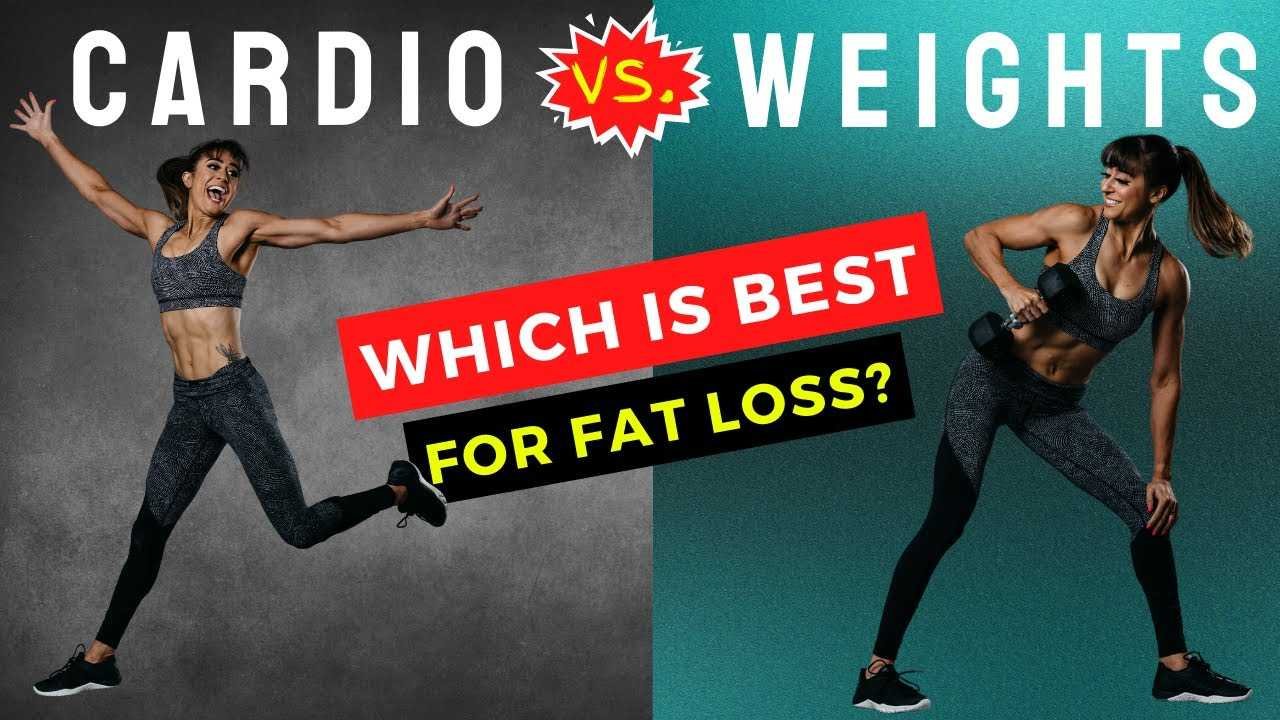
Cardio is often seen as the go-to for burning calories, but strength training builds muscle and boosts metabolism—so which is truly better for weight loss? The quick answer is that combining both, with a focus on your personal goals, is most effective. Cardio burns calories during the workout, while strength training helps you burn more calories even at rest by increasing muscle mass. For sustainable weight loss, a balanced mix of both, along with a healthy diet, works best. The key is understanding how each benefits your body and tailoring your routine accordingly.
Losing weight isn’t just about choosing between cardio and strength training; it’s about creating a workout plan that leverages the strengths of both. Cardio workouts like running, cycling, or swimming are excellent for burning calories quickly and improving cardiovascular health. On the other hand, strength training—think weightlifting or resistance exercises—helps you build muscle, which in turn raises your resting metabolic rate, making your body more efficient at burning fat over time. The most successful approach for lasting weight loss combines these two methods, while also ensuring your diet supports your activity levels. Whether you prefer one over the other, understanding how they complement each other can make your fitness journey more effective and enjoyable.

Is Cardio or Strength Training Better for Weight Loss?
Understanding Cardio and Strength Training
Cardio exercises include activities like running, cycling, swimming, and brisk walking. These workouts elevate your heart rate and burn calories quickly during the activity. Strength training involves lifting weights, using resistance bands, or bodyweight exercises like push-ups and squats. It helps build muscle and improve overall strength.
The Main Goal: Burning Calories Effectively
Both cardio and strength training help shed pounds, but they do so differently. Cardio burns a significant number of calories during the workout, making it effective for immediate calorie loss. Strength training, on the other hand, increases muscle mass, which boosts resting metabolic rate over time. This means you burn more calories even when resting.
How Cardio Promotes Weight Loss
Cardio workouts increase your heart rate and breathing, leading to quick calorie burn. For example, a 155-pound person jogging for 30 minutes can burn about 300 calories. The higher the intensity and duration, the more calories you burn.
Types of Cardio Exercises
- Running or Jogging
- Cycling
- Swimming
- Dancing
- Jump rope
Advantages of Cardio for Weight Loss
- Immediate calorie burn during exercise
- Improves cardiovascular health
- Can be easily adapted for all fitness levels
- Often quick and accessible with minimal equipment
Strength Training and Its Role in Weight Loss
Strength training promotes muscle development and increases the body’s resting calorie expenditure. Building muscle helps you burn more calories even when not exercising. It also helps prevent the loss of muscle mass that can occur during weight loss.
Types of Strength Exercises
- Weightlifting
- Bodyweight exercises (push-ups, squats, lunges)
- Resistance band workouts
- Machines at the gym
Benefits of Strength Training for Weight Loss
- Increases muscle mass and metabolic rate
- Helps shape and tone the body
- Supports bone health
- Reduces the risk of injuries by strengthening muscles and joints
Combining Cardio and Strength Training
Many experts recommend mixing both types of exercise for optimal weight loss. Cardio helps burn calories quickly, while strength training boosts long-term metabolism. Combining the two creates a balanced workout plan that is both efficient and sustainable.
Sample Weekly Workout Plan
| Day | Workout Type |
|---|---|
| Monday | Cardio (Running) |
| Tuesday | Strength Training (Full body) |
| Wednesday | Rest or Light Activity (Walking, stretching) |
| Thursday | Cardio (Cycling) |
| Friday | Strength Training (Focus on legs and back) |
| Saturday | Mixed Activity (Circuit workouts) |
| Sunday | Rest or Light Activity |
The Importance of Diet and Nutrition
Exercise alone cannot maximize weight loss without proper nutrition. A balanced diet that creates a calorie deficit is essential. Combining exercise with healthy eating habits produces the best results.
Key Nutritional Tips
- Eat plenty of vegetables and fruits
- Choose lean protein sources like chicken, fish, and beans
- Limit processed foods and sugary drinks
- Maintain proper hydration
- Monitor portion sizes
Understanding the Impact on Body Composition
While weight loss involves shedding fat, maintaining muscle mass is equally important. Combining cardio and strength training helps improve body composition, leading to a leaner, more toned appearance. This approach prevents the muscle loss often linked to diet-only weight loss.
Body Composition Improvements
- Reduces body fat percentage
- Increases muscle mass
- Enhances overall strength and endurance
- Promotes better posture and balance
Myth Busting: Common Misconceptions
Many believe cardio is the only way to lose weight, but strength training can be equally effective. Some think lifting weights will make you bulky, but this is rarely the case for most people. It takes dedicated effort over time to develop significant muscle size.
Myth: Cardio is Enough for Weight Loss
While cardio burns calories fast, adding strength training helps sustain weight loss and improves body shape.
Myth: Strength Training Will Make You Bulky
For most women and beginners, strength training leads to toned muscles, not bulkiness. It supports fat loss and body shaping.
Choosing the Right Approach for You
Your personal goals, fitness level, and preferences should guide your workout choices. If you enjoy high-energy activities, cardio might be suitable. If you prefer building strength and muscle, focus more on strength exercises.
Factors to Consider
- Time availability
- Physical limitations or injuries
- Goals (weight loss, muscle gain, overall health)
- Enjoyment of activities
Long-Term Success Strategies
Consistency is key for sustainable weight loss. Incorporate both cardio and strength training into a routine you enjoy. Set realistic goals and track progress to stay motivated.
Tips for Staying Motivated
- Join group classes or find a workout buddy
- Mix different workout types to avoid boredom
- Celebrate small milestones
- Keep a workout journal
Both cardio and strength training offer unique benefits for weight loss. Cardio provides quick calorie burning, while strength training boosts metabolism and enhances muscle tone. Combining both creates a balanced approach that supports sustainable weight management, improved body composition, and overall health. Tailoring your workout plan to match your preferences and goals will help you stay committed and see results over time.
Frequently Asked Questions
How does incorporating both cardio and strength training benefit weight loss efforts?
Combining cardio and strength training enhances weight loss by maximizing calorie burn and building muscle. Cardio helps burn a significant number of calories during the activity, while strength training increases muscle mass, which boosts resting metabolic rate. This combination promotes more efficient fat loss and improves overall body composition over time.
Can focusing solely on strength training lead to effective weight loss?
Yes, strength training alone can promote weight loss by increasing muscle mass, which raises metabolism and encourages the body to burn more calories even at rest. Additionally, strength workouts help preserve lean muscle during calorie deficits, supporting sustainable weight loss and enhancing body tone.
What role does cardio play in maintaining weight loss after initial results?
Cardio plays a key role in maintaining weight loss by continuing to burn calories and prevent weight regain. Regular cardiovascular exercise helps sustain a calorie deficit and improve cardiovascular health, making it easier to keep off lost weight and promote overall fitness.
Are there specific types of cardio or strength exercises better suited for weight loss?
High-intensity interval training (HIIT) and circuit training are particularly effective for weight loss because they combine bursts of intense effort with rest periods, maximizing calorie burn in a shorter amount of time. For strength exercises, compound movements like squats, deadlifts, and presses target multiple muscle groups, increasing energy expenditure and accelerating fat loss.
How important is workout duration compared to workout type for weight loss?
Workout duration plays a significant role, but the intensity and consistency of exercises matter even more. Shorter, high-intensity sessions can be as effective as longer moderate workouts. Both cardio and strength training should be performed regularly, with a focus on maintaining a balanced routine that fits your schedule and goals.
Final Thoughts
Both cardio and strength training offer unique benefits for weight loss. Cardio burns calories quickly during exercise, helping create a calorie deficit. Strength training builds muscle, which increases resting metabolic rate over time.
For optimal results, combining both exercises works best.
In conclusion, is cardio or strength training better for weight loss? The answer depends on individual goals, but integrating both ensures effective and sustainable weight loss.
As an Amazon Associate, We earn from qualifying purchases. When you purchase a product through Amazon links on pulsefitguide.com, we may earn a small commission at no extra cost to you. This helps support the site and keep our content free.