

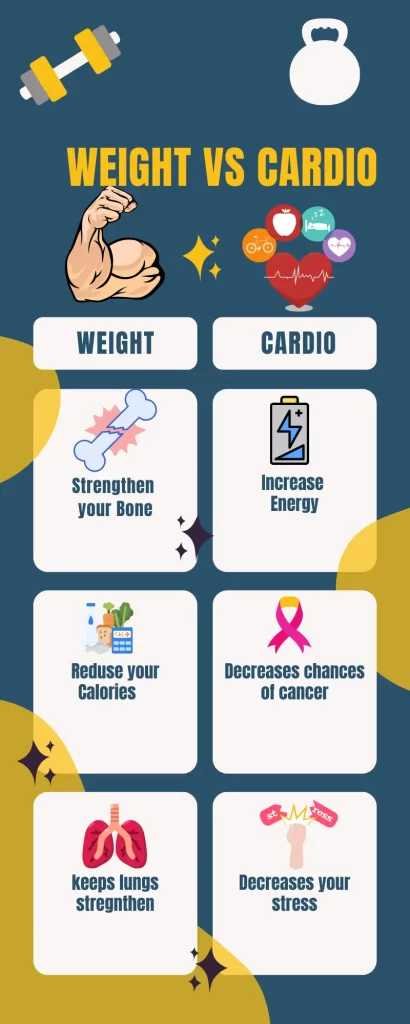
Yes, cardio is highly effective for weight loss. It helps burn calories quickly and boosts your metabolism, making it easier to shed pounds when combined with a balanced diet. Regular cardio activity can also improve your cardiovascular health and overall stamina.
Cardio exercises are an excellent way to accelerate weight loss because they burn calories efficiently and can be easily incorporated into your daily routine. Whether it’s running, cycling, or brisk walking, cardio workouts help create the calorie deficit needed to lose weight. Understanding how to use cardio effectively can make your weight loss journey more successful and enjoyable.
Starting a weight loss journey can be overwhelming, especially with so many options out there. If you’re wondering whether cardio is a good option for shedding those extra pounds, the answer is a definite yes. Cardio, or aerobic exercise, increases your heart rate and helps you burn calories fast. It’s accessible, versatile, and can be tailored to fit your fitness level. From doing a quick jog in the park to taking dance classes or cycling around your neighborhood, cardio can be fun and motivating. Not only does it help with weight loss, but it also improves cardiovascular health, mood, and energy levels. The key is consistency—making cardio part of your routine and combining it with a healthy diet will give you the best results.

Is Cardio Good to Lose Weight?
Understanding Cardio and Its Role in Weight Loss
Cardio, short for cardiovascular exercise, involves activities that increase your heart rate and breathing. Examples include walking, running, cycling, and swimming. Many people choose cardio because it burns calories quickly and helps improve overall heart health.
The main goal of cardio in weight loss is to create a calorie deficit. This means burning more calories than you consume each day. When you create this deficit consistently, your body starts to use stored fat for energy.
How Cardio Affects Calories and Fat Burning
During a cardio session, your body primarily burns calories from both carbohydrates and fats. At the start of exercise, carbohydrates are the main fuel source. As you continue, your body shifts to burning more fat.
For example, a 30-minute brisk walk can burn around 150 calories, depending on your weight and speed. Running for the same time can burn significantly more, around 300 calories or more.
The key is that longer or more intense cardio burns more calories. This helps increase the total calorie deficit needed for weight loss.
Types of Cardio and Their Effectiveness
Different types of cardio suit various fitness levels and goals. Here are some popular options:
Moderate-Intensity Cardio
Activities like brisk walking or gentle cycling fall into this category. They are easy to do daily, burn calories steadily, and are gentle on your joints.
High-Intensity Cardio
Examples include sprinting or high-intensity interval training (HIIT). These workouts burn calories faster and can boost metabolism even after exercise ends.
Low-Impact Cardio
Swimming or rowing are examples. They are ideal for those with joint issues but still effective for burning calories.
Each type offers unique benefits, but consistency remains essential for weight loss success.
The Benefits of Cardio for Weight Loss
Cardio offers numerous benefits that contribute to effective weight loss:
- Burns a significant amount of calories in a short time.
- Boosts metabolism, helping you burn calories even after finishing exercise.
- Enhances cardiovascular health, making daily activities easier.
- Reduces stress and improves mood, which can prevent emotional eating.
- Supports muscle endurance and overall fitness.
Regular cardio sessions can help you achieve your weight loss goals faster and maintain a healthy lifestyle.
How Much Cardio Do You Need?
The recommended amount of cardio for weight loss is about 150 to 300 minutes per week of moderate activity. This breaks down to roughly 30 to 60 minutes, five days a week.
For those seeking faster results, increasing to 300 minutes per week can be more effective. Combining cardio with strength training also enhances fat loss and preserves muscle mass.
Balancing Cardio with Diet and Other Exercise
Cardio alone won’t lead to the best weight loss results without proper nutrition. Combining a balanced diet with consistent cardio creates a calorie deficit naturally.
In addition, incorporating strength training helps build muscle, which boosts resting metabolism. This means you burn more calories even when resting.
A well-rounded fitness routine might include three cardio sessions, two strength workouts, and activity on most days.
Common Myths About Cardio and Weight Loss
Many misconceptions exist around cardio and losing weight. Here are some common myths:
Myth 1: Cardio is the only way to lose weight
While effective, weight loss also depends on diet and strength training. A combination of everything works best.
Myth 2: More cardio is always better
Doing too much cardio can lead to injury or burnout. Rest days are essential for recovery and progress.
Myth 3: You can spot-reduce fat from specific areas
Targeting fat loss in one body part isn’t possible. Overall body fat reduction through cardio and diet is necessary.
Risks and Considerations
While cardio is generally safe, some precautions help prevent injuries:
- Start slow if you’re new to exercise.
- Stay hydrated and wear appropriate footwear.
- Listen to your body and rest if you feel pain or fatigue.
- Consult a healthcare professional if you have any health conditions.
Gradually increasing intensity and duration ensures safe and sustainable progress.
Integrating Cardio into Your Weight Loss Plan
Consistency is key to seeing results. Choose activities you enjoy to stay motivated.
Set realistic goals and track your progress to stay on course. Mix different types of cardio to keep workouts engaging.
Remember, combining cardio with healthy eating habits and strength training offers the best chance for successful weight loss.
Additional Tips for Maximizing Cardio Benefits
To get the most out of your cardio workouts:
- Warm up before and cool down after exercise.
- Vary your workout intensity to prevent plateaus.
- Incorporate intervals for increased calorie burn.
- Stay hydrated and eat a balanced diet for energy.
Listening to your body and staying consistent will help you see long-term results.
Related Topics to Explore
If you want to enhance your weight loss journey, consider exploring:
Nutrition and Calories
Understanding what to eat and how many calories you need can support your cardio efforts.
Strength Training and Resistance Exercises
Muscle building boosts metabolism and helps shape your body.
Mental Health and Motivation
Staying motivated can be challenging, but small goals and support can keep you going.
Other Types of Physical Activity
Activities like yoga, pilates, or sports add variety and improve overall fitness.
Incorporating diverse activities keeps your routine enjoyable and sustainable.
Cardio is an effective tool for weight loss when combined with proper diet and lifestyle changes. It helps burn calories, boosts metabolism, and improves overall health. The key is consistency and choosing activities you enjoy to make exercise a regular part of your life. By balancing cardio with strength training, good nutrition, and rest, you can reach your weight loss goals more efficiently.
Frequently Asked Questions
Does doing cardio help me burn more calories throughout the day?
Yes, engaging in cardio exercises can increase the number of calories you burn during and after your workout. Continuous cardio activity elevates your heart rate, which boosts your metabolic rate. As a result, you burn additional calories even when resting, aiding in weight loss when combined with a balanced diet.
Can cardio alone lead to significant weight loss?
While cardio can contribute substantially to weight loss, relying on it exclusively may limit your progress. Combining cardio with strength training and proper nutrition creates a more comprehensive approach. This combination helps build muscle, which enhances your resting metabolic rate, leading to more effective weight management.
How does cardio influence appetite after exercise?
Cardio workouts can either suppress or increase your appetite, depending on the intensity and duration. Moderate exercise often decreases hunger temporarily, which may help control calorie intake. However, very intense sessions might stimulate hunger, making it essential to plan nutritious post-workout meals to stay on track with your weight loss goals.
Is there a recommended duration or frequency for cardio to support weight loss?
For effective weight loss, aim for at least 150 minutes of moderate-intensity cardio per week, spread across several sessions. Alternatively, 75 minutes of vigorous activity can be sufficient. Consistency is key; participating in cardio activities several times a week helps sustain calorie burn and supports steady weight management.
Can high-intensity interval training (HIIT) be more effective than steady-state cardio for weight loss?
Yes, HIIT can be more efficient than steady-state cardio because it involves short bursts of intense activity followed by rest periods. This approach increases calorie burn in a shorter amount of time and can elevate your metabolism for hours after exercising. Incorporating HIIT into your routine can accelerate weight loss efforts when combined with proper nutrition.
Final Thoughts
In conclusion, cardio is an effective way to support weight loss when combined with a healthy diet. It helps burn calories efficiently and improves cardiovascular health.
Is cardio good to lose weight? Yes, it plays a key role in creating a calorie deficit needed for weight management. Incorporating regular cardio sessions can lead to noticeable results over time.
As an Amazon Associate, We earn from qualifying purchases. When you purchase a product through Amazon links on pulsefitguide.com, we may earn a small commission at no extra cost to you. This helps support the site and keep our content free.