

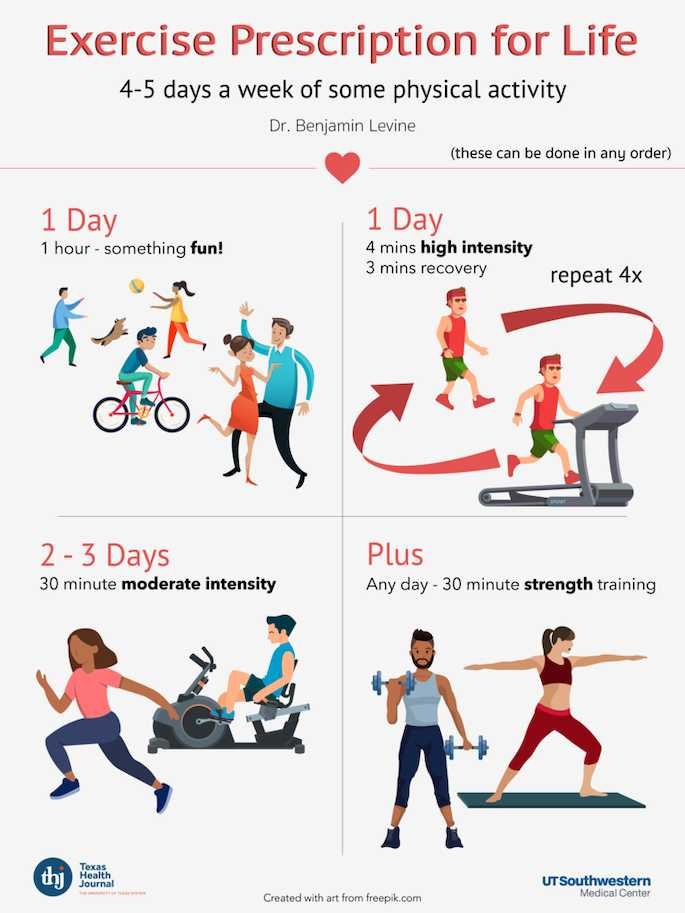
Yes, cardio is excellent for your heart. Engaging in cardiovascular exercise strengthens your heart muscle, improves circulation, and helps keep your arteries clear. Regular cardio can reduce the risk of heart disease and boost overall cardiovascular health.
Cardio workouts are a fantastic way to support your heart health. They increase your heart rate, strengthen the heart muscle, and promote better blood flow—all essential for maintaining a healthy cardiovascular system. Whether it’s running, cycling, or swimming, incorporating cardio into your routine can make a big difference in your long-term health and wellness.
Feeling your heart pounding during a workout might seem intimidating, but it’s actually a sign your heart is working efficiently to supply oxygen-rich blood throughout your body. It’s no secret that a healthy heart is key to living a vibrant, active life. The good news is that cardio exercises are accessible, adaptable, and enjoyable ways to keep your heart in top shape. So, if you’re wondering whether cardio is good for your heart, the answer is a resounding yes—and it’s one of the most straightforward steps you can take towards better health.

Is cardio good for your heart?
Cardiovascular exercise, often called cardio, plays a major role in keeping your heart healthy. It involves activities that get your heart pumping faster, like walking, running, or cycling. But how exactly does cardio benefit your heart, and what should you know before starting a routine?
What is cardio and how does it work?
Cardio exercises increase your heart rate and breathing rate. When you do cardio, your heart works harder to pump blood, delivering oxygen and nutrients to your muscles. This process strengthens your heart muscle over time, making it more efficient at pumping blood.
As your heart becomes stronger, it can pump more blood with each beat. This means lower blood pressure and better circulation, both important for heart health.
Why is cardio beneficial for heart health?
Improves heart efficiency
Regular cardio exercises help your heart become stronger and more efficient. A stronger heart can pump more blood with less effort, reducing strain and the risk of heart problems.
Helps control blood pressure
High blood pressure can damage arteries and increase heart disease risk. Cardio helps lower blood pressure by improving blood vessel flexibility and reducing resistance in your arteries.
Reduces cholesterol levels
High levels of bad cholesterol (LDL) can clog arteries. Cardio raises good cholesterol (HDL) and lowers LDL, helping keep your arteries clear.
Manages weight
Carrying excess weight puts extra pressure on your heart. Cardio helps burn calories and fat, making it easier to maintain a healthy weight.
Types of cardio exercises that are good for your heart
Walking and jogging
Walking is simple and accessible for most people. Jogging adds more intensity, providing a stronger heart workout.
Cycling
Riding a bike is low-impact but highly effective for improving cardiovascular health. It can be done outdoors or on a stationary bike.
Swimming
Swimming works your entire body with gentle impact. It’s great for heart health, especially for those with joint issues.
Jump rope
This activity boosts heart rate quickly and improves coordination. It’s a fun way to get your daily cardio in.
Group fitness classes
Classes like aerobics, Zumba, or spin classes provide motivation and social support while boosting your heart health.
The recommended amount of cardio for good heart health
The American Heart Association suggests at least 150 minutes of moderate-intensity cardio per week. Alternatively, 75 minutes of vigorous activity is also beneficial.
| Type of exercise | Duration per week | Examples |
|---|---|---|
| Moderate intensity | 150 minutes | Brisk walking, casual cycling, water aerobics |
| Vigorous intensity | 75 minutes | Running, fast cycling, aerobics classes |
It’s best to spread out your workouts over several days for steady benefits and to avoid injury.
How to start a cardio routine safely
Consult your doctor
If you have any health issues or concerns, check with your doctor before starting a new exercise routine. They can advise on safe activity levels.
Start slow and progress gradually
Begin with light activities like walking and increase intensity and duration over time. This helps prevent injury and keeps exercise enjoyable.
Warm up and cool down
Always include warm-up exercises to prepare your body and cool-down stretches to lower your heart rate gradually.
Stay consistent
Consistency is key. Regular activity, even at lower intensity, provides the best benefits for your heart over time.
Risks and precautions
Overexertion
Pushing too hard can cause injuries or heart strain. Listen to your body and avoid exercising at a level that causes discomfort or dizziness.
Pre-existing health conditions
If you have heart disease or other health concerns, follow medical advice closely and choose appropriate activities.
Proper gear and environment
Wear comfortable clothing, supportive shoes, and exercise in safe, suitable environments to reduce injuries.
The link between cardio and other aspects of health
Mental health benefits
Regular cardio can boost mood, reduce stress, and improve sleep quality. It helps manage anxiety and depression symptoms.
Diabetes management
Cardio helps control blood sugar levels, making it a vital part of managing type 2 diabetes.
Bone health
Weight-bearing exercises like walking or running strengthen bones and help prevent osteoporosis.
Common misconceptions about cardio and heart health
More is always better
While regular cardio is beneficial, excessive exercise can cause strain. Balance and moderation are essential.
Only intense workouts help
Moderate activities like walking are also effective and safer for many people, especially beginners.
Cardio alone is enough
Combining cardio with strength training, proper diet, and rest gives the best overall heart health benefits.
Summary: making cardio work for your heart
In conclusion, cardio is a key component of a heart-healthy lifestyle. It helps improve heart efficiency, lower blood pressure, and control cholesterol levels. By choosing activities you enjoy, starting slow, and staying consistent, you can significantly boost your heart health. Remember to listen to your body and seek medical advice when needed. Embrace cardio as part of your daily routine and give your heart the care it deserves.
Frequently Asked Questions
How does cardio exercise benefit heart health in daily routines?
Cardio exercise strengthens the heart muscle, allowing it to pump blood more efficiently. Regular activity improves circulation, lowers blood pressure, and helps maintain healthy cholesterol levels. Incorporating cardio into your daily routine can reduce the risk of heart-related conditions and promote overall cardiovascular well-being.
What types of cardio exercises are most effective for supporting heart health?
Activities like brisk walking, jogging, cycling, swimming, and dancing are highly effective for supporting heart health. These exercises get your heart rate up and sustained over time, which helps improve endurance and strengthens the cardiovascular system. Choose activities you enjoy to ensure consistency and long-term benefits.
How often should I engage in cardio workouts to see heart health improvements?
Aim for at least 150 minutes of moderate-intensity cardio exercise per week, such as 30 minutes most days. Incorporating more vigorous sessions or increasing duration can provide additional benefits. Regular consistency is key to supporting your heart and improving overall cardiovascular health.
Are there any risks associated with doing cardio for heart health, especially for beginners?
While cardio exercise offers many benefits, beginners should start gradually to avoid overexertion or injury. Consult with a healthcare provider before beginning a new workout routine, particularly if you have existing health concerns. Listening to your body and increasing intensity gradually ensures safe and effective improvements to your heart health.
Can cardio exercise help in lowering blood pressure and cholesterol levels?
Yes, engaging in regular cardio workouts can help lower high blood pressure and reduce LDL cholesterol levels. This reduces strain on the heart and blood vessels, decreasing the risk of cardiovascular disease. Maintaining a balanced approach with proper diet and exercise enhances these benefits.
Final Thoughts
Cardio exercises strengthen the heart muscle and improve circulation, which benefits overall health. Regular cardio can lower blood pressure and reduce the risk of heart disease. It also boosts energy levels and enhances mental well-being.
Engaging in consistent cardiovascular activity supports a healthier lifestyle and promotes longevity.
In conclusion, is cardio good for your heart? Absolutely. It plays a vital role in maintaining cardiovascular health and preventing future issues.
As an Amazon Associate, We earn from qualifying purchases. When you purchase a product through Amazon links on pulsefitguide.com, we may earn a small commission at no extra cost to you. This helps support the site and keep our content free.