

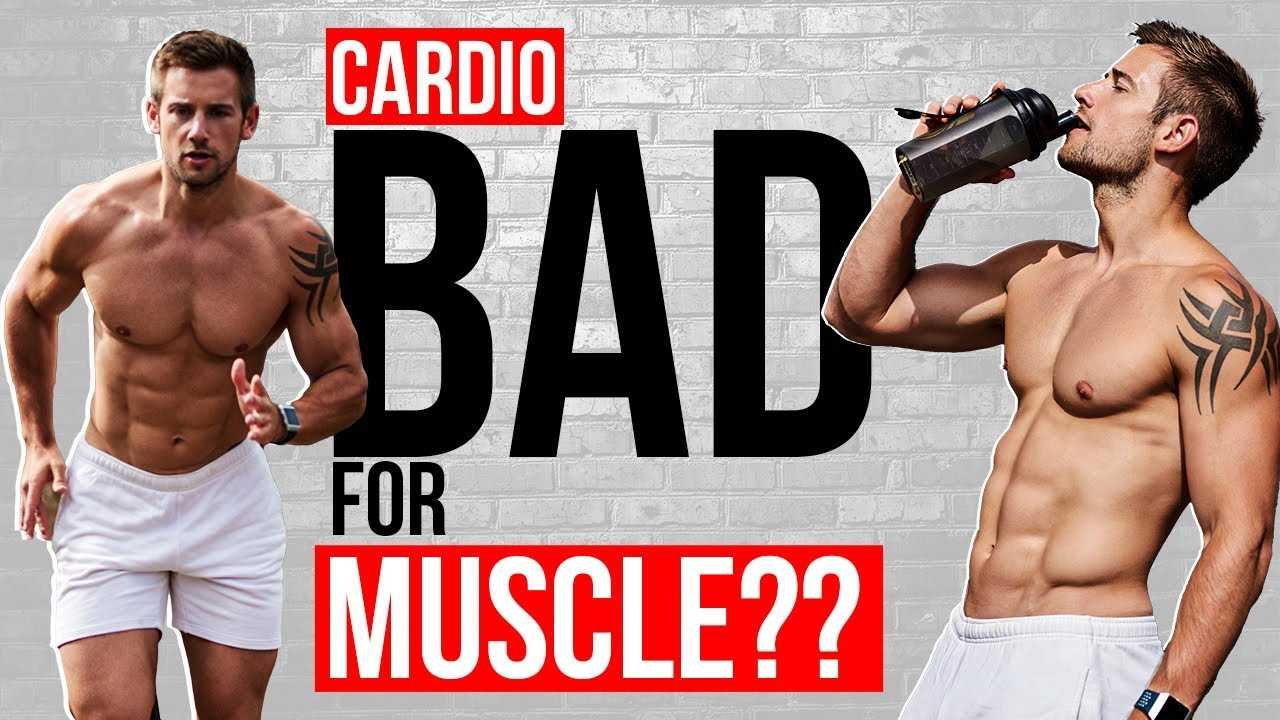
Yes, cardio can be beneficial for muscle building when done correctly, but it’s not the primary focus for gaining muscle mass. Cardio improves overall fitness, stamina, and recovery, which can indirectly support muscle growth, but it shouldn’t replace strength training. Striking the right balance between cardio and strength workouts is key to building muscle effectively.
Engaging in cardio exercises might seem counterintuitive when your main goal is muscle building, but it can actually complement your routine if managed properly. Incorporating moderate cardio sessions can enhance your cardiovascular health, boost circulation, and speed up recovery, all of which are essential for consistent muscle growth. The trick is to find the right balance so that cardio doesn’t interfere with your strength training gains, ensuring you build muscle while maintaining endurance and overall fitness.

Is Cardio Good for Muscle Building? An In-Depth Look
Understanding the Role of Cardio in Fitness
Cardio exercises are activities that increase your heart rate and help improve cardiovascular health. They include running, cycling, swimming, and brisk walking. While these exercises are excellent for burning calories, they also impact muscle development in various ways. Many people wonder whether doing cardio can support or hinder muscle growth, and the answer depends on how you incorporate it into your routine.
How Cardio Affects Muscle Gains
Engaging in cardio can have both positive and negative effects on muscle building. On the positive side, cardio can improve stamina and increase blood flow to muscles. This helps nutrients reach muscles faster, supporting recovery and growth. However, excessive cardio may lead to muscle loss, especially if it causes a calorie deficit or interferes with strength training sessions.
Balancing Cardio and Strength Training
To maximize muscle growth while incorporating cardio, balance is key. Focus on doing cardio sessions that complement your strength workouts. For example, short, high-intensity sessions can boost endurance without compromising muscle gains. Also, consider the timing of cardio—doing it on off-days or after weight training helps preserve muscle mass.
Types of Cardio and Their Impact on Muscles
Different types of cardio have varied effects on muscles, and choosing the right kind depends on your goals.
Steady-State Cardio
This involves performing aerobic activities at a consistent, moderate pace, like jogging or cycling for 30 to 60 minutes. While excellent for endurance and calorie burning, prolonged steady-state cardio can sometimes lead to muscle loss if done excessively. To prevent this, keep sessions moderate and avoid overdoing it.
High-Intensity Interval Training (HIIT)
HIIT alternates short bursts of intense activity with rest periods. It is very effective for burning fat without compromising muscle mass. HIIT can also enhance muscular endurance and boost metabolism, making it a great choice for people wanting to stay lean while building muscle.
Low-Impact Cardio
Activities such as swimming or rowing are easier on joints and can help maintain cardiovascular health without over-taxing muscles. These are ideal for recovery days or when you want to increase activity without risking muscle fatigue.
Incorporating Cardio Without Hindering Muscle Growth
Strategic planning helps ensure cardio supports rather than hinders muscle development.
Schedule Cardio Smartly
Perform cardio after your strength sessions or on separate days to avoid fatigue during weightlifting. This approach ensures your muscles are fresh and ready for lifting.
Adjust Intensity and Duration
Limit cardio sessions to 20-30 minutes for optimal results. Use high-intensity intervals if possible, as they burn fat efficiently without extensive time commitment.
Nutrition Tips to Support Both Cardio and Muscle Growth
Diet plays a crucial role in balancing cardio and muscle gains. Consume sufficient protein to repair and build muscles and include carbohydrates to fuel cardio workouts. Stay hydrated and avoid extreme calorie deficits that can impair muscle recovery.
Benefits of Combining Cardio with Muscle Building
When done correctly, cardio can enhance muscle building efforts by increasing endurance and aiding recovery. It improves overall fitness levels, helping you perform better in resistance training. Additionally, cardio supports heart health, which is vital for sustained workouts and muscle endurance.
Common Myths About Cardio and Muscle Building
Many misconceptions surround cardio and muscle gains. Some believe that cardio will cause muscle loss, but this is only true if done excessively or without proper nutrition. Others think that cardio should be avoided altogether, but moderate, smartly planned sessions can actually complement strength training.
Summary of Key Points
- Cardio improves cardiovascular health and stamina.
- Excessive cardio can lead to muscle loss if not balanced properly.
- HIIT is an effective form of cardio for preserving muscle while burning fat.
- Timing cardio sessions after weights or on rest days helps maintain muscle gains.
- Nutrition and hydration are vital for supporting both cardio and muscle building.
Related Topics to Explore Further
- Best nutrition plan for muscle gain
- Effective strength training routines for beginners
- Rest and recovery strategies for muscle growth
- How to prevent overtraining during cardio and strength workouts
- Supplements that support muscle building and endurance
Incorporating cardio into your fitness journey can be highly beneficial if done thoughtfully. It improves your overall health and endurance, which in turn supports your muscle-building goals. By choosing the right type, timing, and intensity of cardio, you can enjoy the best of both worlds—leaner body composition and stronger muscles.
Frequently Asked Questions
Can incorporating cardio affect the muscle recovery process?
Cardio can influence muscle recovery, especially if performed excessively or at high intensities. It can lead to increased fatigue and muscle soreness, which may slow down recovery times. To minimize this, schedule moderate cardio sessions on rest days or after strength training, and ensure adequate nutrition and hydration. Balancing cardio with strength work helps promote optimal recovery and muscle growth.
How does cardio impact muscle endurance compared to muscle size?
Cardio primarily enhances muscle endurance by improving stamina and aerobic capacity. While it does not directly increase muscle size, engaging in consistent cardio can support longer workouts and better overall muscular performance. Incorporating a mix of cardio and resistance training allows you to develop both endurance and muscle mass effectively.
Should I perform cardio before or after weightlifting for the best results?
Performing cardio after weightlifting often yields better strength and muscle gains since your muscles are fresh for resistance exercises. Doing cardio beforehand can fatigue your muscles, reducing the intensity and effectiveness of your lifts. If your goal emphasizes muscle building, focus on strength training first, then include cardio as a follow-up.
What types of cardio are most compatible with muscle building goals?
Low-impact and moderate-intensity cardio activities like brisk walking, cycling, or swimming suit muscle building goals well. These options help improve cardiovascular health without overly taxing your muscles. High-impact or intense cardio sessions, such as long-distance running, can sometimes interfere with muscle recovery if not balanced properly.
Can excessive cardio hinder muscle growth?
Yes, doing too much cardio can hinder muscle growth by creating a calorie deficit, which limits the energy your body needs for muscle repair and growth. Overemphasizing cardio may also lead to muscle loss if not combined with sufficient nutrition and strength training. To support muscle development, balance your cardio routine with proper nutrition and adequate rest.
Final Thoughts
Cardio can complement muscle building by improving endurance and overall fitness. It boosts circulation, helping muscles recover faster after strength workouts. However, excessive cardio may hinder muscle gains by burning too many calories needed for growth.
Balancing cardio with strength training yields the best results. Incorporate moderate cardio sessions without compromising your muscle-building efforts. Prioritize proper nutrition and rest to support both endurance and muscle development.
In conclusion, is cardio good for muscle building? Yes, when integrated wisely, it enhances your fitness without undermining muscle gains. Maintaining a balanced approach ensures you grow stronger while staying fit.
As an Amazon Associate, We earn from qualifying purchases. When you purchase a product through Amazon links on pulsefitguide.com, we may earn a small commission at no extra cost to you. This helps support the site and keep our content free.