

Yes, cardio is good for your health and well-being! It boosts your heart health, increases stamina, and helps manage weight effectively. Regular cardio exercises can also improve mood and reduce stress, making it a vital part of a balanced fitness routine.
In short, cardio is highly beneficial for almost everyone, offering numerous physical and mental health advantages. Incorporating activities like running, cycling, or swimming can make a noticeable difference in your overall fitness and vitality.
Looking for an effective way to enhance your health? Cardio exercises are a fantastic option that can fit into any lifestyle. Whether you’re aiming to lose weight, strengthen your heart, or just feel more energetic, cardio provides a straightforward and enjoyable path to better health. No matter your age or fitness level, adding cardio to your routine can be a game-changer. So, why not lace up your shoes and start moving today?

Is Cardio Good? Exploring the Benefits and Considerations of Cardio Exercise
What Is Cardio Exercise?
Cardio exercise, also known as aerobic activity, involves continuous movement that raises your heart rate. Examples include walking, running, cycling, and swimming. These activities engage large muscle groups and help improve overall heart health.
The Benefits of Cardio for Your Heart
Cardio workouts strengthen your heart muscle, making it more efficient at pumping blood. Regular cardio can lower blood pressure and reduce the risk of heart disease. It also helps improve circulation, ensuring your organs get enough oxygen.
Cardio and Weight Management
Engaging in cardio burns calories, which can help with weight loss or maintenance. The more intense the activity, the more calories you burn in a shorter time. Combining cardio with a healthy diet supports effective weight management.
Boosting Mental Health
Cardio exercises release endorphins, which are natural mood lifters. Regular activity can reduce stress and anxiety levels. It also helps improve sleep quality and combat feelings of depression.
Different Types of Cardio Activities
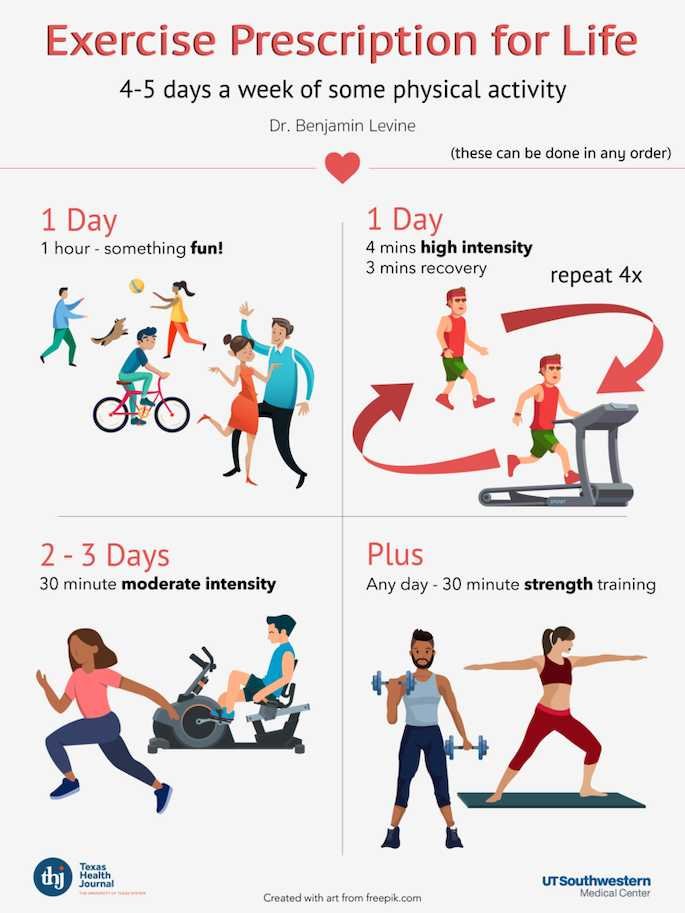
There are many ways to include cardio in your routine, each with unique benefits. Choosing activities you enjoy makes it easier to stay consistent.
- Walking: Gentle and accessible for all ages and fitness levels.
- Running: Offers high-intensity cardio for quicker calorie burn.
- Cycling: Low-impact option that strengthens leg muscles.
- Swimming: Full-body workout that is easy on joints.
- Jump Rope: Compact activity great for quick sessions.
High-Intensity Interval Training (HIIT)
HIIT involves short bursts of intense activity followed by rest or low-intensity periods. This method boosts fitness quickly and increases calorie burn. It’s suitable for those who want efficient workouts in less time.
How Much Cardio Should You Do?
Health experts recommend at least 150 minutes of moderate aerobic activity each week or 75 minutes of vigorous activity. Spreading this over several days ensures consistent benefits.
Balancing Cardio with Strength Training
While cardio is excellent for heart health and calorie burning, strength training builds muscle and improves bone density. Combining both creates a well-rounded fitness routine.
Listening to Your Body
Start slowly if you’re new to cardio, and gradually increase intensity. Pay attention to your body’s signals to prevent injury. Rest days are also vital to allow recovery and maintain motivation.
Potential Considerations and Risks of Cardio
While cardio offers many benefits, it can have risks if done excessively or improperly.
- Overtraining: Too much cardio may lead to fatigue or injuries.
- Joint Stress: High-impact activities can strain knees and ankles.
- Medical Conditions: People with health issues should consult a doctor before starting intense routines.
Tips for Safe Cardio Practice
Always warm up before exercising and cool down afterward. Wear appropriate footwear and stay hydrated. Adjust intensity based on your fitness level to prevent discomfort or injury.
Is Cardio Good for All Age Groups?
Yes, cardio benefits everyone, but the type and intensity should match age and fitness. Children and teens can enjoy playful activities like biking and swimming. Older adults may prefer walking or aqua aerobics to reduce joint impact.
Cardio for Children and Teens
Regular play and sports improve cardiovascular health and help develop coordination. Encouraging fun activities keeps young people active and engaged.
Cardio for Seniors
Moderate exercises like walking or gentle cycling support mobility and balance. Always consider personal health conditions and consult healthcare providers before starting new routines.
The Role of Cardio in a Healthy Lifestyle
Incorporating cardio into daily life promotes overall well-being. It helps maintain healthy weight, improves mood, and boosts energy levels. Making cardio a regular habit creates a foundation for lifelong health.
Practical Tips to Include More Cardio in Daily Life
– Take the stairs instead of the elevator.
– Walk or bike for short trips instead of driving.
– Incorporate active breaks during work hours.
– Join local sports clubs or group classes.
Final Thoughts on Whether Cardio Is Good
Cardio exercise plays a vital role in maintaining physical and mental health. While it offers numerous benefits like heart strength, weight management, and mood enhancement, it’s important to perform activities safely and in moderation. Finding enjoyable activities and balancing cardio with other fitness elements ensures long-term success.
In conclusion, cardio is a valuable part of a healthy lifestyle that can fit into many different routines and preferences. It supports your overall well-being and helps you stay active at every age.
Frequently Asked Questions
How does cardio exercise affect overall heart health?
Cardio exercise strengthens the heart muscle, improves blood circulation, and helps maintain healthy blood pressure levels. Regular cardio activity can reduce the risk of cardiovascular diseases by lowering bad cholesterol levels and increasing good cholesterol, leading to a healthier heart and better endurance over time.
Can cardio help with weight management and fat loss?
Yes, cardio workouts burn calories, which supports weight management and fat reduction. Engaging in consistent cardio sessions increases your daily caloric expenditure, making it easier to create a calorie deficit necessary for losing body fat and maintaining a healthy weight.
What are some mental health benefits of incorporating cardio into my routine?
Including cardio in your routine can boost mood, reduce stress, and improve mental clarity. Physical activity stimulates the release of endorphins, which are natural mood lifters. Additionally, regular cardio can help alleviate symptoms of anxiety and depression.
Is doing cardio safe for people with joint problems?
While high-impact cardio exercises might cause discomfort for individuals with joint issues, low-impact activities like swimming, cycling, or walking offer excellent alternatives. These exercises minimize joint stress while still providing cardiovascular benefits, making them safer options for those with joint concerns.
How often should I incorporate cardio into my weekly fitness plan?
Ideally, aim for at least 150 minutes of moderate-intensity cardio or 75 minutes of vigorous-intensity cardio each week. Spreading these sessions across several days helps maintain consistent cardiovascular benefit and reduces the risk of overtraining or injury.
Final Thoughts
Cardio exercises improve heart health and boost stamina, making daily activities easier. They help burn calories quickly, aiding weight management. Regular cardio also enhances mood and reduces stress levels.
In summary, is cardio good? Absolutely, it benefits overall health and fitness. Incorporating regular cardio into your routine can lead to a healthier, more energetic life.
As an Amazon Associate, We earn from qualifying purchases. When you purchase a product through Amazon links on pulsefitguide.com, we may earn a small commission at no extra cost to you. This helps support the site and keep our content free.