

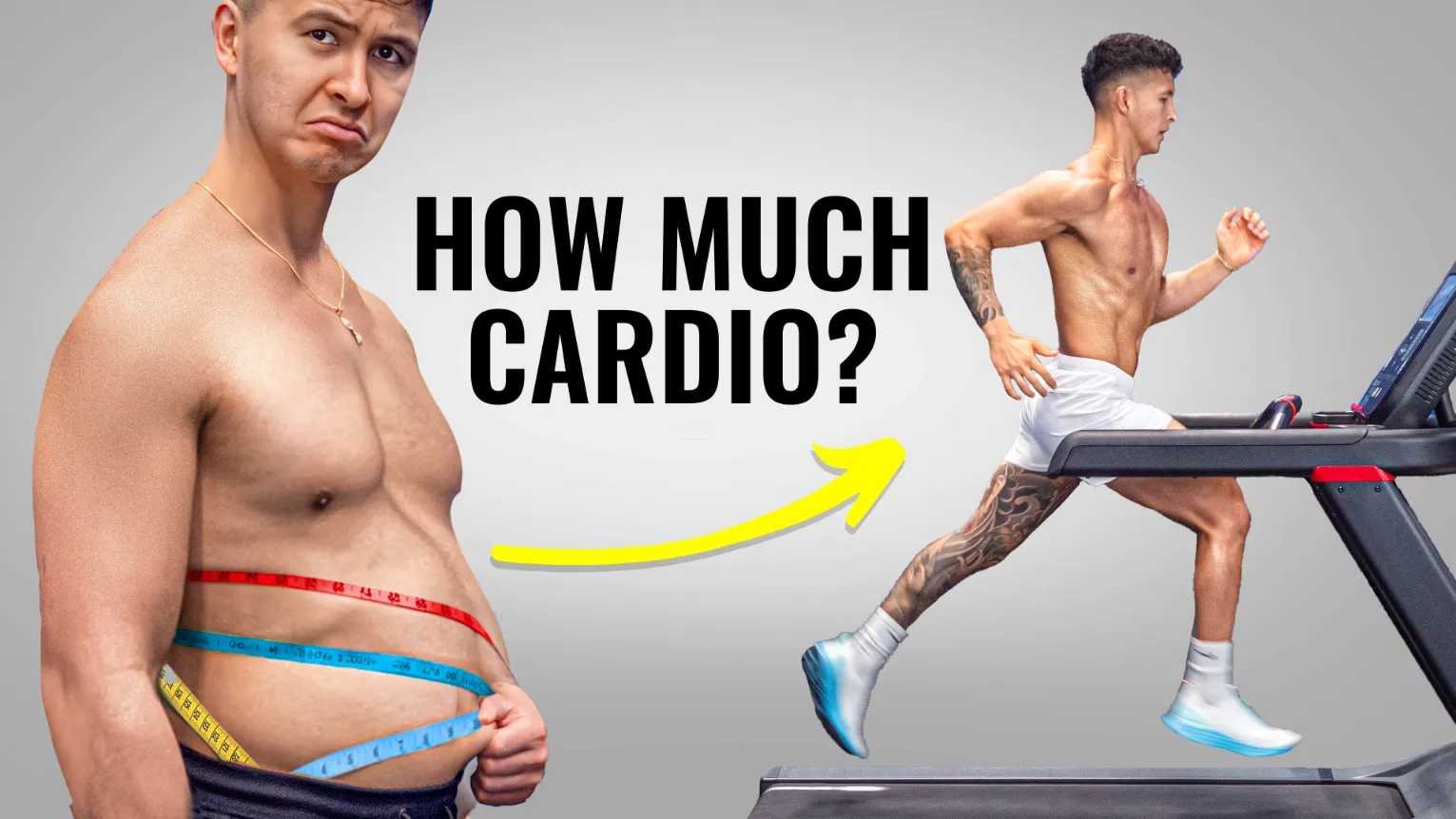
Cardio can be a great start for weight loss, but relying solely on it might not be enough for most people. Incorporating strength training and a balanced diet usually leads to better results. So, while cardio helps burn calories and improve cardiovascular health, combining it with other fitness elements will maximize your weight loss journey.
In short, cardio alone can aid in shedding pounds, but for sustainable and optimal results, it should be part of a comprehensive fitness routine that includes strength training and healthy eating. Addressing different aspects of fitness ensures you lose fat effectively and maintain your progress long-term.
Getting rid of excess weight isn’t just about running or cycling; it’s about creating a balanced approach that works for your body and lifestyle. Many people wonder if cardio by itself can help achieve their weight loss goals. The truth is, cardio is a powerful tool for burning calories, boosting metabolism, and improving heart health, but it doesn’t work in isolation. To truly see results and keep the weight off, combining cardio with strength training, proper nutrition, and rest is essential. This holistic approach not only accelerates fat loss but also enhances overall well-being, making your journey to a healthier you more effective and sustainable.

Is cardio enough for weight loss?
Understanding how cardio impacts weight loss
Cardio exercises, like running, cycling, and swimming, are popular for burning calories quickly. When you do cardio, your body uses energy, which helps reduce fat over time. Many people believe that cardio alone can lead to weight loss, but it’s important to look at the bigger picture.
Calorie burning and energy expenditure
During cardio activities, your body burns calories at different rates depending on the workout’s intensity and duration. The more intense and longer your session, the more calories you burn. This calorie deficit is essential for weight loss, making cardio a useful tool.
The role of cardio in creating a calorie deficit
To lose weight, you need to burn more calories than you eat. Cardio helps create this deficit by increasing your daily calorie burn. However, relying only on cardio may not be sufficient if your diet isn’t managed well.
Limitations of doing only cardio exercises
While cardio burns calories, it might not be enough for long-term weight loss success. Doing only cardio can lead to muscle loss or weight loss plateaus. That’s why combining different exercise types can be more effective.
Why strength training matters alongside cardio
Adding strength exercises like lifting weights boosts muscle mass. Muscle burns more calories even when you rest, helping you lose weight faster. Combining cardio and strength training provides a balanced approach.
Benefits of strength training combined with cardio
- Increases muscle mass, which raises resting metabolism
- Helps prevent muscle loss during weight loss
- Improves overall body composition
Studies show that people who include strength training in their routines tend to lose more fat and retain muscle.
How diet influences weight loss
Even the best workout plan won’t work if your diet is off track. Eating a balanced diet with the right portions of proteins, carbs, and fats is crucial. Reducing calorie intake while increasing activity creates the best results.
The importance of a balanced workout plan
To maximize weight loss, combine cardio, strength training, and flexibility exercises. This variety prevents boredom and reduces injury risk. It also targets different muscle groups and improves overall fitness.
Frequency and intensity of cardio workouts
Experts recommend doing cardio at least three to five times a week. Each session should last around 30 to 60 minutes, depending on your fitness level. Increasing intensity can help burn more calories in less time.
Sample weekly cardio plan
- Monday: brisk walk or light jog – 45 minutes
- Wednesday: cycling or swimming – 40 minutes
- Friday: high-intensity interval training (HIIT) – 30 minutes
- Sunday: active rest like a casual hike or dance class
High-Intensity Interval Training (HIIT) and weight loss
HIIT involves short bursts of intense activity followed by rest periods. It’s very effective for burning calories quickly and improving cardiovascular health. Adding HIIT to your routine can boost total calorie expenditure.
Advantages of HIIT
- Shorter workout duration with high calorie burn
- Increases post-exercise oxygen consumption, leading to more calorie burn afterward
- Improves endurance and metabolic rate
However, it’s essential to do HIIT safely and consult a professional if you’re new to intense workouts.
Monitoring progress and avoiding plateaus
Tracking your workouts and diet helps stay motivated and identify what’s working. If weight loss stalls, try changing your routine, increasing intensity, or adjusting calorie intake. Staying consistent is key.
Can you lose weight with only cardio? The bottom line
While cardio is a powerful tool for calorie burning, relying solely on it may not provide the best results. Combining cardio with strength training, proper diet, and consistency yields more sustainable and significant weight loss.
Other factors influencing weight loss success
Factors like sleep quality, stress management, and hydration also play roles. Adequate sleep helps regulate hunger hormones, while managing stress prevents emotional eating. Proper hydration supports metabolism and recovery.
Summary of key points
- Cardio helps burn calories but may not be enough alone
- Strength training increases muscle mass and boosts metabolism
- A balanced diet is essential for creating a calorie deficit
- Consistency and variety prevent plateaus
- Healthy lifestyle factors support your weight loss journey
Final thoughts
In conclusion, cardio can contribute significantly to weight loss, but it is most effective when combined with other exercise forms and a healthy lifestyle. A well-rounded approach ensures better results and promotes overall health. Remember, patience and persistence are vital to reaching your goals.
Frequently Asked Questions
Can doing cardio alone lead to significant weight loss?
While cardio exercises burn calories and help create a calorie deficit, relying solely on cardio might not lead to optimal weight loss results. Incorporating strength training can build muscle, which boosts metabolism and enhances fat burning. A balanced approach that combines cardio with resistance exercises often yields better and faster weight loss outcomes.
Is it necessary to include strength training with cardio for effective weight loss?
Yes, adding strength training to your routine can significantly improve weight loss efforts. Muscle tissue burns more calories at rest than fat tissue, helping you burn more calories throughout the day. A combination of cardio and strength exercises increases overall calorie expenditure and supports lean muscle development, making your weight loss journey more efficient.
How does diet impact the effectiveness of cardio in weight loss?
Your diet plays a crucial role in weight loss success. Even if you perform regular cardio, consuming more calories than you burn can hinder progress. Focusing on a nutritious, calorie-controlled diet ensures that your efforts in cardio translate into fat loss rather than just replenishing lost energy. Pairing exercise with healthy eating creates a sustainable weight management strategy.
Can high-intensity cardio workouts accelerate weight loss?
High-intensity cardio sessions, such as HIIT (High-Intensity Interval Training), can boost your metabolic rate and increase calories burned even after the workout ends. These workouts are efficient and can accelerate weight loss compared to moderate-intensity cardio. However, it’s important to balance them with proper rest and recovery to prevent injury and overtraining.
Does the timing of cardio workouts affect weight loss results?
While the timing of cardio sessions can influence energy levels and workout performance, it doesn’t dramatically change overall weight loss results. Consistency and total weekly calorie expenditure matter most. Whether you do cardio in the morning or evening, maintaining regular exercise habits supports ongoing weight loss and health improvements.
Final Thoughts
Cardio plays a vital role in weight loss by burning calories and improving cardiovascular health. However, relying solely on cardio limits muscle building and metabolic rate boosts. Incorporating strength training enhances overall fat loss and toning.
In conclusion, is cardio enough for weight loss? Not entirely. Combining cardio with strength exercises offers a more balanced and effective approach for sustained results. Balance and variety remain key for achieving fitness goals.
As an Amazon Associate, We earn from qualifying purchases. When you purchase a product through Amazon links on pulsefitguide.com, we may earn a small commission at no extra cost to you. This helps support the site and keep our content free.