

Cardio is often seen as the go-to exercise for shedding pounds, but is it really bad for weight loss? The quick answer is no—when done correctly, cardio can be a highly effective part of your weight loss journey. However, overdoing it or relying solely on cardio without strength training might hinder your progress or lead to burnout. The key is balance and variety to optimize fat burning and overall health.
If you’re wondering whether cardio is sabotaging your weight loss efforts, the good news is that it isn’t inherently bad—it’s all about how you incorporate it into your routine. When combined with strength training, proper nutrition, and rest, cardio can boost your metabolism and help you burn calories efficiently. So, don’t shy away from cardio; just make sure it’s part of a well-rounded plan that keeps your body guessing and progressing.

Is Cardio Bad for Weight Loss? Breaking Down the Truth
Understanding What Cardio Is and Why People Do It
Cardio, short for cardiovascular exercise, includes activities like running, cycling, jumping rope, and swimming. Many believe that doing lots of cardio helps burn calories and lose weight faster. That’s because cardio workouts increase your heart rate, making your body burn energy to keep going.
People do cardio to improve heart health, boost endurance, and shed pounds. It’s often seen as the go-to exercise for quick weight loss results. But is that always true? Sometimes, doing too much cardio might not be the best choice for losing weight.
How Cardio Affects Your Body During Exercise
When you engage in cardio, your body uses stored fat and carbs for energy. The amount of fat burned depends on how hard you’re working and how long you exercise. During moderate-intensity cardio, your body primarily burns fat.
As intensity increases, your body shifts to burning more carbs for quick energy. This is why high-intensity workouts can sometimes burn more calories overall. But the key is finding the right balance to avoid burning muscle or causing fatigue.
Common Benefits of Cardio for Weight Loss
- Burns Calories: Cardio is effective at increasing calorie expenditure, aiding weight loss.
- Boosts Heart Health: Regular cardio can strengthen your heart and improve circulation.
- Enhances Endurance: Over time, cardio builds stamina and reduces fatigue during other activities.
- Reduces Stress: Cardio releases endorphins that help improve mood and reduce stress levels.
However, benefits depend on proper exercise methods and consistency.
Are There Downsides to Excessive Cardio?
While cardio has many benefits, doing too much without proper recovery can cause problems. Excessive cardio might lead to overtraining, which can hinder weight loss.
Some risks include muscle loss, increased hunger, and fatigue. These factors can make it harder to stick with your weight loss plan. It’s important to find a balance that suits your body and goals.
Cardio and Muscle Preservation: Why It Matters
Many worry that cardio causes muscle loss, which slows down metabolism. While some muscle loss can occur if cardio is done excessively, it’s usually minimal with proper nutrition and strength training.
Adding resistance exercises a few times a week can help preserve and build muscle. This combination supports a higher resting metabolic rate, helping you burn more calories even at rest.
The Role of Diet in Conjunction with Cardio
Eating the right foods supports your cardio workouts and weight loss efforts. A balanced diet rich in proteins, healthy fats, and complex carbs provides energy and aids recovery.
Overeating after cardio sessions can negate calorie burns. Tracking your intake and focusing on nutrient-dense foods can improve results significantly.
The Importance of High-Intensity Interval Training (HIIT)
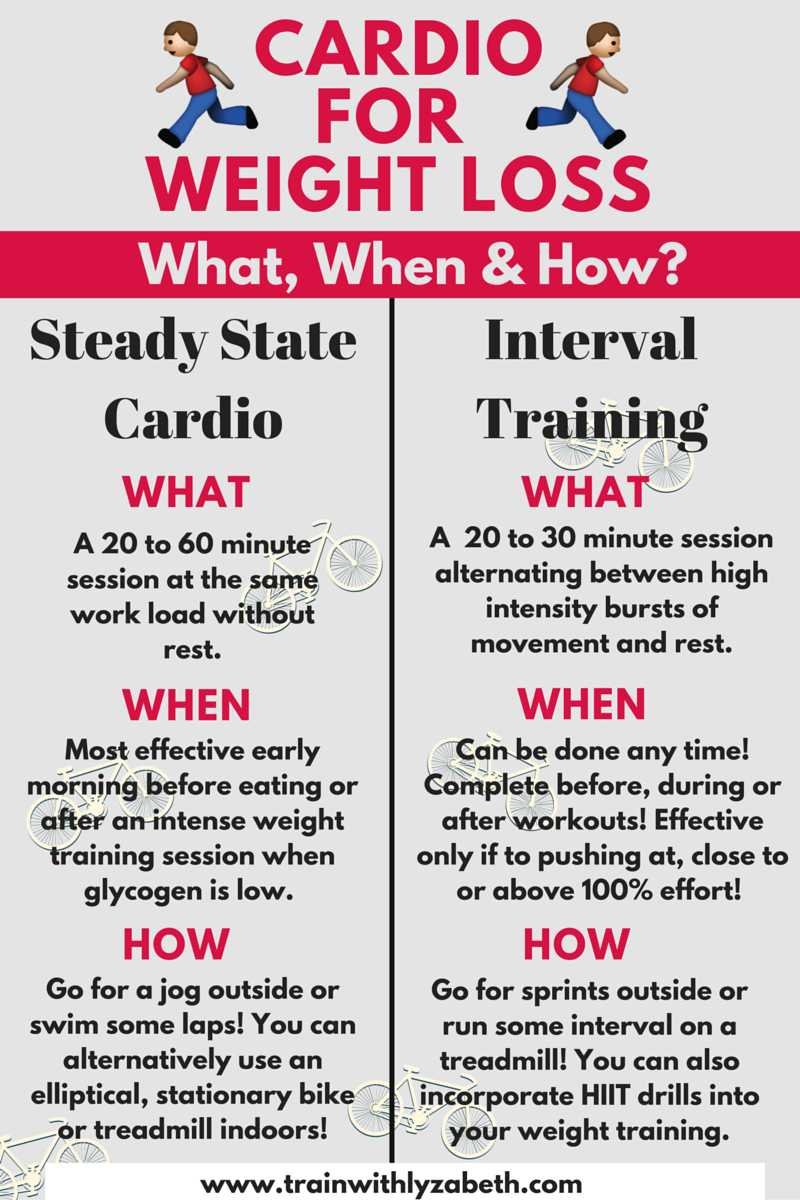
HIIT involves short bursts of intense activity followed by rest periods. It burns a lot of calories quickly and can boost metabolism for hours afterward.
Research shows HIIT can be more effective for fat loss than steady-state cardio. Plus, it usually takes less time, making it a popular choice for busy schedules.
Combining Cardio with Strength Training for Better Results
Adding strength training complements cardio by building muscle, which burns more calories even at rest. This combination shortens workout time while optimizing fat loss.
A balanced routine can include three days of cardio and two days of strength exercises weekly. This mix enhances overall fitness and helps prevent muscle loss.
Tracking Your Progress and Adjusting Your Routine
Monitoring your workouts helps identify what’s working best. Keep track of calories burned, distance covered, and how you feel during exercises.
Adjust your routine based on progress, fatigue levels, and changing goals. Sometimes reducing cardio and increasing strength training can boost weight loss.
Summary: Is Cardio Bad for Weight Loss?
Cardio isn’t inherently bad for weight loss. In fact, it can be a powerful tool when combined with proper nutrition and strength training. The key is to use it wisely and avoid overdoing it.
Finding the right balance allows you to burn calories effectively, preserve muscle, and stay energized. Remember, consistency and a well-rounded plan lead to the best results.
Additional Topics Related to Cardio and Weight Loss
- Best Types of Cardio for Weight Loss: Walking, swimming, cycling, and running.
- How Long Should You Do Cardio? 30 to 60 minutes per session, several times a week.
- Understanding Rest and Recovery: Allow muscles to repair and prevent burnout.
- Effectiveness of SweatMakers and Fitness Devices: Use them as motivation, not sole solutions.
Effective weight loss involves a combination of smart cardio, proper diet, strength training, and adequate rest. Use this knowledge to craft an exercise plan that fits your lifestyle and helps you reach your goals.
Frequently Asked Questions
Can doing too much cardio hinder muscle gain during weight loss?
Yes, excessive cardio can interfere with muscle development because it may lead to muscle loss if not balanced with strength training and proper nutrition. Overdoing cardio can also increase fatigue, making recovery harder and potentially reducing your overall workout quality. To maintain muscle while losing weight, combine moderate cardio with resistance exercises and ensure you consume enough protein.
Does cardio burn calories only during the workout, or does it affect metabolism afterward?
Cardio not only burns calories during the activity but can also elevate your metabolic rate for several hours after finishing, a phenomenon known as excess post-exercise oxygen consumption (EPOC). However, the afterburn effect varies depending on the intensity and duration of the workout. Incorporate interval training to maximize calorie burn both during and after your sessions.
Is performing cardio on an empty stomach effective for weight loss?
Working out on an empty stomach, often called fasted cardio, can promote the use of stored fat for energy. However, it might also reduce workout intensity and cause fatigue, which can limit overall calorie expenditure. If you choose fasted cardio, keep sessions moderate and listen to your body’s signals to avoid adverse effects.
How should I balance cardio with other types of exercise for effective weight loss?
Balancing cardio with strength training offers the best approach to losing weight healthily. Cardio helps burn calories and improve cardiovascular health, while strength exercises build muscle, increasing resting metabolic rate. Aim to include both in your routine, adjusting the frequency based on your goals and recovery capacity.
Can doing cardio too frequently lead to weight gain?
Final Thoughts
In summary, the question of whether cardio is bad for weight loss depends on individual goals and methods. Cardio can aid in burning calories and improving overall health when incorporated wisely. However, relying solely on cardio may not be sufficient for sustainable weight loss.
Understanding how cardio fits into a balanced routine helps optimize results. Overall, cardio is not inherently bad for weight loss; it’s about balance and proper execution.
As an Amazon Associate, We earn from qualifying purchases. When you purchase a product through Amazon links on pulsefitguide.com, we may earn a small commission at no extra cost to you. This helps support the site and keep our content free.