

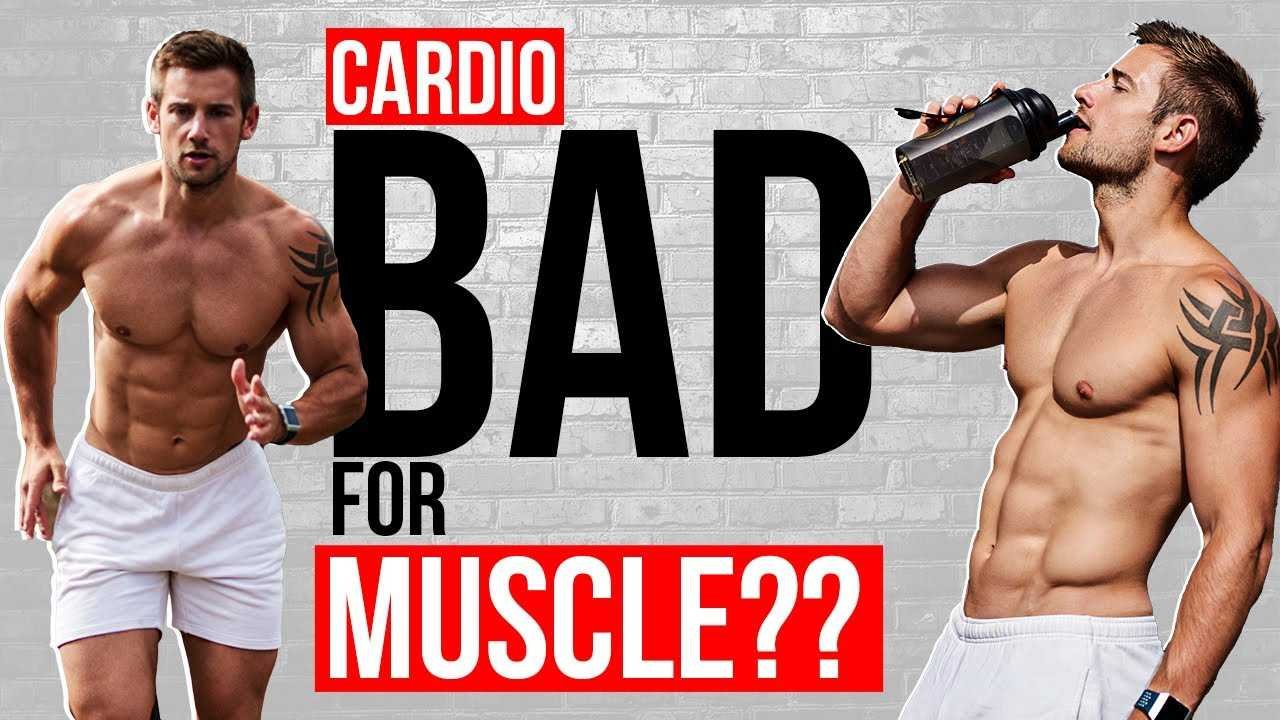
Cardio isn’t necessarily bad for building muscle—it depends on how and when you incorporate it into your routine. The key is to find the right balance: too much cardio can hinder muscle gain, but moderate sessions can actually support your overall fitness and recovery.
In short, moderate cardio isn’t detrimental to muscle growth if paired appropriately with resistance training. Overdoing it, however, may lead to muscle loss or impede strength gains.
Many fitness enthusiasts wonder if cardio hampers muscle development. The good news is that it’s all about how you manage your cardio sessions in relation to your weightlifting. Proper timing, intensity, and frequency can make cardio a beneficial addition to your muscle-building journey rather than an obstacle. So, with a strategic approach, you can enjoy the best of both worlds—improved cardiovascular health and impressive muscles.

Is cardio bad for building muscle?
Understanding the Role of Cardio in Fitness
Cardio exercises include activities like running, cycling, swimming, and jumping rope. These workouts are great for improving heart health and increasing endurance. Many people worry that doing too much cardio might stop muscle growth, so let’s explore if that is true.
How Cardio Affects Muscle Growth
When you do cardio, your body burns calories and fat for energy. If you do excessive cardio, it can lead to muscle loss because your body might break down muscle to get the energy it needs. However, doing moderate cardio usually doesn’t harm muscle growth and can even support recovery.
Balance Between Cardio and Strength Training
To avoid losing muscle while doing cardio, it’s important to find the right balance. Combining strength training with cardio helps your muscles grow and improves overall fitness. Many athletes schedule cardio on separate days or after weight lifting to prevent interference.
The Science Behind Cardio and Muscle Building
Research shows that moderate cardio does not reduce muscle gains when combined with resistance training. In fact, it can help increase blood flow and nutrient delivery to muscles. However, excessive cardio can increase cortisol levels, which might hinder muscle recovery and growth.
How Much Cardio Is Too Much?
The answer varies depending on your goals. For muscle building, doing less than three sessions of 20 to 30 minutes per week is usually recommended. High-intensity cardio or long sessions can be counterproductive if not planned properly.
Types of Cardio and Their Impact on Muscles
Different kinds of cardio affect muscles differently:
- Steady-State Cardio: Activities like jogging at a consistent pace. It’s easier on muscles but can be prolonged, risking muscle fatigue if overdone.
- High-Intensity Interval Training (HIIT): Alternating between intense efforts and rest. It boosts stamina and burns fat but can tax muscles if not balanced with recovery.
- Low-Impact Cardio: Swimming or cycling. These are gentle on muscles and good for active recovery.
Timing Cardio for Better Muscle Gains
Timing your cardio workouts strategically can help you build muscle. Doing cardio after weight training helps preserve glycogen stores needed for lifting. Alternatively, separating cardio and weights on different days can prevent fatigue that hampers muscle growth.
Nutrition and Recovery Are Key
Eating enough protein and calories is essential to support both cardio and muscle building. Post-cardio nutrition, including protein intake, helps repair muscles. Proper rest and sleep also play vital roles in muscle recovery after cardio sessions.
Cardio as Part of a Muscle-Building Routine
Incorporating moderate cardio into your routine can enhance overall health without sacrificing muscle gains. It improves cardiovascular health and aids in fat loss, revealing muscle definition. Just remember, less is more when it comes to cardio if your primary goal is muscle growth.
Common Mistakes to Avoid
Avoid doing excessive cardio that leads to overtraining. Don’t neglect strength training or proper nutrition. Overdoing cardio can cause fatigue, making it difficult to lift heavy or recover properly.
Expert Tips for Combining Cardio and Muscle Building
- Schedule cardio sessions on separate days or after weights.
- Keep cardio sessions moderate in duration and intensity.
- Prioritize strength training during your workout week.
- Ensure adequate protein intake and caloric surplus if muscle gain is your goal.
- Listen to your body and allow time for recovery.
Summary of Key Points
- Moderate cardio does not hinder muscle growth when combined with strength training.
- Excessive cardio can lead to muscle loss due to increased fatigue and cortisol levels.
- Timing, type, and duration of cardio play critical roles in your success.
- Nutrition and recovery are essential for balancing cardio and muscle building.
Additional Topics Related to Cardio and Muscle Building
Cardio for Fat Loss and Muscle Definition
Running or cycling can accelerate fat burning, helping muscles become more visible. Combining cardio with lifting maximizes aesthetic results.
Monitoring Progress and Adjusting Your Routine
Track your performance and body composition to see how your cardio impacts muscle gains. Adjust intensity and duration to find your optimal balance.
Is Cardio Necessary for Muscle Building?
While not essential, cardio enhances overall fitness and can support longer workouts. It also improves heart health, which benefits muscle recovery.
Conclusion
In summary, cardio is not inherently bad for building muscle. Doing the right amount and type of cardio, combined with proper nutrition and strength training, can actually support your muscle growth goals. The key is to find a well-balanced routine that fits your individual needs and keeps overtraining at bay.
Frequently Asked Questions
Does doing cardio interfere with muscle growth during strength training?
Performing cardio alongside strength training can sometimes compete for your body’s recovery resources, especially if done excessively. However, moderate cardio does not significantly hinder muscle growth if you maintain proper nutrition and recovery. Balancing both can enhance overall fitness without compromising muscle gains.
Is there a specific type of cardio that impacts muscle development more than others?
High-intensity or long-duration cardio sessions tend to have a greater impact on muscle mass because they increase fatigue and can interfere with recovery. Conversely, low to moderate-intensity cardio, such as walking or cycling, minimally affects muscle building and can even aid in recovery and cardiovascular health.
How should I incorporate cardio into my strength training routine without sacrificing muscle gains?
Include cardio sessions on rest days or after weight training to minimize interference with muscle recovery. Keep cardio sessions moderate in intensity and duration, and prioritize proper nutrition to support both cardio and strength training efforts. This approach ensures you build muscle while maintaining cardiovascular health.
Final Thoughts
Cardio and muscle building can coexist effectively with proper scheduling. Excessive cardio might hinder muscle gains by consuming energy needed for strength training. However, moderate cardio can improve overall fitness and recovery.
Balancing cardio with resistance training helps maintain muscle mass while enhancing cardiovascular health. The key is integrating both without overdoing either.
In conclusion, is cardio bad for building muscle? Not necessarily. When planned correctly, cardio supports your fitness goals without compromising muscle growth.
As an Amazon Associate, We earn from qualifying purchases. When you purchase a product through Amazon links on pulsefitguide.com, we may earn a small commission at no extra cost to you. This helps support the site and keep our content free.