

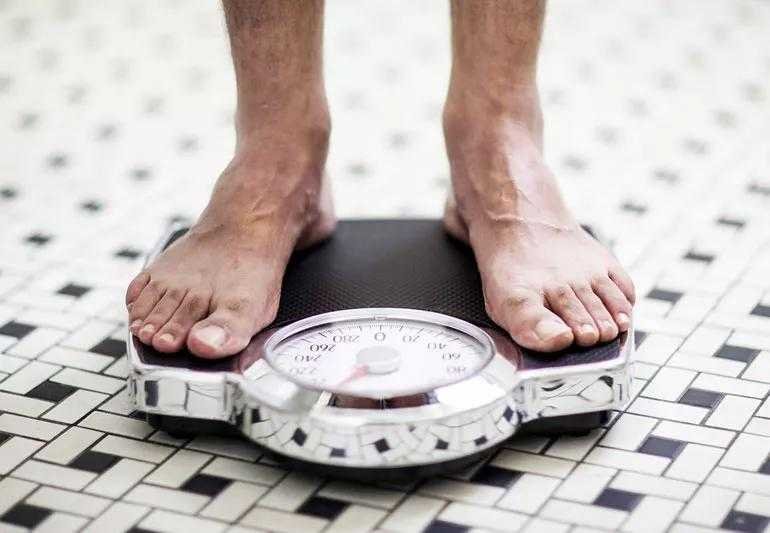
Weighing yourself at the same time each week can provide more consistent and accurate tracking of your progress. To do this effectively, choose a specific day and time—preferably in the morning before eating or drinking—and stick to it. Consistency is key to seeing real trends over time, not just daily fluctuations.
In short, set a regular schedule, select a consistent time, and weigh yourself in the same conditions each week. This routine helps you monitor your weight more reliably and stay motivated toward your health goals.
Sticking to a weekly weighing routine offers a clear snapshot of your progress without getting overwhelmed by daily ups and downs. By weighing yourself at the same time every week, you ensure your measurements are more accurate and meaningful. Making this a habit allows you to track trends over time and adjust your efforts accordingly, whether you’re aiming to lose, gain, or maintain your weight. So, find a specific day and time that works for you, make it part of your weekly routine, and watch your progress become much easier to understand and stay motivated by.

How to Weigh Yourself Once a Week at the Same Time
Why Consistent Weighing Matters
Weighing yourself at the same time each week helps you see clear, accurate trends. It reduces the chances of fluctuations caused by factors like meals or hydration. When you compare weights weekly, you get a better picture of your overall progress.
Choosing the Best Day and Time
Pick a day that works best for your schedule, like Sunday morning or Monday after waking up. The key is to stick to that day every week. Always weigh yourself at the same time to keep results consistent and reliable.
Morning vs. Evening Weigh-Ins
Most experts suggest weighing yourself in the morning before food or drink intake. This minimizes variables like meals, hydration levels, or clothing differences. Weighing in the evening might show higher weights because of daily water retention and food intake.
Before or After Shower
It’s best to weigh yourself before showering or dressing. Showering can add moisture to your skin or hair, which might affect the scales slightly. Keep this step consistent each week to ensure accurate readings.
Preparing to Weigh Yourself
Proper preparation helps make your measurements more precise. Wear minimal clothing or your usual lightweight outfit when weighing. Make sure the scale is on a hard, flat surface for the most accurate reading.
Calibrating Your Scale
Regularly check your scale’s accuracy by placing it on a flat surface and weighing a heavy object or checking against a known weight. Recalibrate if the readings are inconsistent to avoid errors.
Using the Same Scale
Always use the same scale for your weekly weigh-ins. Different scales can show slight variations, which might confuse your progress tracking. Keep the scale in the same spot each time to prevent uneven floor effects.
How to Weigh Yourself Effectively
Stand still with your feet evenly spaced and your body relaxed. Don’t hold onto anything or adjust your posture during the measurement. Stand straight and look straight ahead for the most consistent results.
Record Your Results
Keep a dedicated journal, app, or spreadsheet to log each weight. Write down the date, time, and your weight each week. Seeing your progress over time can motivate you and reveal patterns.
What to Do with Your Data
Review your weekly weights to assess trends rather than daily fluctuations. Remember, small changes are normal. Focus on the overall movement over several weeks rather than individual readings.
Dealing with Fluctuations
Weight can fluctuate due to water retention, meal timing, or hormonal changes. Don’t panic if your weight varies slightly from week to week. Use averages over several weeks to get a clearer picture.
Understanding Normal Variations
It’s common to see a difference of up to two pounds within a week. This doesn’t mean you’re gaining or losing significant fat. Instead, it reflects normal body processes like hydration and digestion.
Managing Emotional Impact
Don’t let small fluctuations discourage you. Focus on your long-term goals and remember that weight is only one part of health. Stay consistent and patient as you watch gradual progress.
Additional Tips for Accurate Weekly Weigh-Ins
Consistency is key to reliable weight tracking. Here are some additional tips:
- Weigh yourself at the same time each week
- Use the same scale and location
- Wear similar clothing or none at all
- Weigh yourself before eating or drinking in the morning
- Record your weight immediately after stepping off
Related Topics to Consider
Tracking Body Measurements
Alongside weighing, taking body measurements like waist, hips, and chest can provide additional insights into your health and fitness progress.
Understanding Body Composition
A scale measures weight but doesn’t differentiate between fat, muscle, and water. Considering body composition assessments can give a fuller picture of your health.
Maintaining Motivation
Use your weekly weigh-ins as a motivational tool, not as a source of stress. Celebrate small victories and focus on creating sustainable, healthy habits.
How Diet and Exercise Affect Your Weight
Remember that factors like diet, exercise, sleep, and hydration all influence your weight. Consistent weighing helps you understand how your lifestyle choices impact your progress.
Summary
Weighing yourself once a week at the same time helps you track your health journey accurately. Preparing properly, choosing the same day and time, and recording results consistently are vital steps. Remember to be patient and focus on overall trends rather than short-term changes to stay motivated and informed.
When is the best time to weigh yourself. #weightlosstips
Frequently Asked Questions
What precautions should I take before weighing myself weekly?
Ensure you weigh yourself under consistent conditions by wearing similar clothing or none at all, and avoid weighing yourself immediately after eating or exercising. Using the same scale and placing it on a flat, hard surface helps maintain accuracy. These steps reduce variability and give you more reliable measurements.
Why is it important to weigh yourself at the same time each week?
Measuring yourself at a consistent time minimizes the effects of daily fluctuations caused by hydration, food intake, and activity. Doing it at the same time each week provides a clearer picture of your progress over time, making it easier to track trends accurately.
How can I ensure consistency when weighing myself during different seasons or weather conditions?
Try to weigh yourself indoors in a controlled environment to avoid temperature and humidity changes that could affect your scale readings. Additionally, wear the same type of clothing or similar clothing layers each time, and always use the same scale on a level surface for consistent results regardless of seasonal variations.
What should I do if I see inconsistent readings week to week?
If your weight measurements vary significantly, double-check that your scale is calibrated correctly and placed in the same spot. Confirm you’re weighing yourself under similar conditions each time. If inconsistencies persist, consider using a different scale or recording additional metrics like body measurements or how your clothes fit to get a complete picture of your progress.
Is it beneficial to record my weight immediately after waking up?
Yes, weighing yourself shortly after waking up, before eating or drinking, helps reduce fluctuations caused by food intake and hydration. This practice provides more consistent and comparable measurements, making it easier to monitor changes over time accurately.
Final Thoughts
How to weigh yourself once a week at the same time is simple and effective for tracking progress. Choose a consistent morning, ideally right after waking up and using the bathroom. Wear the same clothing or none at all for accurate results. Keep a record to monitor changes over time. This routine helps you stay focused and provides reliable data to support your health goals.
As an Amazon Associate, We earn from qualifying purchases. When you purchase a product through Amazon links on pulsefitguide.com, we may earn a small commission at no extra cost to you. This helps support the site and keep our content free.