

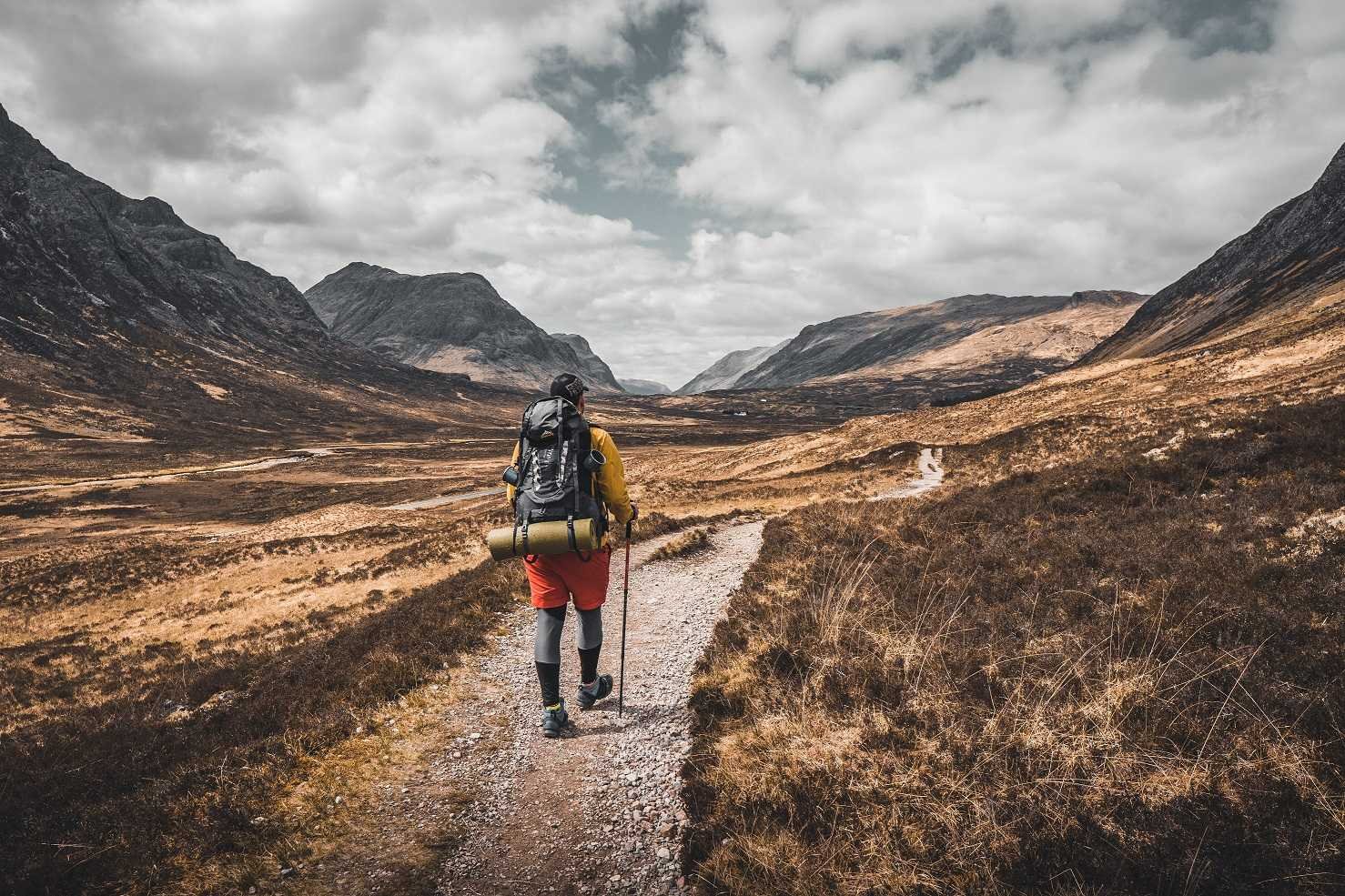
To walk longer distances and burn more calories, focus on gradually increasing your walking time, maintaining a steady pace, and staying motivated. Using proper footwear and incorporating interval walking can also boost your endurance and calorie burn. Remember, consistency and pacing are key to walking further and reaping maximum health benefits.
Walking longer distances to burn more calories is all about building endurance and staying committed over time. Start slow, set achievable goals, and gradually push yourself without overexerting. Incorporate changes like walking briskly, taking breaks strategically, and choosing scenic routes to keep things interesting. With patience and persistence, you’ll find yourself walking further and healthier each day, transforming your routine into an effective calorie-burning workout.
If you want to walk longer distances to burn more calories, you should focus on increasing your stamina gradually, maintaining a consistent pace, and staying motivated through variety and goal-setting. These simple adjustments will help you extend your walking sessions and maximize your calorie expenditure. Remember, the key is to listen to your body and progress at a sustainable pace to avoid injury and enjoy your journey to better fitness.

How to walk longer distances to burn more calories
Walking is a simple activity that anyone can do to help improve health and burn calories. If you want to lose weight or boost your fitness, walking longer distances is a great choice. This section will show you how to increase your walking distance effectively and safely.
Start with a Clear Goal
Knowing what you want to achieve keeps you motivated and focused. Set a specific target, such as walking an extra mile or adding 10 minutes to your usual walk. Write down your goals and track your progress regularly.
Setting realistic goals helps prevent injury and keeps the activity enjoyable. For example, aim to add 5 minutes each week until you reach your desired walking distance. Consistency is key to building endurance over time.
Plan Your Routes Carefully
Choose scenic, safe, and comfortable routes to encourage longer walks. Use maps or walking apps to find paths that are flat and free from heavy traffic. Exploring new areas can also make walking more interesting and less monotonous.
Consider walking in parks, trails, or around your neighborhood. Planning ahead helps you avoid interruptions and makes it easier to stick to your distance goals.
Gradually Increase Your Walking Distance
Avoid pushing yourself too hard too soon. Increase your walking distance gradually by around 10 percent each week. This slow progression helps your muscles and joints adapt to longer walks without injury.
For example, if you usually walk three miles, add a small extra distance every few days. Listen to your body and rest if you feel tired or sore.
Improve Your Walking Technique
Good walking form can help you walk faster and farther with less effort. Keep your head up and look forward. Relax your shoulders and swing your arms naturally at your sides.
Maintain an upright posture, tighten your core muscles slightly, and engage your abdominal muscles. Proper technique reduces fatigue and increases efficiency, allowing you to walk longer.
Choose the Right Footwear
Supportive shoes are essential for long walks. Look for comfortable, well-cushioned sneakers that fit well. Shoes with good arch support and shock absorption help prevent foot and leg pain.
Replace worn-out shoes regularly to maintain proper support. Proper footwear makes longer walks more enjoyable and reduces the risk of blisters and blisters.
Incorporate Walking Intervals
To walk longer distances, try alternating between faster and slower paces. Walk briskly for a few minutes, then slow down for a minute to recover. Repeat these intervals throughout your walk.
This method can help increase your overall distance and calorie burn. It also improves your cardiovascular stamina over time.
Stay Motivated with Music or Podcasts
Listening to music or engaging podcasts keeps your mind occupied during long walks. Create playlists with your favorite upbeat songs to boost your energy levels.
Having interesting audio content can distract from fatigue, making it easier to extend your walking time and distance comfortably.
Make Walking a Social Activity
Walking with friends, family, or a walking buddy can make the activity more enjoyable. Social interactions motivate you to walk longer and more regularly.
Join local walking groups or clubs if available in your area. Sharing your progress and goals with others can boost your commitment.
Use Pacing Strategies
Pay attention to your walking pace to optimize calorie burn. Walking at a brisk pace—around 3.5 to 4 miles per hour—helps burn more calories than slow strolling.
You can use a pedometer, fitness tracker, or smartphone app to monitor your speed. Keeping a steady, moderate pace enables you to walk longer distances effectively.
Maintain Proper Hydration and Nutrition
Staying well-hydrated and eating balanced meals supports energy levels during long walks. Drink water before, during, and after your walks to prevent dehydration.
Fuel your body with healthy snacks like fruit, nuts, or energy bars before and after walks. Proper nutrition helps sustain your stamina for longer distances.
Incorporate Cross-Training and Strengthening Exercises
Adding strength training and flexibility exercises complements your walking routine. Strong muscles support longer walks and help prevent injuries.
Focus on core, leg, and hip exercises, such as squats and lunges. Stretch regularly to improve flexibility and reduce muscle tightness.
Track Your Progress with Technology
Using fitness trackers or smartphone apps provides real-time data on distance, speed, and calories burned. Monitoring your progress helps set new goals and stay motivated.
Review your weekly logs to identify improvements and areas needing attention. Celebrate milestones to keep your enthusiasm high.
Embrace the Power of Warm-Ups and Cool-Downs
Warming up before your walk prepares your muscles and reduces injury risk. Do light stretching or a few minutes of slow walking.
Cooling down helps your body recover and minimizes soreness. Incorporate gentle stretches after long walks to improve flexibility and prevent stiffness.
Stay Consistent and Patient
Building endurance takes time and effort. Walk regularly—ideally at least three to four times a week—to see steady improvements.
Be patient and focus on progress rather than perfection. Over time, you’ll notice longer walks and more calories burned, bringing you closer to your health goals.
Related Topics
- Best walking shoes for comfort and support
- How to improve cardiovascular health through walking
- Healthy snacks for energy during long walks
- Stretching exercises for walkers
- How to prevent injuries while walking
Following these tips will help you increase your walking distance safely and comfortably. Consistency, proper technique, and motivation will make walking a rewarding part of your daily routine. Remember, the longer you walk, the more calories you burn, and the healthier you become.
Which Burns Fat Faster, Walking or Running?
Frequently Asked Questions
What are effective strategies to gradually increase walking distance?
Start by adding a few extra minutes to your daily walks each week. Incorporate small increments, such as 0.5 to 1 mile, and aim for consistency. Using a pedometer or fitness tracker helps monitor your progress and keeps you motivated. Incorporate varied routes and terrains to challenge your body and prevent boredom, which encourages longer walking sessions over time.
How can proper footwear improve my ability to walk longer distances?
Wearing supportive and comfortable shoes tailored for walking reduces fatigue and minimizes the risk of injury. Proper footwear absorbs shock and provides stability, allowing you to walk longer without discomfort. Regularly replacing worn-out shoes helps maintain support, making it easier to extend your walking sessions safely.
What types of warm-up routines can prepare my body for longer walks?
Engage in gentle stretching exercises targeting your legs, hips, and lower back before starting your walk. Light activities, such as ankle circles, leg swings, or a short slow-paced walk, help increase blood flow and loosen muscles. Warming up reduces the risk of strains, enabling you to walk longer distances comfortably.
How does pacing influence my ability to walk further?
Maintaining a steady, brisk pace improves cardiovascular endurance and allows you to cover more ground efficiently. Avoid starting too fast, which can lead to fatigue early on. Find a comfortable yet challenging speed, and gradually increase your pace as your stamina improves, helping you walk longer distances without feeling overly exhausted.
What role does hydration and nutrition play in extending walking sessions?
Staying well-hydrated before and during your walk keeps your muscles functioning optimally. Consuming small, easily digestible snacks or energy gels can sustain your energy levels during longer walks. Proper nutrition and hydration help prevent fatigue, allowing you to walk further and burn more calories effectively.
Final Thoughts
To walk longer distances to burn more calories, set achievable goals and gradually increase your distance each week. Focus on maintaining a steady pace to maximize calorie burn without overexerting yourself. Proper footwear and good posture help prevent fatigue, allowing you to walk further comfortably. Consistent practice boosts endurance, making longer walks easier over time. Remember, persistence is key to effectively increasing your walking distance and burning more calories each day.
As an Amazon Associate, We earn from qualifying purchases. When you purchase a product through Amazon links on pulsefitguide.com, we may earn a small commission at no extra cost to you. This helps support the site and keep our content free.