

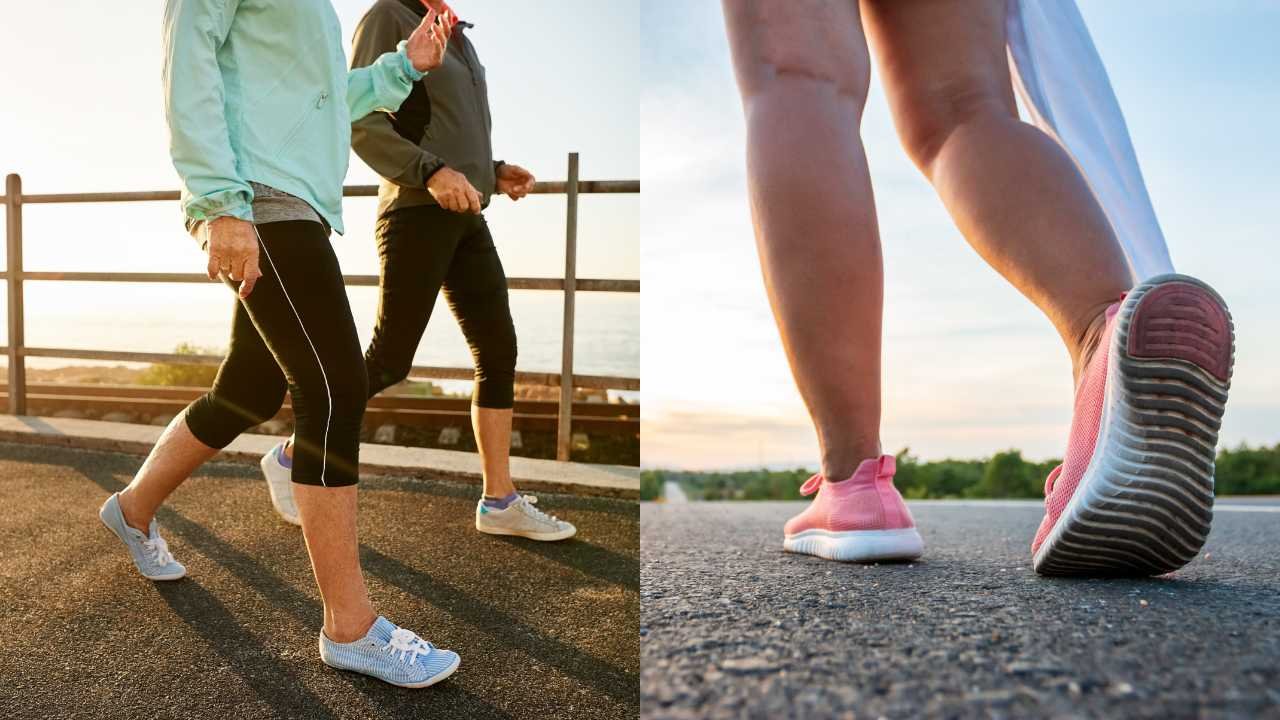
Starting a brisk walk right after a meal can do wonders for your digestion and help torch some extra calories. Walking gently for about 10 to 30 minutes post-meal encourages your body to process food more efficiently while boosting fat burning — all without overexerting yourself. The key is to keep your pace moderate and avoid intense activity that might upset your stomach. Incorporating this simple habit into your routine can lead to better digestion, reduced bloating, and gradual weight loss. It’s an easy, enjoyable way to support your health without complicated workouts or special equipment. So, if you’re looking for a natural way to feel lighter and improve your metabolism, walking after meals might just be your new best friend.

How to walk after meals to improve digestion and burn fat
Understanding the benefits of walking after a meal
Walking after eating offers many health advantages. It helps **enhance digestion** and **speed up the fat-burning process**. When you walk, your body uses energy, which can help reduce overall body fat. Additionally, it promotes **better blood circulation** and **reduces bloating** after a meal.
How walking aids digestion
Walking stimulates the muscles in your gastrointestinal tract. This encourages food to move smoothly through your digestive system, preventing issues like **indigestion** and **constipation**. A gentle walk can also **reduce stomach discomfort** and **ease bloating** caused by heavy meals.
The science behind walking and digestion
When you walk, your **stomach muscles** gently contract, assisting in **movement of food** through your intestines. This process, called **peristalsis**, enhances digestion. Research shows that walking for **about 15 to 30 minutes** can significantly **improve digestion** compared to remaining sedentary.
How walking helps burn fat
Walking after meals boosts **calorie expenditure**. It encourages your body to **use stored fat** for energy, especially if done consistently. This activity can **accelerate weight loss** and **maintain a healthy body weight** over time.
Optimal duration and intensity
For effective fat burning, aim for **15 to 30 minutes** of brisk walking. The intensity should be enough to **raise your heart rate slightly** but still allow conversation. Incorporate a pace that feels **comfortable yet active** to maximize fat burning benefits.
Best practices for walking after meals
Choosing the right time and method is key. Walk **within 30 minutes** after eating for the best results. Opt for a **flat, comfortable route** that allows an easy pace. Wearing **comfortable shoes** and maintaining good posture will make your walk more enjoyable and effective.
Ideal time to walk after meals
Waiting **about 10 to 15 minutes** after finishing your meal is ideal. This allows your body to start digesting but prevents discomfort from walking too soon. If you experience **heartburn** or **discomfort**, wait a bit longer before heading out.
Tips for safe and effective walking
Start with **short walks** if you’re new to this routine, gradually increasing the duration. Stay hydrated and avoid walking immediately after a heavy or fatty meal. Listen to your body and adjust your pace accordingly to avoid fatigue or discomfort.
Incorporating walking into daily routines
Make walking part of your daily schedule by setting a specific time each day. Consider walking during **lunch breaks** or **evening hours**. Using a **pedometer** or **fitness tracker** can motivate you and help monitor your progress.
Additional tips for better digestion and fat burning
Combine walking with **healthy eating habits** such as consuming **fiber-rich foods** and **limiting processed sugars**. Avoid large, heavy meals before walking to prevent feeling sluggish or uncomfortable. Remember, consistency is key for long-term benefits.
Walking alongside other healthy habits
Pair walking after meals with other physical activities like **strength training** or **stretching**. Maintain a **balanced diet** that supports your goals. Keeping a **regular routine** enhances digestion and accelerates fat loss.
Related topics to enhance your walking routine
- Choosing the right footwear for walking
- Best foods to eat before and after walking
- Simple stretching exercises to do before walking
- Benefits of walking for mental health
- How to track your walking progress effectively
Using technology to optimize your walks
Apps and fitness trackers can help you **set goals** and **monitor your activity**. Some trackers provide **real-time feedback** on your walking speed and heart rate. Staying motivated is easier with visual progress and reminders.
Common mistakes to avoid during post-meal walks
Avoid walking **immediately after heavy meals**, as this can cause **discomfort**. Don’t walk at a pace that makes you **breathless** or overly fatigued. Also, stay away from **rough terrains** if you’re not used to walking regularly to prevent injuries.
Signs you should stop or slow down
If you feel **dizziness**, **nausea**, or **sharp stomach pain**, it’s best to **pause and rest**. Find a comfortable spot and hydrate if needed. Listening to your body ensures a safe and beneficial walking experience.
Implementing a daily habit of walking after meals can **improve digestion**, **aid in weight management**, and **enhance overall health**. Keep your walks gentle yet consistent, and combine them with healthy eating and lifestyle choices for the best results. Enjoying your walks can turn a simple routine into a sustainable part of your wellness journey.
Indoor Walk For Digestion – Post Meal Movement
Frequently Asked Questions
What is the best time to walk after eating to support digestion and fat burning?
It is recommended to walk within 15 to 30 minutes after finishing a meal. Keeping the walk moderate in intensity helps promote better digestion and boosts calorie burn without causing discomfort or fatigue. Avoid vigorous activity immediately after eating, as it can hinder digestion.
How should I pace my walk after meals for optimal benefits?
Opt for a gentle to brisk pace that allows you to maintain a conversation comfortably. Walking too fast may lead to discomfort or indigestion, while a leisurely pace might not provide enough stimulation for fat burning. Find a pace that is steady and sustainable for 15 to 20 minutes.
Are there specific routes or terrains that enhance digestion and burning fat during post-meal walks?
Walking on flat, even surfaces like sidewalks or park paths works well for post-meal walks. If possible, choose routes with greenery and fresh air, as they can further improve digestion and elevate your mood. Avoid steep hills or uneven terrain that might strain your body immediately after eating.
Does walking right after meals affect individuals with specific health conditions?
People with gastrointestinal issues or certain health conditions should consult their doctor before engaging in post-meal walks. Gentle walking can aid digestion for many, but in some cases, it might cause discomfort or complications. Listening to your body and seeking professional advice ensures safe and effective activity.
What are some tips to make post-meal walks more effective for fat loss?
Maintain a consistent routine by walking daily after meals, and keep your pace steady. Focus on maintaining good posture and taking deep, relaxed breaths to enhance digestion. Incorporating brisk walks for 15-20 minutes can maximize calorie expenditure without overexerting yourself.
Final Thoughts
Walking after meals aids digestion and helps burn fat effectively. Keep your walk gentle and relaxed, avoiding strenuous pace. A 10 to 15-minute stroll encourages better digestion and supports weight management. Consistency is key—make it a daily habit for optimal benefits. Incorporating this simple activity into your routine enhances overall health without extra effort.
As an Amazon Associate, We earn from qualifying purchases. When you purchase a product through Amazon links on pulsefitguide.com, we may earn a small commission at no extra cost to you. This helps support the site and keep our content free.