

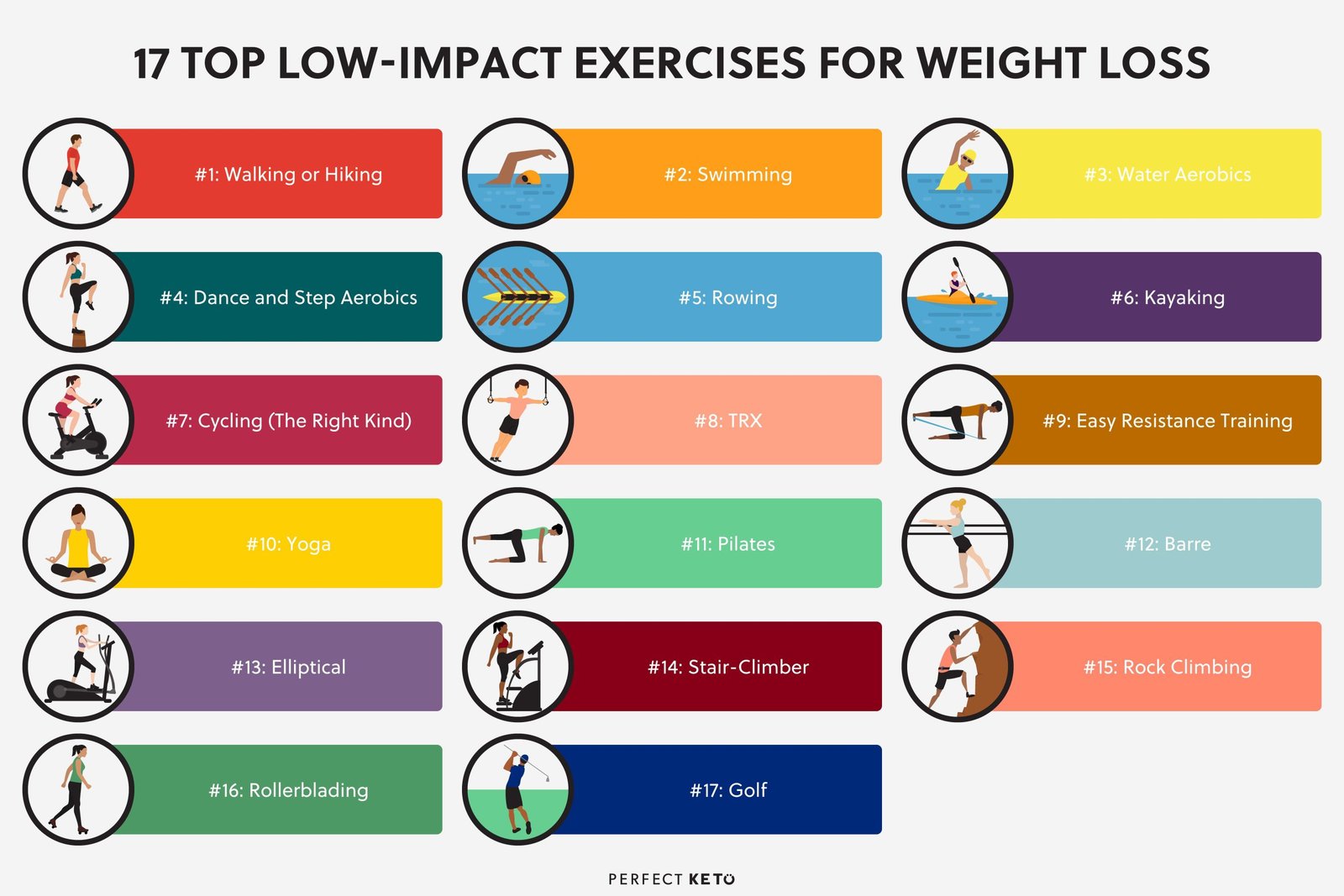
Walking is one of the easiest and most effective ways to incorporate low-impact cardio into your weight loss journey. It’s accessible, requires no special equipment, and can be tailored to fit your fitness level. The key is to walk consistently, increase your pace gradually, and incorporate variety like inclines or intervals to boost calorie burn.
In essence, using walking as a weight loss tool involves maintaining a steady, brisk pace and adding challenges over time to maximize fat burning while minimizing joint stress. By making walking a daily habit and blending in some interval training, you can enjoy a sustainable and enjoyable way to shed pounds without putting too much strain on your body.
Getting started with walking as a low-impact cardio option is simple and sustainable. Walking helps you burn calories, improve cardiovascular health, and avoid injuries often associated with high-impact workouts. To optimize weight loss, aim for at least 30 minutes most days, vary your route and pace, and stay consistent. Walking can be integrated into your daily routine easily—whether during your lunch break, after dinner, or early in the morning—making it a practical, enjoyable, and efficient way to reach your fitness goals.

How to Use Walking as Low Impact Cardio for Weight Loss
Walking is a simple yet effective way to incorporate low impact cardio into your routine to aid weight loss. It’s accessible for most people, requires no special equipment, and can be done almost anywhere. With consistent effort, walking helps burn calories, boost metabolism, and improve overall health without putting stress on joints.
Understanding the Benefits of Walking for Weight Loss
Walking helps create a calorie deficit, which is essential for losing weight. It is a gentle activity that minimizes strain on muscles and joints, making it suitable for beginners or those with injuries. Regular walking can also enhance mood, increase energy levels, and improve cardiovascular health.
- Burns Calories: An average person burns approximately 150-300 calories per 30-minute walk depending on speed and body weight.
- Boosts Metabolism: Even after walking, your body continues to burn calories at a higher rate.
- Supports Fat Loss: Consistent walking helps reduce body fat over time when paired with a healthy diet.
Setting Realistic Goals for Walking and Weight Loss
Start with small, achievable targets to stay motivated and avoid burnout. For example, aim for a 15-minute walk daily and gradually increase duration and intensity. Use a pedometer or fitness tracker to monitor your steps and set weekly step goals.
- Initial Goals: Walk at least 10-15 minutes daily, five days a week.
- Progression: Increase your walk to 30-45 minutes as stamina improves.
- Frequency: Consistency matters more than intensity for weight loss through walking.
Choosing the Right Walking Pace and Duration
For effective low impact cardio, maintain a brisk pace that elevates your heart rate but still allows you to speak comfortably. This is often called the “talk test”—if you can talk but not sing, you’re in the right zone.
Beginners should aim for a pace of about 3 to 4 miles per hour. As fitness improves, incorporating intervals of faster walking can further boost calorie burn.
Interval Walking for Greater Results
Alternating between periods of brisk walking and slower pace helps increase intensity without high impact. For example, walk briskly for 2 minutes, then slow down for 1 minute, repeating several times.
- Example Routine: 5-minute warm-up, 20 minutes interval walking, 5-minute cool-down.
- Benefits: Burns more calories and enhances cardiovascular fitness.
Incorporating Inclines and Uneven Surfaces
Adding hills or inclined surfaces to your walking route increases intensity and calorie expenditure. Even mild inclines help activate different muscle groups, providing additional toning benefits.
- Hills or Inclines: Find routes with gentle slopes or use a treadmill with incline options.
- Uneven Terrain: Trails, park paths, or gravel roads challenge stability and engage core muscles.
Using Proper Technique for Maximal Benefits
Good posture and technique ensure safety and efficiency. Keep your head up, shoulders relaxed, and swing your arms naturally. Engage your core muscles and take short, quick strides to improve gait and reduce fatigue.
Tips for Better Walking Form
- Maintain a slight forward lean from your hips.
- Keep your feet pointing forward and land heel first.
- Push off with your toes to propel forward.
Enhancing Your Walking Routine with Accessories and Tech
Using helpful tools can motivate you and track progress effectively. Consider wearing comfortable walking shoes, a fitness tracker, or using smartphone apps that calculate steps and calories burned.
- Footwear: Invest in supportive walking shoes that absorb shock and fit well.
- Music or Podcasts: Make walks more enjoyable with your favorite tunes or engaging podcasts.
- Fitness Devices: Use pedometers or smartwatch apps to set goals and monitor stats.
Combining Walking with Other Low Impact Activities
Cross-training keeps your routine interesting and prevents plateaus. Incorporate activities such as swimming, cycling, or yoga on alternate days.
- Swimming: Offers a full-body workout with minimal joint stress.
- Cycling: Provides cardiovascular benefits and leg toning.
- Yoga: Improves flexibility and reduces stress, complementing walking.
Staying Motivated and Overcoming Challenges
Tracking your progress and setting mini-goals can help you stay committed. Find walking buddies or join local groups to add social support.
- Schedule Walks: Make walking part of your daily routine, just like eating or sleeping.
- Reward Yourself: Celebrate milestones with small treats or new gear.
- Address Barriers: Prepare for bad weather by walking indoors or on a treadmill.
Adjusting Your Routine for Continued Progress
As you get fitter, gradually increase your walking intensity, duration, or add resistance (like light hand weights). Keep challenging your body to avoid plateaus.
Regularly review your goals and progress, making changes to stay engaged and see consistent weight loss results.
Walking Exercise for Weight Loss – 15 Minute Walk at Home Low Impact!
Frequently Asked Questions
What is the best way to incorporate walking into a weekly exercise routine for weight loss?
To effectively include walking in your weekly schedule, aim for at least 150 minutes of moderate-intensity walking, such as brisk walking, spread throughout the week. Break this into manageable sessions, like 30 minutes a day, five days a week. Consistency is key. You can also vary your pace or add short intervals of faster walking to increase calorie burn. Incorporate walking into daily activities, like commuting or errands, to make it a natural part of your routine.
How can I increase the intensity of my walking workouts without adding high-impact moves?
You can boost the intensity by walking faster or incorporating incline walking, either on hills or a treadmill set to an incline. Swing your arms more vigorously to engage your upper body and increase effort. Wearing a weighted vest or carrying light hand weights can also help add resistance. Shortening your breaks and maintaining a steady pace throughout your walk will elevate your heart rate further, promoting more calorie expenditure.
What are some practical tips for maintaining motivation to walk regularly for weight loss?
Set clear, achievable goals and track your progress to stay motivated. Listening to music or podcasts while walking can make the activity more enjoyable. Vary your routes and explore new areas to keep your walks interesting. Find a walking partner or join a walking group to add social support. Remember to reward yourself for milestones and focus on how walking improves your overall well-being, not just weight loss.
How can I ensure proper footwear and technique to prevent injuries during walking?
Choose supportive, well-cushioned shoes designed for walking to minimize impact on your joints. Replace worn-out shoes regularly to maintain proper support. Walk with a natural stride, keeping your head up, back straight, and shoulders relaxed. Land softly on your heels and roll through to your toes. Maintain good posture and avoid overstriding to prevent strain and injury. If needed, consult with a specialist for personalized advice on footwear and technique.
Should I combine walking with other activities to enhance weight loss results?
Yes, combining walking with strength training or flexibility exercises can improve overall fitness and boost weight loss. Strengthening muscles helps increase resting metabolic rate, leading to more calories burned even at rest. Include activities like bodyweight exercises, resistance training, or yoga on other days. A balanced approach provides comprehensive health benefits and can make your walking routine more effective in achieving your weight loss goals.
Final Thoughts
How to use walking as low impact cardio for weight loss involves incorporating consistent, brisk walks into your routine. Aim for at least 30 minutes daily, adjusting pace to increase intensity. Use proper footwear and maintain good posture to maximize benefits and prevent injuries. Staying dedicated helps you burn calories effectively while protecting your joints. Ultimately, this simple activity offers a sustainable way to support weight loss and improve overall health.
As an Amazon Associate, We earn from qualifying purchases. When you purchase a product through Amazon links on pulsefitguide.com, we may earn a small commission at no extra cost to you. This helps support the site and keep our content free.