

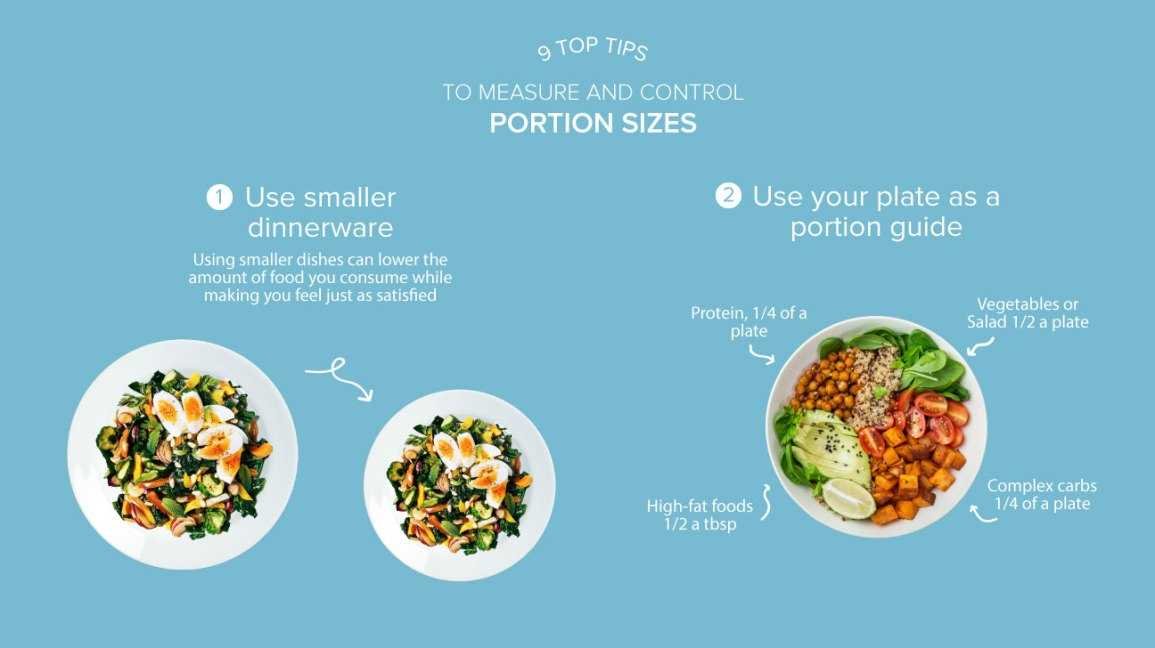
Using smaller plates is a simple yet effective trick to help control your portion sizes and prevent overeating. By choosing plates that are slightly less spacious, your brain perceives your meal as more substantial, making you feel satisfied with less food. This visual cue helps in reducing calorie intake without feeling deprived. Incorporating smaller plates into your dining routine can gradually shift your eating habits towards healthier portions and support your weight management goals. It’s an easy, accessible strategy that doesn’t require complex changes or extra effort—just a swap of your dinnerware can make a significant difference.
To use smaller plates effectively, start by replacing your regular dinnerware with smaller versions. Fill them neatly without piling food high, and focus on mindful eating by savoring each bite. Over time, this habit can reprogram your perception of portion sizes, helping you naturally eat less while still feeling full and satisfied. Small plate use is a simple, practical step toward healthier eating habits that can lead to long-term benefits.

How to use smaller plates to control portion size
Understanding the power of plate size
Using smaller plates can make a big difference in how much you eat. When your plate is less full, your brain perceives it as a full meal, even if the portion is smaller. This visual cue helps you feel satisfied without overeating. Studies show that people tend to serve and eat more food when using larger plates, so switching to smaller ones can naturally reduce your portions.
Choosing the right size plates
Select plates that are around 8 to 9 inches in diameter for main meals. These size plates help you control portions without making your plate look sparse. Avoid going below 7 inches, which might make it difficult to stack a balanced meal. Remember that snack plates or side dish plates can be even smaller, around 6 inches, to help with portioning snacks or small servings.
Adjusting your serving habits
Start by serving smaller amounts of food on your smaller plates. Use a measuring cup or a scale to learn proper portion sizes for your favorite meals. Over time, your eyes will get used to seeing less food on the plate, and you’ll naturally begin to eat smaller portions without measuring every time. Practice mindful serving, focusing on what you need rather than piling food onto the plate.
Visual tricks to enhance portion control
Create visual boundaries by dividing your plate into sections. Use the plate’s natural sections or draw lines on it with tape. Fill half the plate with vegetables, one quarter with lean protein, and the remaining quarter with carbs. This balanced approach ensures proper portion sizes and helps prevent overeating. Using smaller plates makes it easier to create these visually satisfying portions.
Tips for meal presentation on smaller plates
Arrange your food neatly to make your meal look appealing even if the portions are smaller. Add vibrant vegetables, colorful fruits, or herbs to make dishes more attractive. When your plate looks appealing, your brain associates this with a satisfying meal, reducing the desire to fill the plate with unnecessary food. Aim for variety and colorful presentation to increase enjoyment and satisfaction.
Complementing smaller plates with mindful eating
Eating slowly and paying attention to how your body feels can boost the effectiveness of using smaller plates. Take small bites and chew thoroughly. Stop eating when you feel full rather than when the plate is empty. Combining these habits with smaller plates helps prevent overeating and encourages healthier eating patterns.
Practical tips for everyday use
Keep a set of smaller plates available in your kitchen for regular meals. When serving, scoop food onto your plate rather than passing larger portions. Clear your table after each meal, preventing you from instinctively grabbing seconds. Use your smaller plates consistently so that your brain adapts to the new portion sizes as normal.
Impact of smaller plates on weight management
Consistently using smaller plates can lead to a gradual reduction in calorie intake. Over time, this can contribute to weight loss or weight maintenance without feeling deprived. This simple change can be a sustainable part of a healthy lifestyle, especially when combined with balanced eating and physical activity.
Additional strategies to support portion control
Pair smaller plates with other habits such as meal planning and nutritious food choices. Keep healthy snacks handy and serve them in smaller bowls or plates. Avoid eating directly from large packages or containers, which can lead to overeating. These habits strengthen the effectiveness of using smaller plates for portion control.
Addressing common challenges
Sometimes, smaller plates may make you feel like you are not getting enough food. To combat this, include filling low-calorie foods like vegetables and high-fiber grains. Ensure your meals are balanced and satisfying. Remember, the goal is to enjoy nutritious food in appropriate amounts, not to feel deprived.
Monitoring progress and making adjustments
Track your meals and how you feel after eating from smaller plates. If you find yourself still hungry or unsatisfied, add more vegetables or lean protein to your dishes. Adjust your plate content gradually to find the right balance. Consistent evaluation helps you maintain healthy habits without frustration.
Combining smaller plates with other weight loss methods
Using smaller plates works well with other strategies like calorie counting, portioning snacks, and increasing physical activity. Together, these practices create a comprehensive approach to healthier living. Small changes, like changing your plate size, add up over time to produce meaningful results.
Incorporating the approach into family meals
Encourage family members to use smaller plates by setting a good example. Make meal times more appealing with colorful, well-presented food. This approach teaches children healthy habits early and helps promote portion control for everyone in the household.
Handling restaurant and takeout meals
When eating out, ask for a takeout box and transfer half of your meal to it before you begin eating. Use smaller plates at home for reheated leftovers to control portion sizes. Learning to manage restaurant portions is easier when you visually break down larger servings into manageable sizes.
The science behind smaller plates and satiety
Research indicates that plate size influences how much we serve ourselves and eat. Smaller plates reduce portion sizes while maintaining the perception of a complete meal. This psychological effect helps control calorie intake naturally, aiding weight management efforts.
Summary
Switching to smaller plates is a simple yet effective method for managing portion sizes and controlling calorie intake. It helps recalibrate your perception of what a normal portion looks like and fosters healthier eating patterns. Incorporate this change along with mindful habits for lasting benefits.
Remember, this small shift in your dining routine can significantly impact your overall health. By making intentional choices about plate size, you set the foundation for healthier habits that support your wellness goals.
Healthy Portion Size Guide | Using Hands
Frequently Asked Questions
How can using smaller plates influence my eating habits?
Using smaller plates naturally encourages portion control by making servings appear larger relative to the plate size. This visual effect helps you feel satisfied with less food, reducing the likelihood of overeating. Over time, this adjustment can lead to healthier eating patterns and better weight management.
What are some effective ways to transition to smaller plates?
Start by gradually replacing your current plates with smaller ones. Serve your usual portions on the new plates to get accustomed to smaller servings. Clear your larger plates from the table to minimize temptation, and focus on mindful eating to recognize when you’re full, reinforcing your new habits.
Are there specific types of smaller plates that work best for portion control?
Opt for plates with a simple design and clear boundaries to help you gauge appropriate serving sizes. Plates with slightly raised edges can prevent food from spilling over and encourage moderation. Avoid overly decorative plates, which might distract or lead to larger servings.
How does plate size impact the mind’s perception of a meal?
The size of the plate influences how you perceive the amount of food served. Smaller plates make portions look more substantial, which can satisfy your visual appetite and reduce the desire for seconds. This perception encourages you to eat just enough, supporting better portion management.
Can using smaller plates help with long-term weight management?
Yes, consistently using smaller plates helps create a sustainable eating pattern by naturally controlling portion sizes without feeling deprived. Over time, this habit can support gradual weight loss or maintenance, especially when combined with mindful eating practices.
Final Thoughts
Using smaller plates to control portion size helps manage food intake naturally. When portions look sizable on a smaller plate, it feels more satisfying without overeating.
Choose plates that are just slightly smaller than your usual ones to create visual cues for appropriate serving sizes.
Be intentional with your servings and fill your plate with a variety of healthy foods.
How to use smaller plates to control portion size remains an effective and simple strategy for maintaining a balanced diet.
As an Amazon Associate, We earn from qualifying purchases. When you purchase a product through Amazon links on pulsefitguide.com, we may earn a small commission at no extra cost to you. This helps support the site and keep our content free.