

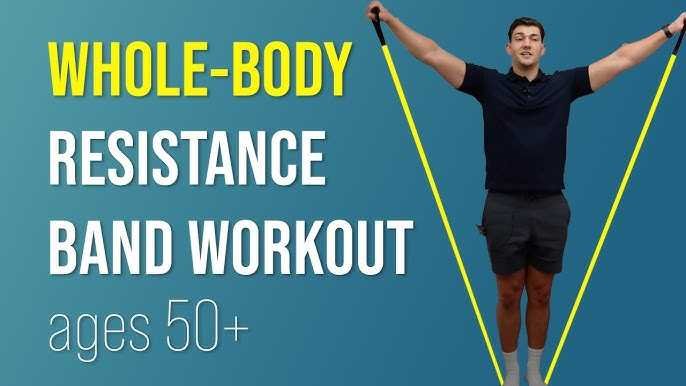
To effectively use resistance bands for full-body workouts after 50, incorporate a variety of exercises targeting major muscle groups, perform controlled movements, and gradually increase resistance. Ensure proper form and consistency to enhance strength, flexibility, and overall vitality.
Resistance bands are a fantastic tool for staying fit after 50 because they are gentle on joints yet versatile enough to target all muscle groups. By integrating simple exercises like squats, rows, and shoulder presses, you can build strength and improve mobility without needing bulky equipment. The key is to start with lighter resistance, focus on controlled movements, and gradually challenge yourself as you progress. This approach helps prevent injury and makes workouts sustainable. Whether at home or on the go, resistance bands make full-body fitness accessible and effective, supporting your health and independence for years to come.

How to use resistance bands for full body workouts after 50
Using resistance bands is a great way for people over 50 to stay active and strengthen their muscles safely. These versatile tools help improve flexibility, balance, and strength without putting too much strain on the joints. In this section, we will explore how resistance bands can be incorporated into a full body workout routine for those over 50.
Benefits of resistance bands for adults over 50
Resistance bands are lightweight, portable, and easy to use, making them ideal for seniors. They help increase muscle mass, which naturally declines with age, and improve bone density. Additionally, resistance bands support joint health and reduce the risk of falls by enhancing stability and coordination.
Choosing the right resistance bands for your needs
Resistance bands come in different strengths, from light to extra-strong. For beginners or those with joint issues, lighter bands are recommended. If you’re more experienced or need a higher challenge, thicker bands provide more resistance. It’s wise to start with a lighter band and gradually increase the resistance as your strength improves.
Types of resistance bands
- Loop bands: Continuous bands that form a circle, ideal for stretching and lower body exercises.
- Tube bands with handles: Longer bands with handles for a variety of upper and lower body exercises.
- Therapy bands: Flat, non-loop bands perfect for rehabilitation and gentle strengthening exercises.
How to incorporate resistance bands into a full body workout
Creating a balanced routine involves targeting different muscle groups, incorporating both pushing and pulling motions. Proper form is crucial to prevent injuries and maximize effectiveness. Start slow, and increase resistance or repetitions gradually.
Warm-up exercises with resistance bands
Begin your workout with light resistance band movements to get your muscles ready. Examples include seated arm stretches, leg swings with bands, and gentle torso twists. Warm-ups help prevent strains and prepare your body for exercise.
Top resistance band exercises for a full body workout after 50
Upper Body Exercises
Strengthening the upper body improves daily activities like lifting and reaching. Incorporate these exercises into your routine:
- Seated Row: Sit on a chair, loop the band around your feet, and pull the handles towards your torso. Focus on squeezing your shoulder blades together.
- Chest Press: Tie the band behind your back, hold the handles at chest level, and push forward, extending your arms fully.
- Overhead Shoulder Press: Stand on the middle of the band, grip handles at shoulder height, and press upward, keeping your core engaged.
Lower Body Exercises
Building strength in the legs and hips supports mobility and balance. Try these moves:
- Squats with Resistance Band: Loop the band around your thighs just above your knees, stand with feet shoulder-width apart, and squat down, keeping knees aligned with toes.
- Leg Abductions: Attach the band to your ankle and a sturdy object, then lift your leg sideways to work the hip abductors.
- Glute Bridges: Lie on your back with the band around your hips, feet flat on the floor, and lift your hips towards the ceiling, squeezing your glutes.
Core and Balance Exercises
Engaging the core helps improve posture and reduces fall risk. Consider these exercises:
- Seated Rotations: Sit with resistance band held in both hands, twist your torso to each side, engaging your obliques.
- Standing Side Bends: Hold the band overhead with both hands, and bend sideways, feeling the stretch along your torso.
- Standing Balance with Band: Attach the band to a sturdy object, hold the handle, and perform controlled leg lifts or balance challenging movements.
Safety tips for using resistance bands after 50
Always focus on proper form and listen to your body during workouts. Avoid stretching the bands beyond their capacity to prevent snapping. If you experience pain or discomfort, stop immediately and consult a healthcare professional.
Best practices for safety
- Warm up before starting exercises to increase blood flow.
- Use a mirror to monitor your form and prevent improper movements.
- Perform slow and controlled motions to maximize muscle engagement and avoid injury.
- Maintain good posture throughout each exercise.
- End your workout with gentle stretching to improve flexibility and reduce soreness.
Sample resistance band workout routines for seniors
A typical full-body workout should last around 30 to 45 minutes, including warm-up, exercise, and cool-down. Here’s an example routine:
- Warm-up: 5 minutes of gentle arm and leg stretches with resistance bands.
- Upper Body: 10 minutes of seated rows, chest presses, and shoulder presses.
- Lower Body: 10 minutes of squats, leg abductions, and glute bridges.
- Core and Balance: 5 minutes of seated rotations and balance exercises.
- Cool-down: 5 minutes of gentle stretching and deep breathing.
Adapting resistance band workouts over time
As strength improves, increase the resistance level of your bands or add more repetitions. You can also slow down movements for more control or incorporate additional exercises. Varying routines helps prevent plateaus and keeps your motivation high.
Tracking progress and setting goals
- Note the number of repetitions and resistance level used each session.
- Set achievable goals such as increasing repetitions or resistance every few weeks.
- Celebrate milestones to stay motivated and committed to your health journey.
Related topics for a well-rounded fitness plan
- Benefits of low-impact aerobic exercises for seniors
- Importance of flexibility training and stretching
- Nutrition tips to support strength training over 50
- Tips for staying motivated and consistent with your workout routine
Integrating resistance bands into your full body workouts after 50 provides a safe, effective way to maintain strength, balance, and flexibility. Remember to start with manageable resistance levels, focus on proper form, and gradually increase intensity. Consistency and patience are key to enjoying the long-term health benefits these exercises can offer for your body and mind.
Best Resistance Band Exercises for Strength (for 50+)
Frequently Asked Questions
What are some safe exercises to avoid injury when using resistance bands after 50?
Focus on controlled movements and start with lighter resistance bands to reduce strain. Ensure you warm up before each session and perform exercises slowly, maintaining proper form. Listening to your body and avoiding overstretching or pushing too hard helps prevent injuries. Incorporate rest days and consult with a healthcare provider if you experience discomfort or pain during workouts.
How can I modify resistance band exercises for limited joint mobility?
Adapt exercises by reducing the range of motion to match your comfort level. Use bands with lighter resistance and perform movements slowly to avoid joint strain. Incorporate seated or supported positions to improve stability and reduce stress on the joints. Always prioritize proper alignment and stop any activity that causes pain.
What are some effective full-body resistance band routines for beginners over 50?
Start with basic exercises such as seated rows, chest presses, leg presses, and shoulder raises. Use moderate resistance and perform 1-2 sets of 8-12 repetitions for each exercise. Focus on maintaining proper posture and controlled breathing. As you gain strength, gradually increase the resistance or number of sets to continue progressing.
How often should I perform resistance band workouts to see benefits after 50?
Aim for two to three sessions each week, allowing at least one day of rest between workouts. Consistency is key to improving strength and flexibility. Combining resistance training with light cardio and flexibility exercises can enhance overall fitness and support long-term health goals.
What precautions should I take to ensure proper posture during resistance band exercises?
Maintain a neutral spine, keep your shoulders back, and engage your core during each movement. Stand with a stable posture and avoid locking your joints. Performing movements in front of a mirror can help you monitor your form. If unsure, consider consulting a fitness professional to guide you through proper techniques.
Final Thoughts
How to use resistance bands for full body workouts after 50 emphasizes simple, effective movements. Focus on proper posture and controlled motions to prevent injury. Incorporate exercises like squats, rows, and shoulder presses to engage multiple muscle groups.
Adjust the resistance level to suit your strength and gradually increase intensity. Consistency is key to gaining benefits without overexertion.
Following these guidelines makes your full body workout routine safe and manageable after 50, ensuring you stay active and healthy.
As an Amazon Associate, We earn from qualifying purchases. When you purchase a product through Amazon links on pulsefitguide.com, we may earn a small commission at no extra cost to you. This helps support the site and keep our content free.