

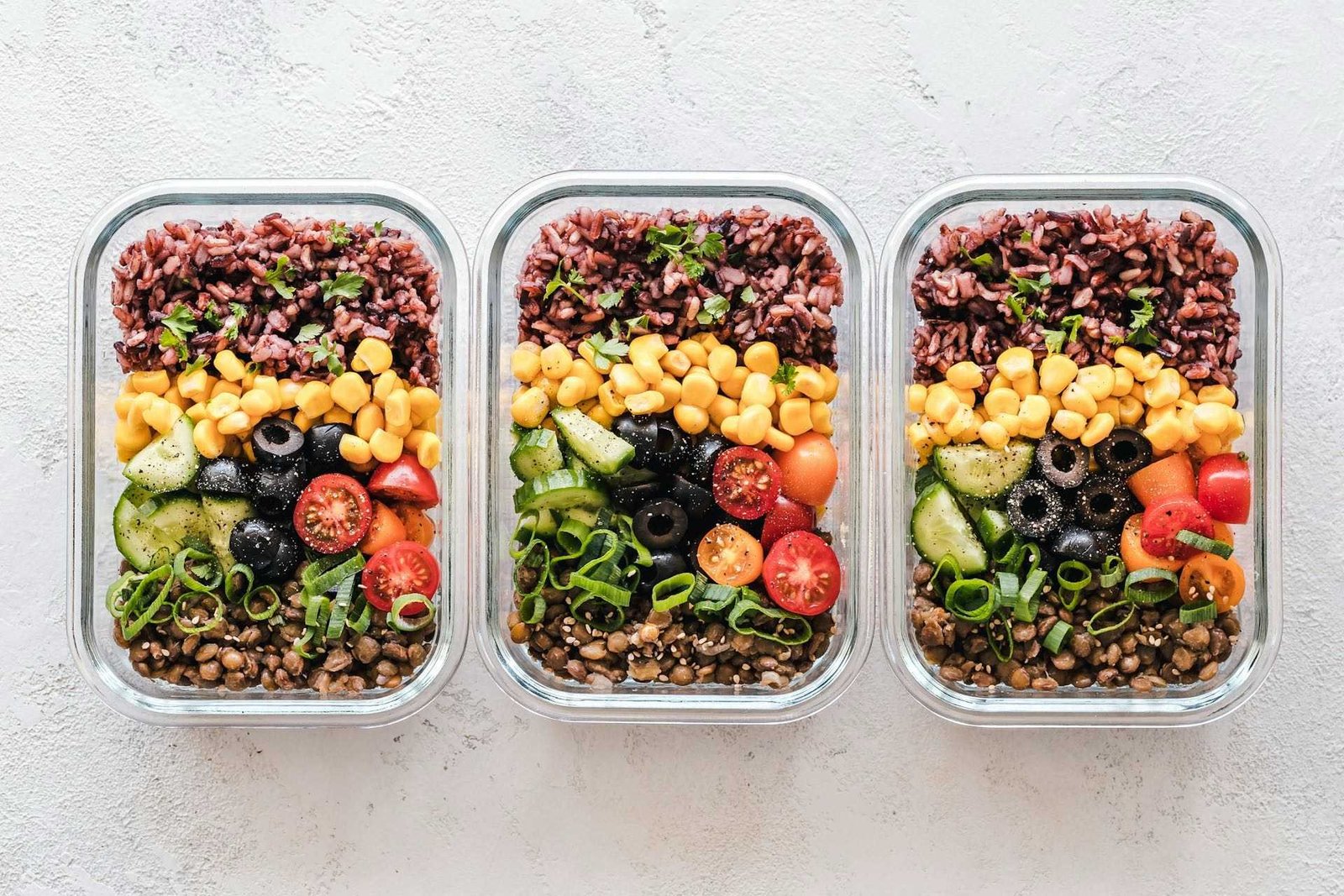
Mastering portion control is key to achieving and maintaining long-term health and weight goals. The secret lies in understanding your body’s true needs and making mindful choices that promote balance without feeling deprived. Start by learning how to measure servings accurately and listen to your hunger cues—eating until you’re satisfied, not full. Incorporate these habits into your daily routine, and you’ll find it easier to sustain your progress over time.
Effective portion control involves selecting appropriate serving sizes, being mindful during meals, and creating consistent habits that promote moderation. By focusing on quality over quantity and paying attention to your body’s signals, you can enjoy your favorite foods while staying on track for long-term success.
When it comes to using portion control for lasting results, the trick is to develop sustainable habits that fit seamlessly into your lifestyle. First, learn to recognize proper serving sizes by using measuring tools or visual cues. Next, pay attention to your hunger and fullness levels instead of eating out of habit or emotional triggers. Incorporate balanced, nutrient-dense foods into your meals to satisfy your appetite and support your health goals. Over time, these habits become second nature, helping you enjoy your journey to better health without feeling restricted or deprived.

How to Use Portion Control for Long-Term Success
Understanding the Importance of Portion Control
Portion control helps manage how much food you eat in each meal or snack. It plays a key role in maintaining a healthy weight and preventing overeating. Consistently practicing portion control can support your long-term health goals while still allowing you to enjoy your favorite foods.
Benefits of Portion Control
- Helps prevent overeating and reduces calorie intake
- Allows for flexibility in your diet without feeling deprived
- Supports sustainable weight management over time
- Improves awareness of what and how much you eat
- Encourages healthier food choices by focusing on quality and quantity
How to Measure Your Portions Accurately
Accurate measurement is essential to practicing effective portion control. Use these tools and methods to ensure you’re eating the right amounts:
- Measuring cups and spoons for liquids and small items
- Kitchen scales for precise measurement of solid foods
- Visual cues like the size of your palm or a deck of cards for portions of meat or protein
Understanding what a standard portion looks like can prevent accidental overeating and help you stay on track.
Understanding Serving Sizes and Calories
Knowing the typical serving size of common foods allows you to better estimate how much you’re consuming.
| Food Item | Standard Serving Size | Calories (Approximate) |
|---|---|---|
| Cooked pasta | 1 cup | 200 |
| Chicken breast | 3 ounces (about the size of a deck of cards) | 140 |
| Fruit (apple) | 1 medium apple | 95 |
This table helps you keep track of calories based on typical serving sizes, aiding in better portion management.
Strategies for Practicing Portion Control at Home
Adapting your eating habits at home can make a big difference in your long-term success.
- Pre-portion snacks and meals into containers to avoid second servings.
- Use smaller plates and bowls to make portions appear larger.
- Eat slowly and savor each bite to give your brain time to register fullness.
- Avoid eating straight from packages, which can lead to overeating.
These habits make it easier to stick to recommended serving sizes over time.
Tips for Eating Out and Portion Control
Restaurant meals often come with larger portions, which can challenge your efforts.
- Share a meal with a friend or family member to reduce portion size.
- Order an appetizer or salad as a main course instead of a large entrée.
- Ask for a half portion or to have your meal boxed up for leftovers.
- Focus on the quality of the food rather than the quantity.
Being mindful of restaurant portions can help you stay aligned with your goals.
Using Visual Cues and Plate Method
Visual cues are effective tools for understanding appropriate portions without constant measuring.
- Fill half of your plate with vegetables or salad.
- Use the “plate method” by dividing your plate into three sections: vegetables, proteins, and carbs.
- Everything in moderation: aim for a balanced plate to prevent excess intake of any one group.
The plate method simplifies portion control and encourages nutritious choices.
Incorporating Healthy Snacks and Portion Control
Snacks can be part of a healthy diet when portions are appropriate.
- Prepare snack-sized portions of nuts, fruits, or yogurt in advance.
- Choose nutrient-dense snacks that satisfy hunger and provide essential nutrients.
- Limit processed snacks high in sugar, salt, and unhealthy fats.
Smart snack portions keep your energy stable and avoid overeating during main meals.
Handling Cravings and Emotional Eating
Cravings can challenge your portion control efforts, especially if driven by emotions.
- Identify triggers that lead to emotional eating and develop alternative coping strategies.
- Allow yourself small indulgences to prevent feelings of deprivation.
- Practice mindful eating by paying attention to hunger cues and emotional states.
Balancing cravings with mindful choices supports sustained healthy habits.
Creating a Supportive Environment
Your environment influences your ability to control portions effectively.
- Keep tempting, high-calorie foods out of sight or out of the house.
- Stock up on healthy foods to make nutritious choices easier.
- Share your goals with friends or family to get encouragement and accountability.
A supportive environment makes sticking to portion control easier daily.
Developing Long-Term Habits
Consistency is key to lasting success in portion control.
- Gradually adjust your serving sizes to avoid feeling deprived.
- Track your eating habits with journals or apps to maintain awareness.
- Set realistic goals and celebrate small achievements.
- Refine your strategies based on what works best for your lifestyle.
Building these habits over time helps make portion control an integral part of your life.
Monitoring Progress and Making Adjustments
Regular check-ins can keep you motivated and on track.
- Weigh yourself weekly or monthly to observe trends.
- Reflect on your eating habits and adjust portions as needed.
- Seek feedback from a dietitian or health professional for personalized advice.
Being flexible and adaptable ensures your approach remains effective and sustainable.
Addressing Common Challenges in Portion Control
Challenges like social gatherings or busy schedules can make portion control difficult.
- Plan ahead by preparing healthy meals and snacks.
- Practice mindful eating even when dining with others.
- Stay committed to your goals despite setbacks or temptations.
Facing obstacles with a positive mindset helps maintain your progress.
Implementing portion control as part of your daily routine can lead to steady, long-term success. By understanding serving sizes, practicing mindful eating, and creating a supportive environment, you set yourself up for healthier habits. Remember that consistency, patience, and flexibility are vital—small changes add up over time, leading to sustainable health improvements.
How Long Should I Use Portion Control Plates To See Results? – The Health Brief
Frequently Asked Questions
What are effective strategies to make portion control a sustainable part of my daily routine?
To incorporate portion control into your daily life consistently, start by planning your meals ahead of time and using smaller plates and bowls to naturally limit portions. Keep healthy snacks readily available to prevent overeating during cravings. Track your intake to stay aware of portion sizes, and gradually adjust your habits to avoid feeling overwhelmed. Building these habits over time helps make portion control a natural and sustainable part of your routine.
How can I adapt portion control when eating out or in social settings?
When dining out or attending social gatherings, consider sharing dishes with others or requesting a half-portion if available. Use smaller plates or bowls, and practice mindful eating by savoring each bite and paying attention to your hunger cues. Preparing a snack or small meal beforehand can also help prevent overeating. Staying mindful and making strategic choices ensures you maintain control without sacrificing social enjoyment.
What tools or resources can support me in maintaining portion sizes long-term?
Using measuring cups, a kitchen scale, or portion control containers can help you become familiar with appropriate serving sizes. Smartphone apps that track your food intake also assist in monitoring portions. Keep visual references, like the hand method (e.g., a palm-sized portion for protein), handy for quick assessments. Regularly reviewing your progress and adjusting your tools encourages continued success in managing portions over time.
How do I handle situations where my appetite suddenly increases without overeating?
When your appetite spikes unexpectedly, drink a glass of water and wait a few minutes to see if the craving subsides. Engage in activities that distract you, like light exercise or a brief walk. Focus on mindful eating by listening to your body’s signals and eating slowly. Incorporate nutrient-dense foods that provide lasting satisfaction, helping to prevent overeating despite increased hunger.
What mental habits can help reinforce long-term portion control success?
Practice mindful eating by paying attention to your hunger and fullness levels before and during meals. Avoid eating out of boredom, stress, or emotional triggers—find alternative ways to cope. Establish regular meal times to create a routine and reduce impulsive snacking. Reminding yourself of your health goals and celebrating small victories can strengthen your commitment to maintaining appropriate portions over the long run.
Final Thoughts
How to use portion control for long-term success is crucial for sustained healthy eating. Focus on mindful eating and listening to your body’s hunger cues. Use smaller plates and measure servings to keep portions in check. Consistently practicing these habits will help you maintain your goals over time without feeling deprived.
As an Amazon Associate, We earn from qualifying purchases. When you purchase a product through Amazon links on pulsefitguide.com, we may earn a small commission at no extra cost to you. This helps support the site and keep our content free.