

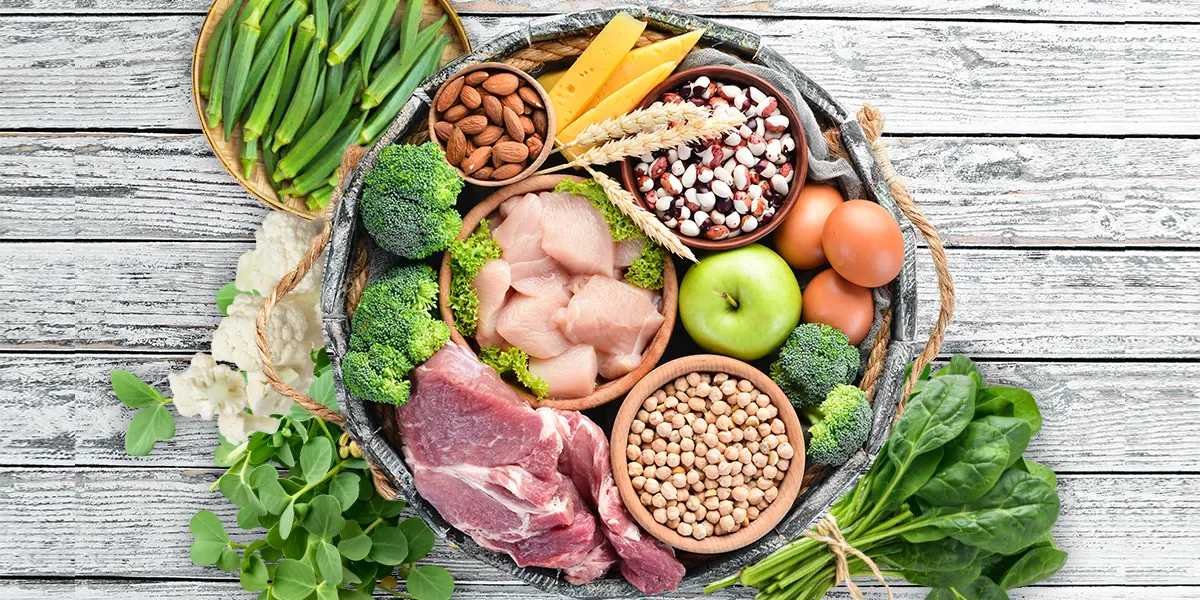
To effectively include lean meats and plant proteins in your fat loss diet, focus on choosing high-quality options like chicken breast, turkey, fish, beans, lentils, and tofu, and incorporate them into balanced meals. Prioritize portion control and pair proteins with plenty of vegetables and whole grains to stay full longer and support your weight loss goals.
Consuming lean meats and plant-based proteins can be a game-changer for your fat loss journey. They are low in unhealthy fats but rich in essential nutrients that help preserve muscle mass while shedding excess fat. By smartly integrating these proteins into your daily meals—whether grilled chicken, fish, or hearty lentil stews—you’ll stay satisfied and energized without sabotaging your progress. The key is to be mindful of portion sizes and combine proteins with fiber-rich foods to boost satiety and promote fat burning. This balanced approach not only supports weight loss but also improves overall health and well-being.

How to Use Lean Meats and Plant Proteins in Your Fat Loss Diet
Understanding the Role of Protein in Fat Loss
Protein is essential for preserving muscle mass while losing fat. It helps you feel full longer, reducing overeating and cravings. Incorporating lean meats and plant proteins ensures you get enough quality protein every day.
Choosing the Right Lean Meats for Fat Loss
Lean meats are meats with minimal fat content. Examples include chicken breast, turkey, lean cuts of beef, and pork tenderloin. These meats provide high-quality protein without excess saturated fat, making them ideal for weight loss.
Benefits of Lean Meats
- High protein content supports muscle retention
- Low in saturated fat helps reduce calorie intake
- Rich in essential nutrients like iron and B vitamins
Opt for grilling, baking, or steaming to keep meats healthy.
Incorporating Plant Proteins into Your Diet
Plant proteins come from sources like beans, lentils, tofu, tempeh, and quinoa. They are excellent alternatives or complements to animal proteins, especially for vegetarians or those seeking variety.
Advantages of Plant Proteins
- High in fiber, which promotes fullness and digestion
- Lower in saturated fat and calories
- Rich in antioxidants and phytochemicals that support health
Use plant proteins in salads, stews, or as main dishes to add diversity.
Meal Planning Tips for Combining Lean Meats and Plant Proteins
Creating balanced meals is key to effective fat loss. Combine lean meats and plant proteins with vegetables and whole grains for a nutrient-dense plate.
Sample Meal Ideas
- Grilled chicken with roasted vegetables and quinoa
- Turkey stir-fry with broccoli and brown rice
- Lentil soup with a side of lean beef strips
- Tofu and vegetable scramble with whole wheat toast
Aim for a variety of protein sources throughout the week.
Portion Control and Building a Protein-Rich Plate
Managing portion sizes prevents overeating. A good rule of thumb is to fill half your plate with vegetables, one-quarter with lean meats or plant proteins, and the remaining quarter with whole grains.
Sample Portion Sizes
- Lean meat or plant protein: 3 to 4 ounces (about the size of your palm)
- Vegetables: fill half your plate
- Whole grains: 1/2 to 1 cup cooked
Using measuring cups or a food scale can help maintain proper portions.
Cooking Techniques That Support Fat Loss
Healthy cooking methods preserve nutrients and reduce added fats. Opt for grilling, baking, steaming, or sautéing with minimal oil.
Tips for Healthy Protein Preparation
- Avoid frying in large amounts of oil or butter
- Use herbs, spices, and lemon juice for flavor instead of high-calorie sauces
- Remove visible fat from meats before cooking
These techniques help keep your meals nutritious and calorie-controlled.
Meal Timing and Protein Distribution
Distributing protein evenly across meals helps maintain satiety and supports muscle repair. Aim for 20-30 grams of protein per meal, depending on your needs.
Strategies for Effective Protein Intake
- Include a source of lean meat or plant protein in every meal
- Snack on high-protein options like Greek yogurt, nuts, or boiled eggs
- Plan your meals ahead to avoid skipping or overeating
Consistent intake prevents hunger spikes and maintains energy levels.
Supplementing with Protein Powders
Protein powders like whey, casein, or plant-based options can help reach your daily goals. Use them in smoothies or shakes for quick, convenient protein boosts.
Choosing the Right Protein Powder
- Choose powders with minimal added sugars and artificial ingredients
- Opt for plant-based options if you are vegetarian or vegan
- Adjust serving sizes based on your dietary needs
Supplements should complement a balanced diet, not replace whole foods.
Addressing Common Challenges
Some find it difficult to incorporate enough lean meats and plant proteins. Planning ahead and experimenting with new recipes can make it easier.
Tips to Overcome Barriers
- Prepare meals in advance to avoid last-minute temptations
- Try different seasonings to keep meals interesting
- Explore ethnic cuisines that feature lean proteins naturally
Consistency is key for sustainable fat loss results.
Monitoring Your Progress and Adjusting Your Diet
Track your meals and body changes to see what works best. Adjust portion sizes or protein sources as needed to continue making progress.
Tools for Tracking
- Food diaries or apps
- Progress photos and measurements
- Regular weigh-ins (once a week)
Stay patient and make gradual changes for long-term success.
Additional Tips for a Successful Fat Loss Strategy
In addition to incorporating lean meats and plant proteins, focus on overall lifestyle habits. Stay active, hydrate well, and get enough sleep.
Incorporating Lifestyle Habits
- Engage in regular physical activity, including strength training
- Drink plenty of water throughout the day
- Prioritize quality sleep to support metabolism
These habits complement your diet and enhance fat loss efforts.
Summary
Using lean meats and plant proteins effectively can significantly boost your fat loss journey. By choosing the right sources, controlling portions, and preparing meals healthily, you can enjoy a satisfying, nutrient-rich diet. Consistent habits and mindful planning will ultimately lead to lasting results and better health.
What I Eat In A Day | How I Get 130 grams of protein for healthy weight loss.
Frequently Asked Questions
How can I incorporate lean meats into my daily meal plan for fat loss?
Include lean meats such as chicken breast, turkey, and lean cuts of beef in your meals by grilling, baking, or steaming them. Pair these with vegetables and whole grains to create balanced, satisfying dishes. Planning your portions ahead of time ensures you stay within your calorie goals while enjoying the nutritional benefits of lean proteins.
What are some plant-based protein options that support fat loss efforts?
Opt for plant-based proteins like lentils, chickpeas, black beans, tofu, and tempeh. Incorporate these into salads, stir-fries, and soups to add variety and nutrients. These options are generally lower in calories and high in fiber, which helps promote fullness and reduces overall calorie intake.
How should I balance lean meats and plant proteins throughout the week?
Create a meal schedule that includes a mix of lean meats and plant proteins to diversify your nutrient intake. For example, use lean meats in quick lunches or dinners and include plant proteins in vegetarian meals or as side dishes. This approach helps maintain muscle mass and supports fat loss without getting monotonous.
Are there specific cooking methods that maximize the benefits of lean meats and plant proteins?
Choose cooking methods that require minimal added fats, such as grilling, baking, steaming, or poaching. These techniques preserve the protein’s nutrients without adding unnecessary calories. Avoid frying or using heavy sauces, which can increase calorie content and hinder fat loss efforts.
How can I ensure I get enough protein from lean meats and plant sources while reducing calorie intake?
Prioritize high-protein, low-fat cuts of meat and combine them with fiber-rich plant proteins. Incorporate a variety of sources to meet your daily protein needs efficiently. Monitoring portion sizes and choosing nutrient-dense options helps support fat loss goals without sacrificing essential nutrients.
Final Thoughts
To sum up, incorporating lean meats and plant proteins in your fat loss diet offers vital benefits. They provide essential nutrients while helping you stay full longer. Use lean meats like chicken and turkey to add variety without excess fat. Include plant-based options like beans, lentils, and tofu for plant protein intake. How to use lean meats and plant proteins in your fat loss diet effectively ensures balanced nutrition and supports your goals. Prioritize these foods in your meals to stay on track and maintain energy levels.
As an Amazon Associate, We earn from qualifying purchases. When you purchase a product through Amazon links on pulsefitguide.com, we may earn a small commission at no extra cost to you. This helps support the site and keep our content free.