

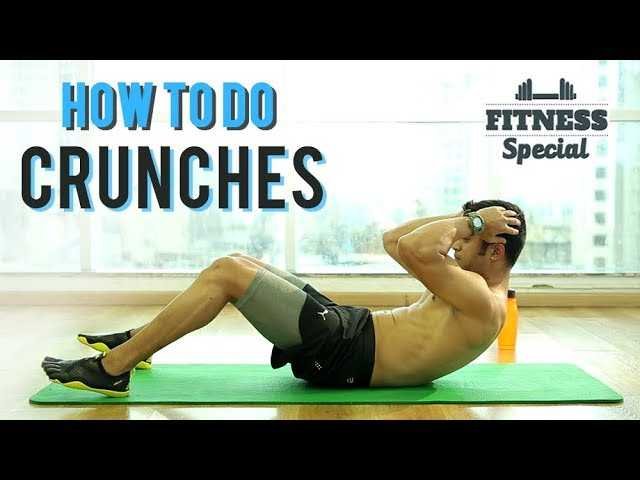
To maximize your crunches, start by lying on your back with knees bent and feet flat on the floor. Engage your core and lift your shoulders off the ground, then slowly lower back down. Focus on controlled movements and proper breathing to get the best results.
Crunches are one of the simplest yet most effective exercises to target your abdominal muscles. To get started, lie flat on your back, bend your knees, and place your hands behind your head or across your chest. As you exhale, lift your upper body toward your knees, squeezing your abs at the top. Slowly lower back down as you inhale. Remember, quality over quantity is key—avoid pulling on your neck or using momentum. Incorporate this exercise into your routine consistently, and you’ll see improvements in core strength and posture over time. It’s easy to do anywhere and can be adapted to suit all fitness levels.

How to Use Crunches Exercise Effectively for a Stronger Core
Understanding the Basics of Crunches
Crunches are a classic abdominal exercise that focus on strengthening the muscles in your stomach area. They are simple to do and require no equipment, making them accessible for everyone. Proper technique is essential to get the most benefit and avoid injury.
Proper Body Positioning for Crunches
Start by lying flat on your back with your knees bent and feet flat on the floor. Keep your hands behind your head or crossed over your chest. Maintain a neutral neck position and avoid pulling on your neck during the exercise. Your lower back should stay in contact with the ground throughout.
Executing Correct Crunches Technique
To perform a crunch:
- Engage your core muscles by tightening your abdominal area.
- Lift your shoulders off the ground by contracting your abdominal muscles, not pulling with your neck or arms.
- Exhale as you crunch upward, aiming to lift your upper back away from the floor.
- Pause briefly at the top of the movement.
- Slowly lower your shoulders back down, inhaling as you descend.
Focus on controlled movements rather than speed, which enhances muscle activation and reduces strain.
Common Mistakes to Avoid During Crunches
Many beginners make errors that lessen the effectiveness of crunches or cause discomfort:
- Pulling on the neck: This can lead to neck strain. Instead, use your abdominal muscles to lift.
- Using momentum: Swinging your upper body up reduces muscle engagement. Perform slow, deliberate movements.
- Overextending the back: Arching your back can lead to injury. Keep your lower back pressed against the ground.
- Holding your breath: Breathe consistently to supply oxygen to your muscles and maintain stability.
Integrating Crunches Into Your Fitness Routine
To maximize benefits, include crunches as part of a balanced workout plan. Combine them with exercises targeting other core muscles, such as planks or leg raises. Aim to do them 3 to 4 times per week, with 2-3 sets of 15–20 repetitions each.
Variations of Crunches for Better Results
Adding variety keeps workouts engaging and prevents plateaus. Consider the following types of crunches:
Traditional Crunches
Standard movement focusing on upper abdominal muscles.
Reverse Crunches
Lift hips off the ground to target your lower abs.
Oblique Crunches
Twist slightly to engage your side abdominal muscles.
Bicycle Crunches
Alternate elbows to knees in a pedaling motion for comprehensive core engagement.
V-Ups
Combine legs and upper body to work the entire core in one movement.
Incorporating Breathing Techniques
Proper breathing enhances core stability and muscle engagement. Exhale sharply when lifting your shoulders and inhale as you lower back down. This rhythm supports controlled movements and maximizes effectiveness.
Using Additional Equipment for Crunch Variations
While traditional crunches require no equipment, adding tools can diversify your workout:
- Mat: Provides cushioning for your back during exercises.
- Stability Ball: Increases instability, engaging more muscles for core stabilization.
- Resistance Bands: Add resistance for more challenge in crunch movements.
Understanding the Role of Nutrition and Rest
Crunches alone don’t reduce belly fat; a balanced diet is equally important. Include plenty of vegetables, lean proteins, and whole grains. Rest days allow muscles to recover and grow stronger, avoiding overtraining injuries.
Safety Tips for Effective Crunches
Prioritize safety to prevent strains:
- Warm up before starting your workout.
- Maintain proper posture throughout.
- Start with lower repetitions and gradually increase.
- Listen to your body and stop if you experience pain.
Monitoring Your Progress
Track your repetitions, sets, and how you feel during workouts. Gradually increase intensity by adding reps, sets, or variations. Consistency leads to noticeable improvements over time.
Complementary Exercises for a Balanced Core
Combine crunches with other core exercises to strengthen the overall abdominal area:
- Planks: Engage deep core muscles.
- Leg Raises: Focus on lower abs.
- Russian Twists: Target obliques.
- Mountain Climbers: Combine cardio with core work.
Learning how to use crunches exercises properly can significantly improve your core strength and stability. Focus on correct form, incorporate variations, and combine them with a holistic fitness approach. With consistency and attention to technique, you will develop a stronger, more toned abdominal area. Remember, patience and persistence are key to seeing long-term results.
Crunches Tips #abworkout #abs #sixpackabs #fitness
Frequently Asked Questions
What are some common mistakes to avoid when performing crunches?
When doing crunches, ensure you do not pull on your neck with your hands, which can cause strain. Keep your lower back pressed against the floor to prevent arching. Avoid using momentum; instead, engage your core muscles steadily to get the most benefit from each repetition. Additionally, do not overextend your neck or shoulders to prevent discomfort or injury.
How can I modify crunches for beginners or those with limited flexibility?
Beginners can start with fewer repetitions and focus on proper form. To make crunches easier, place your hands behind your head without pulling on your neck or cross your arms over your chest. You can also perform crunches with your feet flat on the floor and knees bent, or try seated crunch variations that reduce strain. Gradually increase intensity as your core strength improves.
How should I breathe during crunches to maximize effectiveness?
Inhale as you lower your upper body back to the starting position, and exhale as you lift your shoulders off the ground during the crunch. Proper breathing helps maintain core engagement and provides the necessary oxygen to your muscles, enhancing performance and reducing fatigue. Avoid holding your breath at any point during the exercise.
What are some ways to incorporate crunches into my overall fitness routine?
You can include crunches as part of a core-centered workout by doing them alongside other abdominal exercises like planks and leg raises. Schedule them 3 to 4 times a week, gradually increasing repetitions and sets. Combine crunches with cardio and strength training to create a balanced fitness plan that improves core stability and overall health.
Are there specific techniques to maximize the benefits of crunches?
Focus on controlled movements rather than speed to target your abdominal muscles effectively. Engage your core throughout each repetition and avoid using momentum. Keep your neck relaxed and avoid tucking your chin excessively. Including variations like bicycle crunches or oblique crunches can also target different parts of your core for a comprehensive workout.
Final Thoughts
To use crunches exercise effectively, start by lying on your back with knees bent and hands behind your head. Engage your core and lift your shoulders off the ground, then lower back down. Maintain controlled movements to avoid strain. Consistency and proper technique are key to seeing results from this exercise.
As an Amazon Associate, We earn from qualifying purchases. When you purchase a product through Amazon links on pulsefitguide.com, we may earn a small commission at no extra cost to you. This helps support the site and keep our content free.