

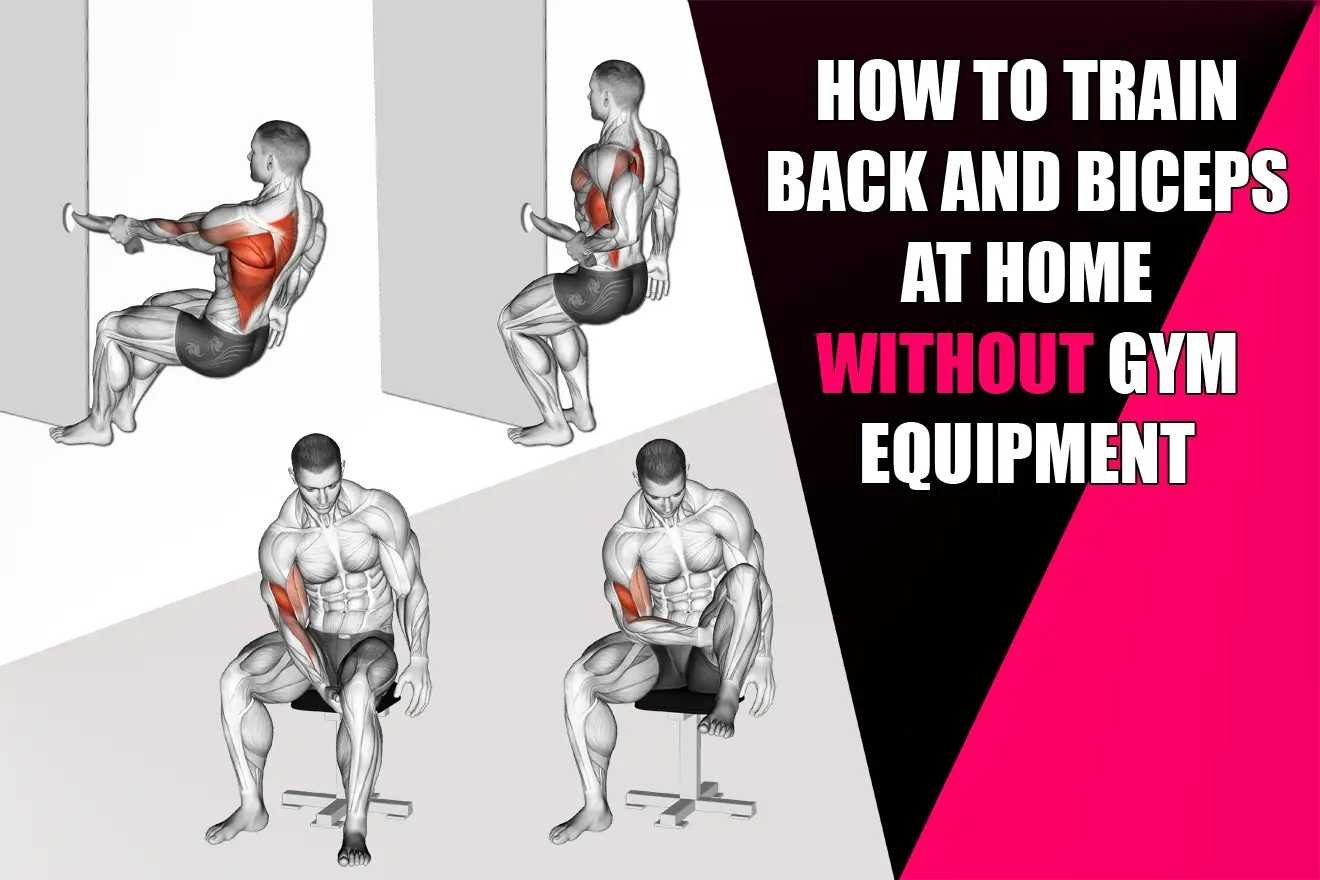
Looking to stay fit but don’t have access to gym equipment? You’re in luck! Training without equipment is not only possible but can be highly effective with the right exercises and a little bit of creativity. You can use your body weight to build strength, improve endurance, and boost flexibility—all from the comfort of your home or anywhere else.
To train without equipment, focus on bodyweight exercises like push-ups, squats, lunges, and planks. Incorporate high-intensity interval training (HIIT) routines and use everyday items as makeshift weights to add variety. Consistency and proper form are key to maximizing your results without any gear.
You don’t need fancy machines or weights to stay active; your body itself is a powerful tool for fitness. This approach is perfect for those with a busy schedule, limited space, or budget constraints, proving that effective training can be simple, accessible, and adaptable to any lifestyle.

How to Train Without Equipment: Your Complete Guide to Effective Bodyweight Workouts
Training without equipment might seem challenging at first, but it is entirely possible and can be very effective. Bodyweight exercises allow you to build strength, improve flexibility, and enhance cardiovascular health without needing any gym gear. Whether you are at home, traveling, or simply prefer minimal equipment, this guide will help you get started.
Understanding the Benefits of Equipment-Free Training
Training without equipment offers many advantages. It allows flexibility, as you can work out anytime and anywhere. You also use your body’s own weight to create resistance, which helps improve muscular endurance and stability. Plus, bodyweight exercises tend to be lower cost and reduce the risk of injuries linked to equipment misuse.
Key Principles for Effective Equipment-Free Workouts
Before jumping into exercises, keep these principles in mind. Focus on proper form to avoid injuries and maximize gains. Incorporate a mix of cardiovascular, strength, and flexibility exercises to create a balanced routine. Finally, progress gradually by increasing repetitions or intensity to avoid overtraining.
Getting Started: Creating Your Bodyweight Workout Routine
Start with setting clear goals, such as building muscle, burning fat, or increasing stamina. Then, plan workouts that cover different muscle groups and fitness components. Keep routines short but frequent for consistency and sustainable progress.
Effective Bodyweight Exercises for Every Muscle Group
Lower Body Exercises
Strengthening your legs and glutes is vital, and many effective exercises require no equipment. Here are some top options:
- Squats: Engage your thighs, hips, and buttocks with this fundamental move. Keep your feet shoulder-width apart and bend your knees as if sitting in a chair.
- Lunges: Step forward with one foot and lower your hips until both knees are at 90 degrees. Switch legs for balance.
- Glute Bridges: Lie on your back with knees bent and feet flat on the floor. Lift your hips towards the ceiling, squeezing your glutes at the top.
Upper Body Exercises
Build strength in your arms, shoulders, and chest with these bodyweight moves:
- Push-Ups: Keep your body straight and hands shoulder-width apart. Lower yourself until your chest nearly touches the ground and push back up.
- Tricep Dips (using a sturdy surface): Sit on the edge of a chair or bench, place hands behind you, and lower your body, focusing on your triceps.
- Handstand Hold (for advanced users): Practice balance by kicking into a handstand against a wall to improve shoulder and arm strength.
Core Exercises
A strong core helps with balance and overall stability. Try these exercises:
- Planks: Get into a push-up position, supporting your body on forearms and toes. Keep your body in a straight line.
- Russian Twists: Sit on the floor, lean back slightly, and twist your torso side to side, touching the floor on each side.
- Leg Raises: Lie flat and lift your legs towards the ceiling without bending your knees, then lower slowly.
Incorporating Cardiovascular Workouts
Cardio helps boost endurance and burn calories. Without equipment, you can perform exercises like jumping jacks, high knees, or mountain climbers. These routines can be combined into circuit training to keep your heart rate elevated.
Sample Cardio Circuit
| Exercise | Duration |
|---|---|
| Jumping Jacks | 30 seconds |
| High Knees | 30 seconds |
| Mountain Climbers | 30 seconds |
| Rest | 15 seconds |
Designing a Full-Body Workout Plan
Create workouts that combine strength, cardio, and flexibility moves. For example, a routine might include squats, push-ups, planks, and jumping jacks in a circuit. Aim for 20 to 30 minutes, with 2 to 3 sessions per week for optimal results.
Progressing with Bodyweight Exercises
Progression ensures continued improvement. Increase repetitions, decrease rest time, or add variations to challenge your muscles. For example, move from knee push-ups to standard push-ups, or add pause holds during planks.
Adding Variations for Engagement and Challenge
Keep workouts interesting by trying different exercise variations. Use tempo changes, such as slow push-ups or explosive jumps, to increase intensity. Incorporate unilateral exercises like single-leg squats to improve balance and strength asymmetries.
Balancing Flexibility and Mobility
Flexibility exercises prevent injury and improve movement quality. Incorporate stretching routines focusing on hamstrings, quads, shoulders, and hips. Dynamic stretches like leg swings or arm circles warm up muscles before workouts.
Staying Motivated and Consistent
Set small, achievable goals to maintain motivation. Track your progress with a workout journal or app. Find workout buddies or join online communities for support and accountability.
Additional Tips for Successful Equipment-Free Training
- Warm-up before workouts to prepare your muscles and reduce injury risk. Do jumping jacks or light jogging for 5 minutes.
- Cool down and stretch after exercise to promote recovery and flexibility.
- Maintain good hydration and nutrition to fuel your workouts and aid muscle recovery.
- Listen to your body and rest if you feel excessive fatigue or discomfort.
Related Topics to Enhance Your Fitness Journey
Explore variations such as yoga, Pilates, or calisthenics to diversify your routine. Combining these with bodyweight exercises offers a comprehensive approach to fitness.
Remember, training without equipment is a flexible and effective way to stay fit. With consistency and proper planning, you can achieve your fitness goals right at home or on the go. Embrace bodyweight workouts and enjoy the benefits of a healthier, stronger body.
Full Body Workout Without Equipment
Frequently Asked Questions
What are effective bodyweight exercises I can do at home without equipment?
You can perform exercises like push-ups, squats, lunges, planks, burpees, and mountain climbers. These moves target multiple muscle groups and require nothing but your body weight. Incorporate variations to keep your workouts challenging and engaging.
How can I create a balanced workout routine without using any equipment?
Design your routine by combining exercises that work different muscle groups, such as upper body, lower body, core, and cardio. For example, alternate between push-ups, bodyweight squats, planks, and jumping jacks. Adjust the number of sets and repetitions based on your fitness level and goals.
What are some tips to maximize workouts when training without any tools?
Focus on proper form and controlled movements to maximize muscle engagement. Increase repetitions or sets gradually to challenge yourself, and incorporate variety to avoid plateaus. Using tempo variations, such as slowing down during movements, can also enhance effectiveness.
How can I add intensity to bodyweight exercises without equipment?
Increase the difficulty by performing exercises at a faster pace, adding explosive movements like jump squats or plyometric push-ups, or reducing rest times between sets. You can also try one-legged versions of exercises to boost difficulty and challenge your stability.
Are there any specific routines for cardiovascular fitness without using any equipment?
Yes, you can perform high-intensity interval training (HIIT) using exercises like jumping jacks, burpees, high knees, and mountain climbers. Alternating between periods of intense effort and rest helps improve cardiovascular health and endurance without the need for equipment.
Final Thoughts
To sum up, training without equipment is entirely possible and effective. Focus on bodyweight exercises like push-ups, squats, and planks to target multiple muscle groups. Adjust your routines based on your goals and stay consistent. Remember, how to train without equipment depends on creativity and dedication to maintain progress.
As an Amazon Associate, We earn from qualifying purchases. When you purchase a product through Amazon links on pulsefitguide.com, we may earn a small commission at no extra cost to you. This helps support the site and keep our content free.