

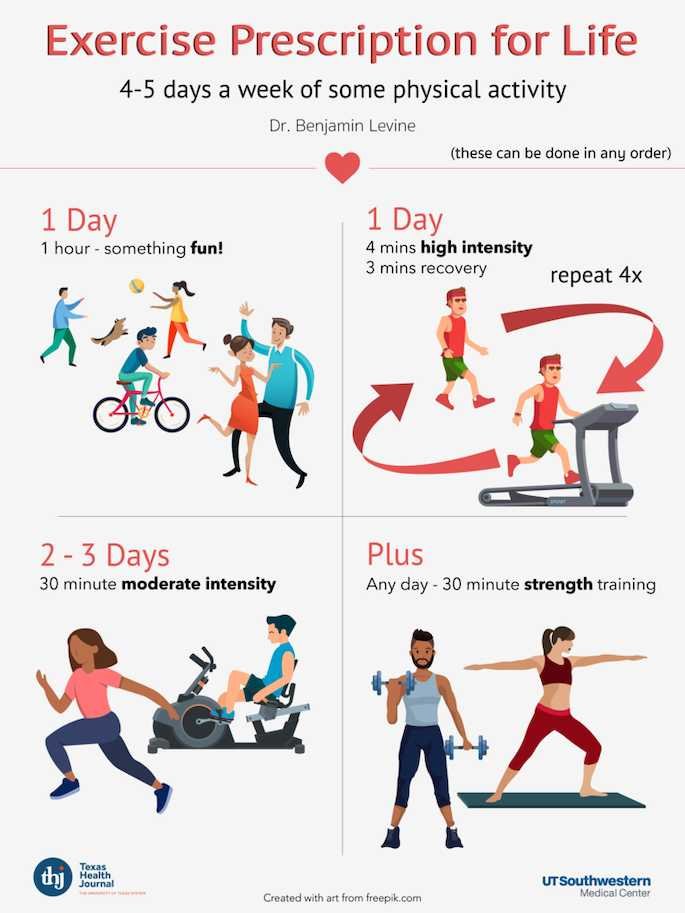
To train effectively for cardio, jump into a mix of consistent aerobic exercises like running, cycling, or swimming, and gradually increase your intensity and duration over time. Incorporate interval training and cross-training to boost your stamina and prevent boredom. Remember, consistency and progression are key to seeing results and building endurance.
Getting your heart pumping and improving your cardiovascular health doesn’t have to be complicated. The key is to stay active regularly, gradually challenge yourself with increased intensity, and mix up different types of workouts to keep things interesting. Whether you’re aiming to improve endurance, lose weight, or just feel more energetic, a well-rounded cardio training plan can help you reach your goals. The important part is to start where you are, stay committed, and listen to your body as you push yourself to new levels of fitness. With patience and dedication, the cardio gains will come!

How to Train for Cardio: The Complete Guide
Understanding Cardio Training and Its Benefits
Cardio training, also known as aerobic exercise, involves activities that increase your heart rate and breathing. These exercises help improve your heart health, boost stamina, and burn calories efficiently. Regular cardio workouts can also boost your mood and increase your energy levels throughout the day.
Types of Cardio Exercises You Can Do
There are many forms of cardio, and choosing the right one depends on your preferences and fitness level. Common options include:
- Walking: Easy and low-impact, perfect for beginners.
- Running or Jogging: Intense and great for building endurance.
- Cycling: Gentle on joints, whether on a stationary bike or outside.
- Jump Rope: Excellent for quick, high-intensity sessions.
- Swimming: Full-body workout, low-impact exercise ideal for all ages.
Setting Realistic Goals for Cardio Training
Before starting, define clear and achievable goals. Are you aiming to lose weight, improve heart health, or increase stamina? Setting SMART goals — Specific, Measurable, Achievable, Relevant, and Time-bound — helps keep you focused. For example, plan to walk 30 minutes three times a week for the next month.
How Often Should You Do Cardio?
The American Heart Association recommends at least 150 minutes of moderate-intensity or 75 minutes of vigorous-intensity cardio weekly. You can spread this out over several days. For beginners, starting with shorter sessions, such as 10 to 15 minutes, and gradually increasing duration is ideal.
Creating an Effective Cardio Workout Plan
A well-rounded plan includes warm-up, main workout, and cool-down phases. Warm-up routines prepare your muscles and prevent injuries. During the main workout, aim for a mix of moderate and high-intensity intervals. Cooling down helps your heart rate return to normal and reduces muscle stiffness.
Sample Weekly Cardio Schedule
| Day | Activity | Duration | Intensity |
|---|---|---|---|
| Monday | Brisk Walking | 30 minutes | Moderate |
| Wednesday | Running or Jogging | 20 minutes | Vigorous |
| Friday | Cycling | 40 minutes | Moderate |
| Sunday | Swimming | 30 minutes | Moderate |
Incorporating Interval Training for Better Results
Interval training alternates between high and low-intensity exercise, maximizing calorie burn and cardiovascular benefits. For example, sprint for 30 seconds, then walk for 1 minute, repeating this cycle several times. This method boosts endurance and can make workouts more engaging.
Monitoring Heart Rate During Cardio
Tracking your heart rate helps ensure you exercise within your target zone. Calculate your maximum heart rate by subtracting your age from 220. For moderate intensity, aim for 50-70% of this number; for vigorous intensity, target 70-85%. Using a heart rate monitor simplifies this process.
Safety Tips for Cardio Training
Always warm up before starting your session and cool down afterward. Stay hydrated and wear appropriate gear, such as supportive shoes. Listen to your body — if you feel dizzy, chest pain, or extreme fatigue, stop exercising immediately. Regularly check with a healthcare professional, especially if you have pre-existing health conditions.
Progression and Adaptation in Your Cardio Routine
Start with exercises that match your current fitness level and gradually increase intensity and duration. As your endurance improves, add more challenging activities or extend workout times. Keep track of your progress to stay motivated and see results over time.
Using Technology and Apps to Support Your Cardio Training
Many fitness apps help plan, track, and analyze your workouts. Devices like fitness trackers and smartwatches monitor heart rate and calories burned, providing valuable feedback. These tools can motivate you to stay consistent and push toward your goals.
Examples of Progressive Cardio Program
Begin with 15-minute sessions three times a week, focusing on low-impact activities like walking. After two weeks, increase session length to 20 minutes and introduce higher intensity intervals. Within a month, aim for 30-minute sessions and include varied exercises to prevent plateaus.
Addressing Common Challenges in Cardio Training
Many beginners face motivation issues or boredom. To stay motivated, try listening to music or exercising with friends. If injuries or fatigue occur, reduce intensity or switch to low-impact activities like swimming or cycling. Consistency is key to seeing benefits.
Integrating Strength Training with Cardio
Combining strength and cardio workouts improves overall fitness and accelerates weight loss. Consider doing bodyweight exercises after cardio or alternating days between the two to maximize results. This balanced approach reduces injury risk and enhances endurance.
Nutrition and Hydration for Cardio Performance
Fuel your body with a balanced diet rich in carbohydrates, proteins, and healthy fats. Hydrate before, during, and after workouts to maintain energy levels and prevent dehydration. Proper nutrition supports recovery and enhances performance.
Recovery and Rest Days
Allow your body to recover by scheduling rest days or light activity days, such as stretching or yoga. Rest helps prevent overtraining, reduces injury risk, and ensures continual progress. Listen to your body and adjust your plan accordingly.
Tracking Your Progress and Celebrating Achievements
Keep a workout journal or use apps to log sessions, distances, and how you felt. Celebrate milestones like completing a weekly goal or running your first 5K. Recognizing progress boosts motivation and keeps you committed.
Related Topics to Explore
- Best shoes for cardio workouts
- How to prevent injuries during cardio
- Cardio routines for weight loss
- Benefits of outdoor versus indoor cardio
- Tips for exercising in hot or cold weather
Regularly adjusting your routine, staying consistent, and listening to your body can make cardio training both enjoyable and effective. As you improve, you’ll notice increased stamina, better health, and a more energized life.
How to train your cardiovascular fitness | Peter Attia
Frequently Asked Questions
What are effective ways to gradually increase cardio endurance?
Start by incorporating moderate-intensity workouts, such as brisk walking or cycling, for about 20-30 minutes, three to four times a week. Gradually add more time or increase your pace as your stamina improves. Incorporate interval training by alternating between high and low intensities to challenge your cardiovascular system. Consistently tracking your progress helps you stay motivated and identify when to push further. Ensure you allow adequate rest and recovery to prevent injury and promote endurance building.
How can I incorporate variety into my cardio routine to stay motivated?
Mix different activities like running, swimming, cycling, rowing, or dance classes to keep your routine engaging. Changing your workouts prevents boredom and reduces the risk of overuse injuries. Set small, achievable goals for each activity to maintain focus and motivation. Consider working out with a partner or joining a group class to add social support. Regularly updating your playlist or workout environment can also boost enjoyment and commitment.
What are some mistakes to avoid when training for cardio fitness?
Avoid jumping into high-intensity workouts without proper preparation, as this can lead to injury or burnout. Do not neglect warming up before and cooling down after your sessions to prevent muscle strain. Overtraining without adequate rest can hinder progress and increase fatigue. Be cautious about maintaining proper form during exercises to prevent injuries. Also, listen to your body; if you experience pain or extreme discomfort, reduce intensity or take a break to recover properly.
Final Thoughts
To train for cardio effectively, start with consistent aerobic exercises like running, cycling, or swimming. Gradually increase intensity and duration to build endurance and prevent injury. Incorporate interval training to boost stamina and burn calories efficiently. Remember, regular commitment and variation keep your routine engaging and fruitful.
As an Amazon Associate, We earn from qualifying purchases. When you purchase a product through Amazon links on pulsefitguide.com, we may earn a small commission at no extra cost to you. This helps support the site and keep our content free.