

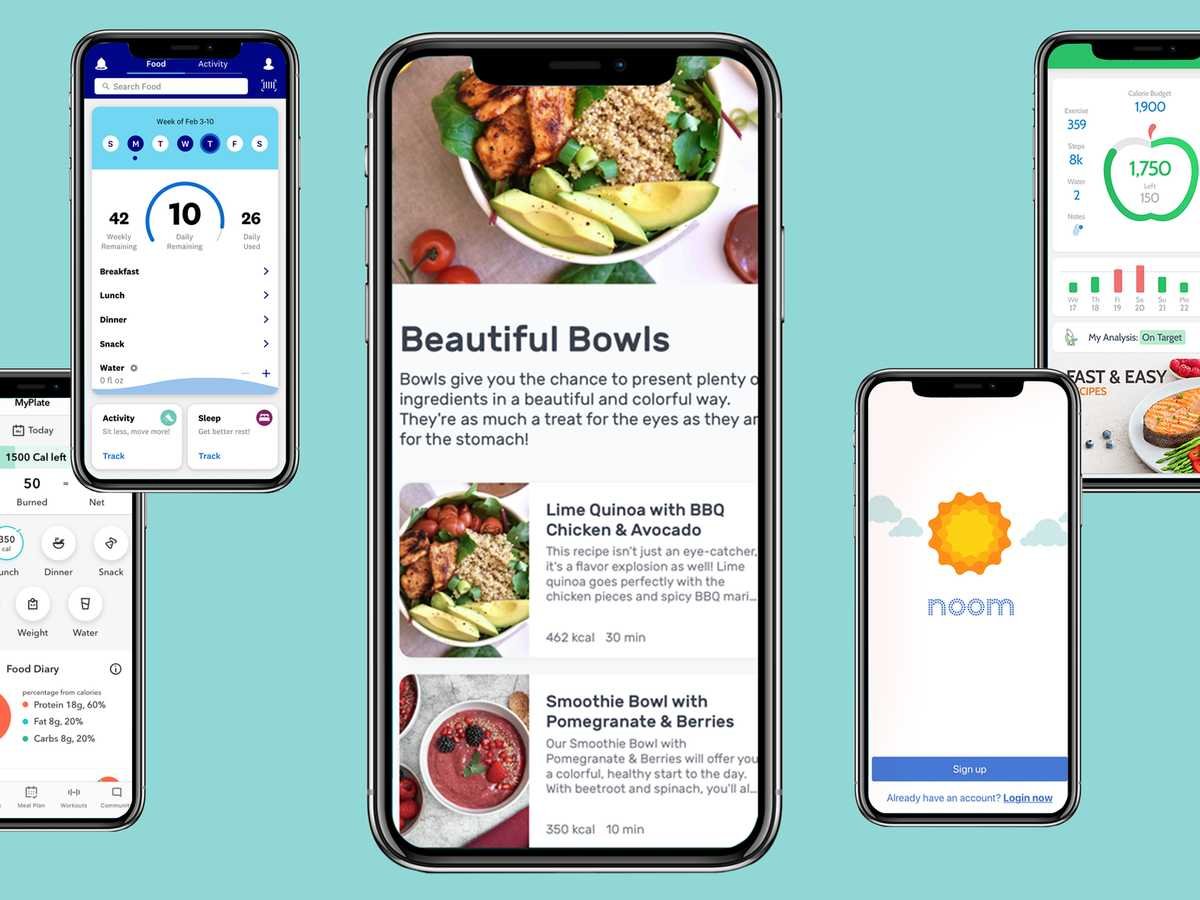
To keep tabs on what you eat, using simple apps or just a journal can make a huge difference. Tracking your food intake helps you understand your eating habits, stay on top of your health goals, and make better choices. Whether you prefer a straightforward app or a trusty notebook, there are easy ways to monitor calories, nutrients, and portions without hassle. The key is consistency—spending just a few minutes daily to log your meals can lead to big results over time. In this guide, you’ll learn quick, effective methods to track your food intake effortlessly, so you stay motivated and informed on your wellness journey.
**Short summary:** Using simple apps or journals can effectively help you monitor your food intake by making the process quick and easy. Regular tracking allows you to better understand your eating habits and stay aligned with your health goals.
Tracking your food intake doesn’t have to be complicated or time-consuming. The easiest way is to choose a user-friendly app or keep a daily journal that fits your lifestyle. Set a reminder to log your meals, focus on portion sizes, and note down how you feel after eating. This habit not only increases awareness but also helps you identify patterns, avoid overeating, and make informed decisions about your diet. Whether you opt for digital tools or pen and paper, the key is to stay consistent and honest with yourself. With a little effort every day, you’ll gain valuable insights into your eating habits and stay motivated to achieve your health goals.

How to track your food intake using simple apps or journals
Keeping tabs on what you eat is an important step toward healthier eating habits. Using simple apps or journals can make this process easy and even fun. In this guide, we will look at straightforward ways to track your food intake effectively.
Why tracking your food intake matters
Tracking helps you understand your eating patterns and identify areas for improvement. It can also support weight management, improve nutrient intake, and boost overall health. When you see what you eat each day, it becomes easier to make better choices.
Choosing the right method: apps or journals?
Both apps and paper journals have their benefits. Apps are quick to use, come with built-in databases, and can offer insights automatically. Journals, on the other hand, require no technology and give you freedom to write more detail if needed.
Advantages of using apps
- Fast and easy to log food entries
- Automatic calorie and nutrient calculations
- Easy to track over time with graphs and stats
- Built-in barcode scanners for packaged foods
Advantages of keeping a journal
- No need for internet or devices
- Allows more detailed descriptions and thoughts
- Much cheaper — just paper and pen needed
- Enables personalized tracking beyond calories
How to start tracking your food intake with an app
Step 1: Choose an easy-to-use app
Pick an app that fits your needs and comfort level. Popular options include MyFitnessPal, Lose It!, and Cronometer. Look for one with a simple interface and a large food database.
Step 2: Set your goals
Enter your daily goals such as calorie intake, macronutrient distribution, or specific nutrients. This helps the app give you tailored feedback and progress updates.
Step 3: Log your food
Record each meal or snack right after eating. Use the barcode scanner for packaged foods or search the database for homemade meals. Be accurate with portion sizes to get correct data.
Step 4: Review your daily intake
Check your summaries at the end of each day to see if you met your goals. Most apps provide visual charts and reports to help you interpret your data.
Step 5: Adjust your habits
Use the insights to make smarter choices. Add more vegetables, cut back on sugary snacks, or increase your protein intake based on your tracking results.
How to track your food intake with a journal
Step 1: Gather your tools
All you need is a notebook or a dedicated food journal, and a pen. Choose a format that you find easy to write in — lined pages work well for neatness.
Step 2: Create a tracking template
Design a simple table with columns such as date, meal time, food description, portion size, and notes. This helps you stay organized and consistent.
Step 3: Record your meals accurately
Write down everything you eat or drink, including snacks and small bites. Be specific about portion sizes, using common measurements or comparisons.
Step 4: Reflect on your entries
At the end of each day or week, review your journal. Look for patterns such as frequent snacking or missed meals. This can inform future adjustments.
Step 5: Set goals and track progress
Use your journal to set targets, like increasing fiber intake or reducing fried foods. Write notes on how you feel after different foods to understand your body’s reactions.
Tips for effective food tracking
Be consistent
Make tracking a daily habit. The sooner you log your food after eating, the more accurate your data will be.
Keep it simple
Don’t overcomplicate. Use quick entries and focus on key nutrients or calories if detailed tracking feels overwhelming.
Use visual aids
Photos of meals or portion guides can help you estimate better. Some apps allow photo uploads; journals can include sketches or diagrams.
Set reminders
Use alarms or app notifications to prompt you to log your food. Consistent reminders prevent missed entries.
Reflect and adjust
Periodically review your logs or app reports. Use this insight to weather any changes needed in your eating habits.
Incorporating tracking into your daily routine
Pick a specific time each day
Log your food either immediately after eating or at a set time, like after dinner. Consistency helps form a habit.
Make it easy
Keep your journal accessible or install your app on your phone. Ease increases the likelihood of sticking with tracking.
Stay motivated with small rewards
Set benchmarks, like tracking for a week, and reward yourself with something enjoyable or relaxing. This encourages ongoing commitment.
Additional tools to enhance your food tracking
- Portion size references such as measuring cups or food scales
- Recipe calculators to estimate nutrient content of homemade meals
- Food diaries with prompts for hunger levels or emotions
Related topics for better health and wellness
- Meal planning strategies to complement food tracking
- Understanding food labels to make better choices
- The importance of hydration alongside food intake
- Tips for mindful eating to enhance your tracking efforts
Tracking your food intake with simple apps or journals can be a straightforward process that yields valuable insights. Whether you prefer a digital approach or a paper method, staying consistent and honest in your recordings supports healthier habits. Use the data to make informed decisions, and remember that progress builds gradually. Happy tracking!
How To Track Your Calories & Tips For Beginners
Frequently Asked Questions
What are the key features to look for in a food tracking app or journal?
When choosing a food tracking app or journal, focus on features like an extensive food database, easy entry options, barcode scanning, customizable notes, and the ability to track calories and nutrients. These features help you monitor your intake accurately and make adjustments as needed throughout the day.
How can I ensure consistency in recording my food intake every day?
Create a routine by logging your meals immediately after eating or setting specific times for recording. Use reminders or notifications on your device to prompt you to update your journal or app regularly. Consistency improves the accuracy of your tracking and provides better insights over time.
What are some simple methods to categorize my food entries effectively?
You can categorize your food entries by meal type (breakfast, lunch, dinner, snacks) or by food groups (fruits, vegetables, proteins, grains). Using tags or color codes within your app or journal helps you identify patterns in your eating habits and makes reviewing your intake easier.
How do I handle foods that are difficult to estimate portion sizes for?
Use common household measurements like cups, tablespoons, or pieces to estimate portions. Keep a set of measuring cups or a kitchen scale handy for more accuracy. Many apps also include visual portion guides that help you compare your servings with standard sizes for better estimation.
What strategies can help me stay motivated to keep tracking my food intake?
Set clear goals and track your progress regularly to see how your habits improve over time. Celebrate small milestones and reflect on how the data helps you make healthier choices. Additionally, try to keep the process simple and quick to prevent it from becoming a burdensome task.
Final Thoughts
Tracking your food intake using simple apps or journals helps you stay aware of your eating habits. Choose an easy-to-use app or a dedicated journal that fits your routine. Record meals promptly to maintain accuracy and consistency. Regular tracking encourages mindful eating and supports your health goals effectively.
As an Amazon Associate, We earn from qualifying purchases. When you purchase a product through Amazon links on pulsefitguide.com, we may earn a small commission at no extra cost to you. This helps support the site and keep our content free.